In a major administrative development, the Crime Investigation Department (CID) has arrested L Khiangte, the former Chairman of the Jharkhand Public Service Commission (JPSC). The arrest follows allegations surrounding irregularities in the 14th Civil Services Examination, placing significant scrutiny on the operational oversight of recruitment bodies and the broader jharkhand government administration.
The arrest marks an intense phase in an ongoing investigation into competitive exam malpractices in the state. With thousands of candidates taking to the streets to demand fairness, transparency, and structural reforms, this case has become a focal point of public policy and political debate across Jharkhand.
The Arrest of L Khiangte: Investigation & Key Charges
L Khiangte, who previously served as the Chief Secretary of Jharkhand before taking over the leadership of the JPSC, resigned from his position as chairman on July 22, 2026. At the time of his resignation, Khiangte stated that stepping down was essential to maintain the integrity of the ongoing inquiry and ensure an unbiased investigation into the examination process.
Prior to his formal arrest, state CID officials subjected the former chairman to multiple rounds of rigorous questioning lasting several hours. The primary thrust of the investigation centers on administrative decisions made during the 14th Civil Services Examination—specifically, how and why an agency named TDPL was empanelled to manage core examination processes despite having been previously blacklisted.
Investigators are focusing on procedural lapses, potential conflicts of interest, and the decision-making pipeline that allowed an empanelled entity with a compromised track record to handle high-stakes examination materials.
Read Also: Datia Election Result 2026 Live Updates: BJP & Congress Battle in High-Stakes MP By-Election
Escalating Aspirant Protests and Street Agitation
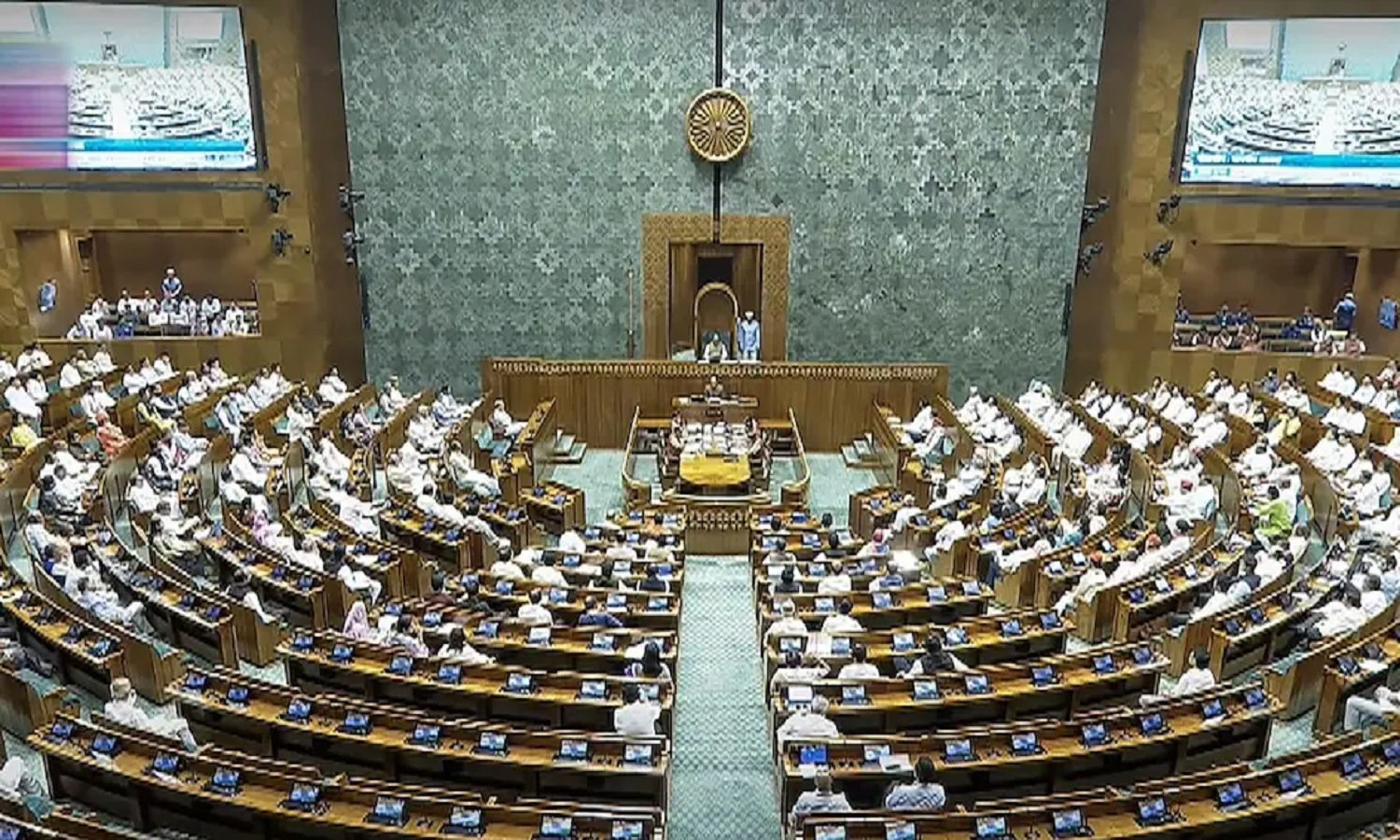
The legal action against the former JPSC chief comes against the backdrop of widespread public unrest. Job aspirants across key educational and administrative hubs—including Ranchi, Hazaribagh, Dhanbad, and Bokaro—have staged sustained demonstrations protesting exam irregularities.
Candidate grievances extend across multiple examinations, including the JSSC CGL and JPSC tests, where allegations range from question paper leaks to OMR sheet manipulation during the evaluation stage.
Major Developments from Recent Assembly Demonstrations
- Barricade Breaches & Security Response: During a massive march organized from the Old Assembly towards the New Assembly in Ranchi, protesting candidates broke through multiple police checkpoints. Security personnel deployed water cannons and subsequently resorted to a lathicharge to prevent protesters from approaching the legislative premises, resulting in injuries to several candidates.
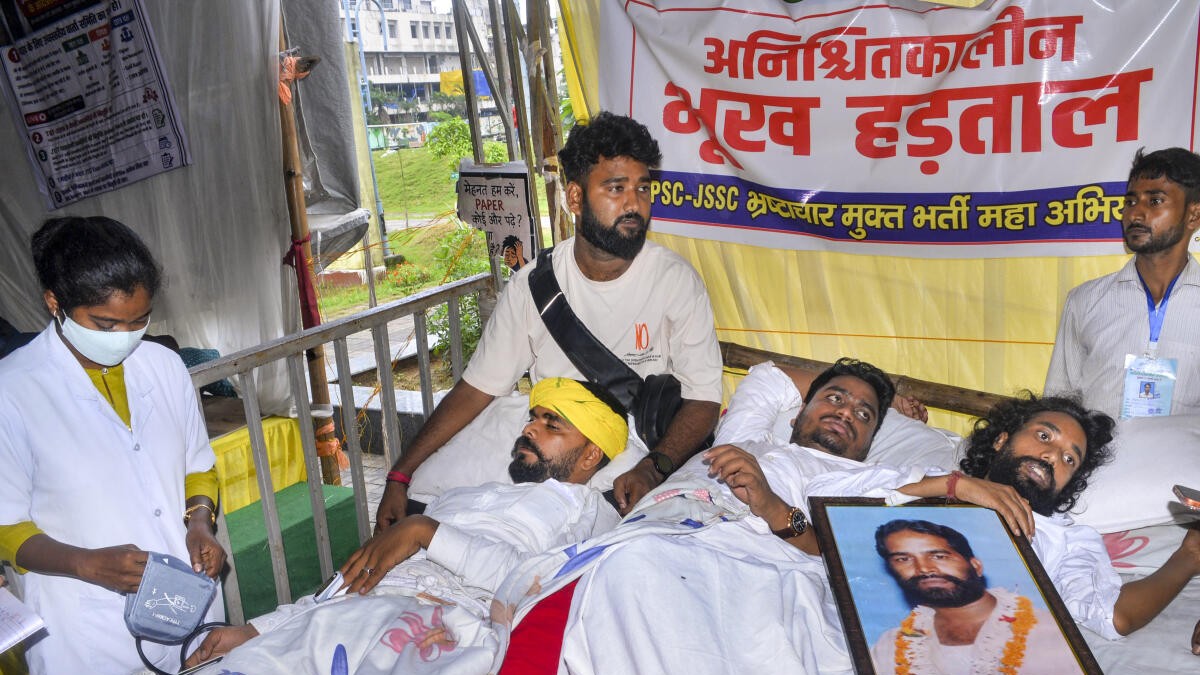
- Leadership on the Ground: Student leader Devendra Nath Mahto, who had been on a nine-day hunger strike, joined the protest march via ambulance and was carried near the site on a stretcher to demonstrate solidarity with the candidates.
- Legislative Support: JLKM MLA Jairam Kumar Mahato met with the protesting students directly, urging law enforcement to exercise restraint while committing to raise candidate concerns both inside the legislature and in public forums.
The Stance of the Jharkhand Government & Political Fallout
The administrative fallout from these examination irregularities has created sharp divisions between the state executive and political opposition. Addressing the situation, the jharkhand government clarified its efforts to resolve candidate grievances through official channels.
Jharkhand Minister Deepika Pandey Singh stated that the government has accepted most demands within its administrative purview. She emphasized that the state is open to conducting comprehensive investigations under direct judicial monitoring. However, regarding demands for the outright cancellation of specific recruitment exams like the JSSC CGL, state representatives noted that unilateral cancellation is constrained due to pending judicial directives and legal frameworks.
On the other hand, Opposition leaders have intensified their criticisms. Leader of Opposition Babulal Marandi accused the administration of failing to protect candidate interests and demanded an immediate transfer of all JPSC and JSSC irregularity probes to the Central Bureau of Investigation (CBI) to guarantee impartiality.
Rebuilding Trust in Public Recruitment Systems
The arrest of a former top bureaucrat and recruitment commission head highlights the growing systemic challenges within state-level public service recruitment. For the jharkhand government, managing the fallout requires balancing strict legal accountability with transparent institutional reforms.
To restore public confidence among the state’s youth, administrative bodies must strengthen vendor vetting mechanisms, implement tamper-proof examination protocols, and ensure swift judicial and investigative outcomes. How the ongoing CID probe progresses will serve as a crucial test case for institutional governance and exam security in the state.
Read Also: CJP Leadership Line-Up: Abhijeet Dipke Takes Charge as National Convener
Frequently Asked Questions (FAQs)
1. Who is L Khiangte and why was he arrested?
L Khiangte is the former Chairman of JPSC and former Chief Secretary of Jharkhand. He was arrested by the state CID following questioning over procedural irregularities in the 14th Civil Services Examination, specifically regarding the empanelment of a previously blacklisted company named TDPL.
2. What are the main allegations against the JPSC exam process?
Protesting candidates allege serious malpractices in state competitive examinations, including leaked question papers, leaked OMR sheets, and manipulation during the evaluation process. These irregularities led to widespread calls for independent investigations into administrative decisions surrounding exam vendor selection.
3. What is the response of the Jharkhand government to student protests?
The jharkhand government stated that it has accepted most candidate demands within its authority and expressed willingness to support judicially monitored probes. However, it noted that unilateral cancellation of certain examinations remains restricted due to existing judicial directives.
4. Which political leaders are involved in supporting the candidates’ demands?
Opposition Leader Babulal Marandi has demanded a full CBI investigation into the exam irregularities. Additionally, JLKM MLA Jairam Kumar Mahato joined student demonstrators, pledging to advocate for candidate transparency and fair treatment within the legislative assembly.
5. Why was the vendor TDPL scrutinized by investigators?
TDPL came under investigation because it was empanelled to conduct the JPSC 14th Civil Services Examination despite being a blacklisted entity. CID investigators are determining how the firm secured empanelment and whether administrative standards were compromised during the contract award process.
Conclusion
The arrest of former JPSC Chairman L Khiangte by the CID marks a significant pivot point in Jharkhand’s ongoing civil services examination controversy. As candidate demonstrations continue to highlight the critical need for institutional transparency, the actions taken by the jharkhand government and investigative agencies will determine the future credibility of state recruitment frameworks. Achieving swift, judicially sound conclusions to these probes remains vital to restoring faith among thousands of dedicated job aspirants.