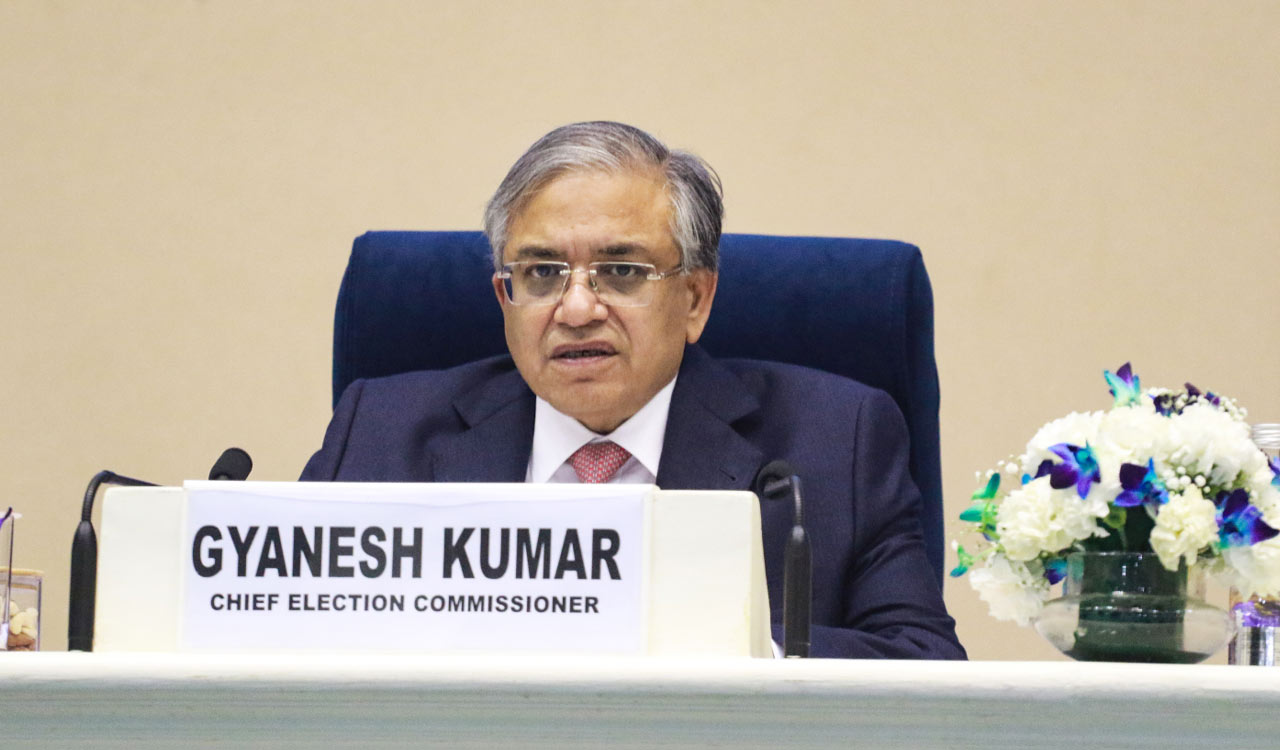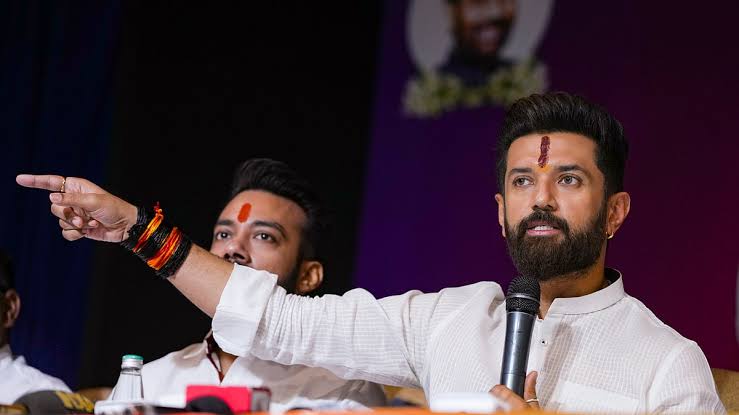
NEW DELHI — Union Minister Chirag Paswan, a key ally in the Ruling National Democratic Alliance (NDA), broke ranks on Friday, September 25, 2026, urging Chief Election Commissioner (CEC) Gyanesh Kumar to forcefully address reports of internal disquiet within the poll panel.
“If such questions are being raised against the Election Commission, I believe it is also the responsibility of the Election Commission, especially the Chief Election Commissioner (CEC), to firmly present its side,” Paswan stated. “The Election Commission must maintain the trust of the people because if doubts arise in the public’s mind about the electoral process itself, that would be wrong.”
Paswan’s intervention follows an explosive investigative report by The Indian Express revealing that Election Commissioners Sukhbir Singh Sandhu and Vivek Joshi formally recorded at least 14 objections over 10 months against administrative decisions made under CEC Gyanesh Kumar.
| Dissent Duration | : | 10 Months (Nov 2025 – Aug 2026) |
| Recorded Objections | : | 14 Formal Notes |
| Key Commissioners | : | Sukhbir Singh Sandhu & Vivek Joshi |
| Primary CEC Targeted | : | Gyanesh Kumar |
| Core Operational Unit | : | Special Intensive Revision (SIR) |
Internal Dissent Over Electoral Roll Revisions
The investigative report revealed that internal friction intensified during the Special Intensive Revision (SIR) of electoral rolls. Commissioners Sandhu and Joshi repeatedly raised concerns in official files over decisions made without the full panel’s concurrence.
Key operational issues flagged in the internal notes include:
- Rapid Centralisation of ERONet: Shifting administrative control away from ground-level Electoral Registration Officers (EROs) to centralized IT divisions.
- Unilateral Form 6 Alterations: Unauthorised modifications made to new voter registration forms.
- Mass Voter Deletions: Software glitches and central overrides that left eligible citizens off final voter lists, including 97 verified voters in Goa.
Opposition Escalates Attacks On ECI Leadership
The report triggered sharp political reactions across the capital. Leader of the Opposition in the Lok Sabha Rahul Gandhi mounted a fierce attack on the poll body, alleging systematic voter disenfranchisement.
“Votes are being stolen, which renders the laws made by MPs illegal,” Gandhi declared during a press conference, calling CEC Gyanesh Kumar a “traitor” to democratic norms and demanding his immediate resignation.
Simultaneously, political outfits like the Cockroach Janata Party (CJP) demanded Kumar’s resignation, threatening a nationwide demonstration if he did not vacate office within 48 hours. A petition was also moved before the Supreme Court of India, seeking a Special Investigation Team (SIT) probe into the handling of the electoral database and prosecution under Section 32 of the Representation of the People Act.
Election Commission Defends Decision-Making Process
In response to the growing political storm, official sources within the Election Commission of India (ECI) rejected allegations of one-man decision-making.
The poll body issued a clarification emphasizing that written queries and internal notes are standard working protocol within a multi-member constitutional panel. Officials insisted that all final orders—including those tied to the SIR exercise—carried the unanimous approval and legal sanction of all three commissioners.
Despite the clarification, NDA partner Chirag Paswan emphasized that procedural explanations must be presented publicly by the CEC to eliminate public apprehension.
| Official | Role | Key Position / Response |
|---|---|---|
| Chirag Paswan | Union Minister (NDA) | CEC must clarify publicly to preserve voter trust. |
| Gyanesh Kumar | Chief Election Comm. | ECI states all final decisions were taken unanimously. |
| Rahul Gandhi | Leader of Opposition | Demanded CEC resignation over alleged voter list tampering. |
| Sukhbir S. Sandhu | Election Comm. | Filed formal objections on centralisation of ERONet. |
| Vivek Joshi | Election Comm. | Co-signatory to internal notes challenging SIR orders. |
Frequently Asked Questions (FAQs)
What is the Special Intensive Revision (SIR) exercise?
The Special Intensive Revision (SIR) is a comprehensive voter list cleanup and update program conducted by the Election Commission of India. It aims to eliminate duplicate entries, correct demographic errors, and update eligible voter records across multiple states.
What objections did Election Commissioners raise against CEC Gyanesh Kumar?
Commissioners Sukhbir Singh Sandhu and Vivek Joshi formally recorded 14 objections over 10 months. They cited centralisation of the ERONet database, modifications to Form 6 voter registration forms without concurrence, and overrides on ground ERO deletion reversals.
What did Union Minister Chirag Paswan say about the controversy?
Chirag Paswan stated that Chief Election Commissioner Gyanesh Kumar must firmly present the ECI’s side to clear public doubts. He emphasized that maintaining public trust in the sanctity of the electoral system is paramount.
How has the Election Commission of India responded to the report?
The ECI stated that written notes and queries represent standard internal deliberation within a multi-member body. The poll panel clarified that all final decisions regarding the SIR process were taken unanimously with full legal sanction.
What legal actions have been initiated following the revelations?
A petition has been filed in the Supreme Court requesting a Special Investigation Team (SIT) inquiry into the SIR voter list revisions. The plea seeks to evaluate alleged violations under Section 32 of the Representation of the People Act.
Conclusion & Strategic Outlook
The public intervention by Union Minister Chirag Paswan marks a significant turning point in the growing row surrounding the Election Commission. By calling for direct transparency from CEC Gyanesh Kumar, Paswan highlights that electoral integrity is not merely a political debate between the government and the opposition, but a vital constitutional necessity.
As the Supreme Court considers petitions demanding a judicial inquiry, the Election Commission faces pressure to reinforce its institutional mechanisms. Restoring faith in digital platforms like ERONet while protecting the statutory authority of local Electoral Registration Officers will remain central to safeguarding public confidence ahead of upcoming election cycles.
To understand more about the reported internal dissent and operational details within the poll body, watch 2 Election Commissioners, 14 Objections. This report offers clear insights into how administrative shifts inside the Election Commission triggered questions around electoral roll management.