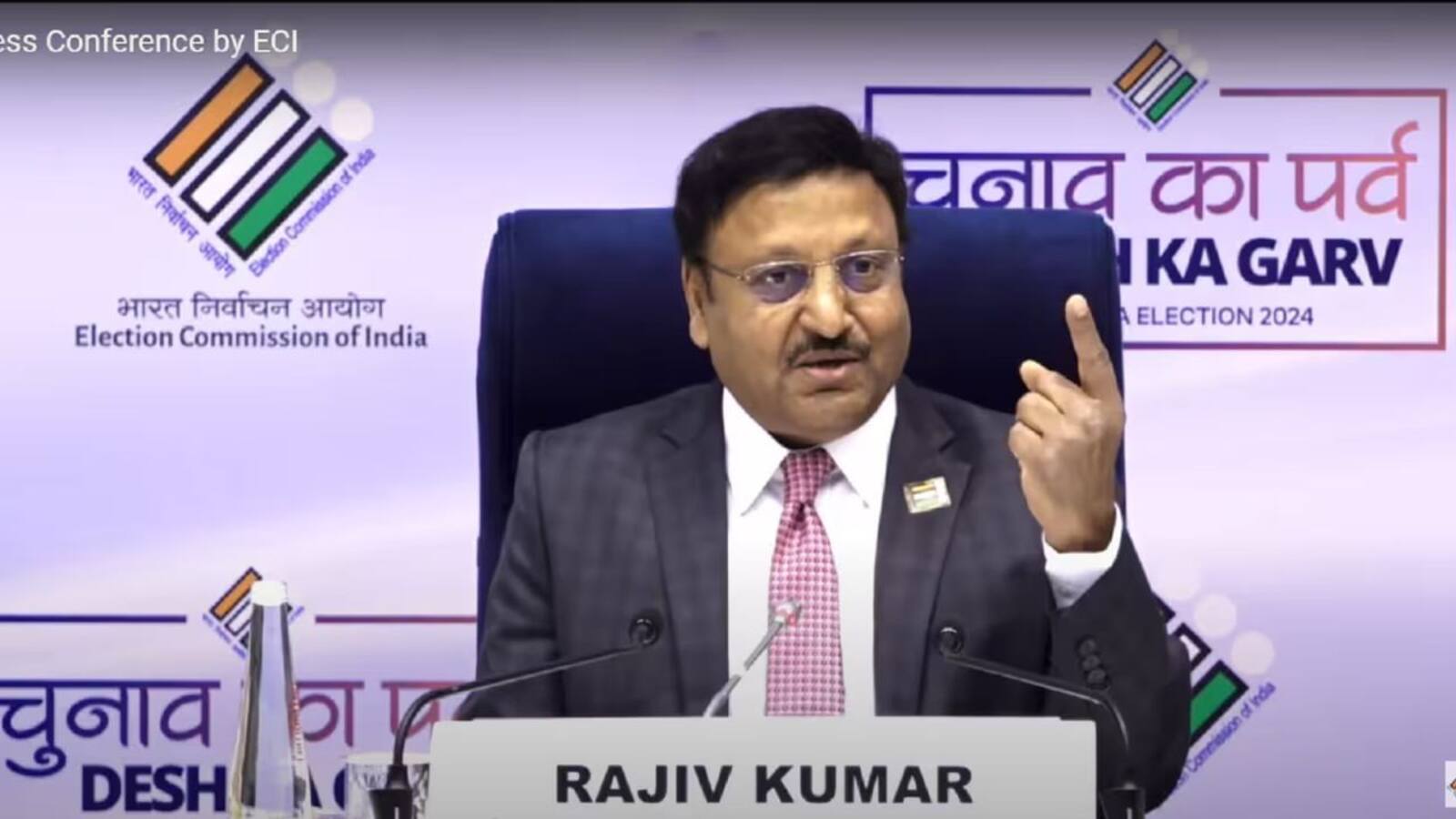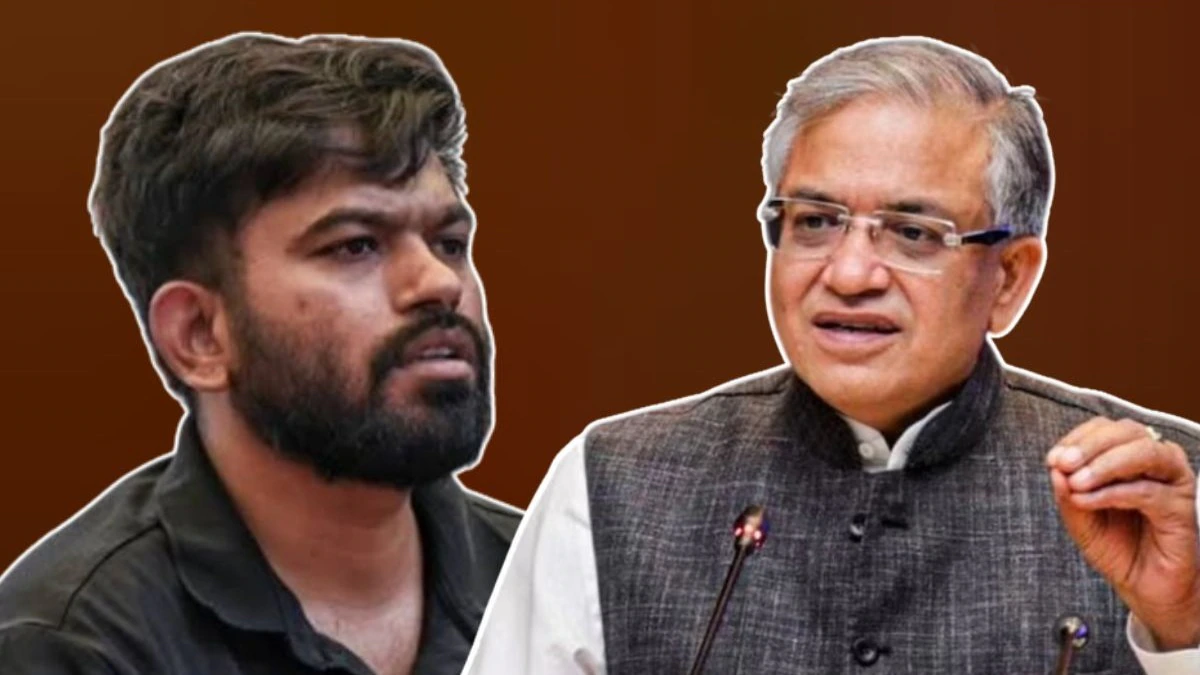
MUMBAI, India — India’s youth-led political outfit, the Cockroach Janta Party (CJP), announced on Friday, September 25, that it will launch a massive, nationwide protest starting October 2 if Chief Election Commissioner (CEC) Gyanesh Kumar does not resign by Saturday.
The ultimatum, declared by CJP founder Abhijeet Dipke, follows an investigative news report alleging that internal dissension within the Election Commission of India (ECI) saw deputy commissioners repeatedly question Kumar over major revisions to national voter rolls.
| CRITICAL TIMELINE & EVENTS | |
|---|---|
| SEPT 23 | Reports leak 14 internal ECI objections to SIR |
| SEPT 24 | CJP issues 48–hour resignation ultimatum to CEC |
| SEPT 26 | Expiration of deadline set by Abhijeet Dipke |
| OCT 02 | Nationwide agitation begins in Mumbai |
Ultimatum Issued as Internal ECI Rift Surges
Addressing media outlets and detailing the movement’s stance on digital platforms, Dipke warned that the CJP’s initial protest in Mumbai will quickly expand across major metropolitan hubs.
“If Gyanesh Kumar does not resign by tomorrow, CJP will begin its nationwide protest from Mumbai on 2 October, and take it to cities across India,” stated Abhijeet Dipke in a statement on X.
The movement’s 48-hour deadline was first issued on Thursday, September 24, placing direct pressure on the country’s electoral chief. The political fallout stems from revelations surrounding the Special Intensive Revision (SIR), an electoral list clean-up initiative that saw over 13 crore voter names purged across multiple states and union territories.
Reports indicate that fellow Election Commissioners Sukhbir Singh Sandhu and Vivek Joshi formally recorded objections at least 14 times in 10 months regarding unapproved decisions, centralization of the ERONet voter database, and altered Form 6 rules. Opposition parties claim these administrative changes unfairly benefit Prime Minister Narendra Modi’s ruling party by disenfranchising critical voter bases.
Poll Panel Defends Process Amid Widening Backlash
In response to the mounting political crisis, the Election Commission of India issued a statement clarifying that internal debates, written dissent, and procedural checks are routine administrative functions within any constitutional body.
The poll panel asserted that all decisions—including the execution of the nationwide SIR—were carried out strictly according to statutory framework and maintained full legality.
Despite official assurances, opposition leaders including Rahul Gandhi, Priyanka Gandhi Vadra, Arvind Kejriwal, and Uddhav Thackeray have amplified calls for structural accountability, demanding that the revision exercise be paused or scrapped entirely.
Youth Strategy and ‘Jantar Mantar 2.0’ Plan
The Cockroach Janta Party, which originated as a satirical Gen Z protest movement in early 2026, has rapidly shifted its primary focus from systemic issues like paper leaks and unemployment to core democratic safeguards.
Spokesperson Saurav Das emphasized that advocacy surrounding public infrastructure, civil amenities, and education is rendered ineffective if basic voting rights are eroded.
The upcoming October 2 demonstrations—coinciding with Gandhi Jayanti—are slated to serve as the launchpad for what activists are calling “Jantar Mantar 2.0“. Organizers intend to execute peaceful civil disobedience, public rallies, and digital campaigns until structural reforms or high-level resignations occur within the election body.
| KEY CONTROVERSY PARAMETERS | |
|---|---|
| Target Entity | Election Commission of India (ECI) |
| Primary Figure | Chief Election Commissioner Gyanesh Kumar |
| Core Grievance | Unilateral SIR Changes & 13 Cr Voter Deletions |
| Dissenting Panel | Commissioners Sukhbir Sandhu & Vivek Joshi |
| Mobilizer Group | Cockroach Janta Party (CJP) |
| Demanded Outcome | Immediate Resignation & Rollback of SIR Rules |
Frequently Asked Questions (FAQs)
What is the ‘Cockroach’ movement in India?
The Cockroach movement, officially operating as the Cockroach Janta Party (CJP), is a youth-led political organization founded by strategist Abhijeet Dipke in May 2026. Initially formed using political satire, it mobilizes young citizens against systemic issues, youth unemployment, and voting rights irregularities.
Why is the CJP demanding Gyanesh Kumar’s resignation?
The CJP demands Chief Election Commissioner Gyanesh Kumar’s resignation over claims that changes to voter lists during the Special Intensive Revision (SIR) exercise disenfranchised millions of voters. Recent investigative reports highlighted that deputy election commissioners raised 14 internal objections regarding these administrative decisions.
When and where will the nationwide protests begin?
Nationwide protests are scheduled to commence on October 2 in Mumbai if CEC Gyanesh Kumar fails to step down by Saturday. Following the initial demonstration in Mumbai, the CJP plans to scale up rallies and public agitations across major urban centers nationwide.
How has the Election Commission of India responded to allegations?
The Election Commission of India stated that internal differences among commissioners are normal checks and balances in a multi-member institution. The ECI maintained that all administrative actions, including voter roll revisions, were unanimously authorized and executed strictly within the boundaries of the law.
What is the Special Intensive Revision (SIR) controversy?
The Special Intensive Revision (SIR) controversy revolves around administrative updates to voter registries that resulted in over 13 crore names being removed. Critics argue changes to Form 6 declarations and centralized database management created arbitrary barriers for legitimate voters.
The Road Ahead: Potential Institutional and Political Impact
The confrontation between the Cockroach Janta Party and the Election Commission of India marks a critical juncture for institutional accountability in the country. Should CEC Gyanesh Kumar decline to step down by Saturday’s deadline, the planned October 2 demonstrations will likely force a broader debate on constitutional transparency and internal poll body governance.
In the long term, this escalating clash could compel the judiciary to review executive powers over voter registry modifications, particularly regarding how database centralizations are approved within multi-member commissions. As opposition factions consolidate behind youth-led agitations, the ECI faces an urgent task to restore public confidence in the integrity of upcoming electoral cycles.