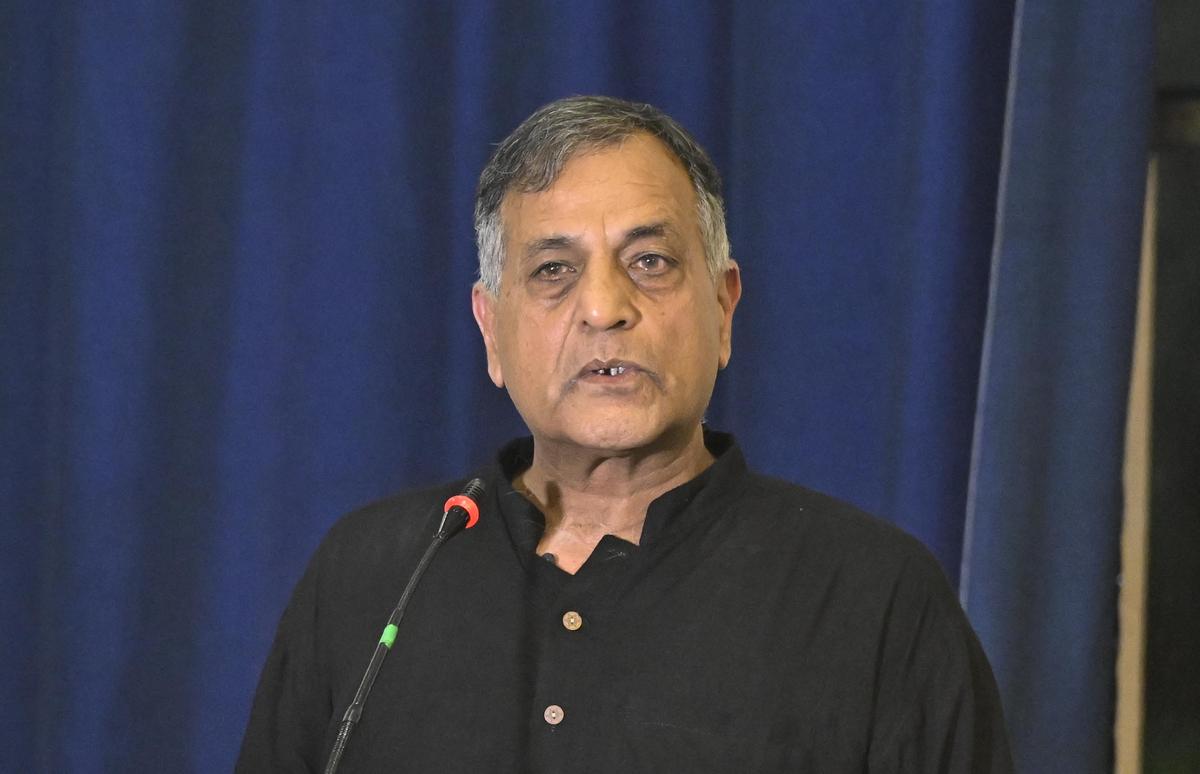
KOLKATA — In a stinging indictment of the ongoing Special Intensive Revision (SIR) exercise, former Election Commissioner Ashok Lavasa stated on October 13, 2026, that millions of citizens are having their names purged from voter lists on mere suspicion rather than verified evidence.
Addressing a virtual civil society convention in Kolkata, Lavasa characterized the centralized voter deletion process as illegal and destructive to public trust in the Election Commission of India (ECI).
“People’s names were removed from voter lists merely on the suspicion that they are not citizens, without any evidentiary proof,” Ashok Lavasa remarked during the panel. “The agency that was created to include voters is now actively working to exclude them.”
ERO Powers Systematically Stripped via Centralized Software
At the heart of Lavasa’s critique is the statutory role of the Electoral Registration Officer (ERO). Under the Representation of the People Act, 1950, the ERO holds exclusive quasi-judicial authority to add or delete names from electoral rolls after local verification and due process.
However, during the current SIR exercise, EROs were reportedly denied administrative access to the centrally managed ECINET software platform.
The Procedural Breakdown Highlighted by Experts
- Loss of Local Jurisdiction: EROs were unable to review or halt automated algorithmic flaggings generated centrally.
- Bypassed Right to Appeal: Standard legal recourse—appealing an ERO decision to the District Election Officer (DEO) or Chief Electoral Officer (CEO)—was effectively neutralized because the decisions originated from centralized software interventions rather than local officer determinations.
- Form 6 & Form 7 Deviations: Alterations to statutory voter forms without prior parliamentary approval violated established rules, leading to unchecked bulk deletions under Form 7.
Analytical Deep-Dive: The Institutional Crisis Behind the SIR Conflict
The SIR debate highlights a major structural shift within India’s election administration. Historically, intensive revisions were conducted 12 to 18 months prior to state assembly elections to allow sufficient time for public notices, claims, and appeals.
The ECI’s decision to push SIR in West Bengal immediately ahead of crucial assembly elections triggered widespread panic and logistical bottlenecks.
Former Chief Election Commissioner O.P. Rawat and ex-IAS officer Anita Agnihotri echoed Lavasa’s concerns, noting that disenfranchising voters while their statutory appeals remain pending fundamentally violates fundamental rights guaranteed under Article 324 of the Constitution.
Political Flashpoint: Prakash Raj and Civil Society Target Union Government
The civil society convention featured prominent voices including actor-filmmaker Prakash Raj, retired IAS officer Jawahar Sircar, former Kolkata Mayor Bikas Ranjan Bhattacharya, and former IAS officer Anita Agnihotri.
| Speaker | Core Statement / Allegation |
|---|---|
|
Ashok Lavasa (Former EC) | Voter deletions are based on suspicion, bypassing EROs and violating legal appeal structures. |
|
Prakash Raj (Actor / Filmmaker) | Centralized ECINET data and Form 7 are being misused to target minority votes; CEC is being shielded. |
|
Anita Agnihotri (Former IAS Officer) | ECI transitioned from an inclusive agency into an exclusionary machinery causing voter panic. |
Prakash Raj directly criticized Prime Minister Narendra Modi, Home Minister Amit Shah, and Chief Election Commissioner Gyanesh Kumar, accusing the ruling administration of weaponizing election software to alter voting demographics.
“The Modi-Shah government has centralized data and used Form 7 to systematically delete minority votes,” Prakash Raj stated. “The aggressive political backing of CEC Gyanesh Kumar shows how deeply the commission’s independence has been compromised.”
What Happens Next: Legal & Constitutional Implications
As street protests organized by the INDIA bloc expand across New Delhi and state capitals, the Supreme Court of India has taken up petitions challenging the procedural validity of SIR and the unilateral modifications made to voter forms.
Short-Term and Long-Term Outlook
- Supreme Court Intervention: The apex court’s ruling on whether Form 6 and Form 7 were altered without statutory authority will determine if deleted voters must be provisionally reinstated.
- Re-establishing Institutional Integrity: Former commissioners emphasize that unless the ECI reinstates the full statutory authority of local EROs, the credibility of upcoming state assembly results will remain compromised in the eyes of voters.
Frequently Asked Questions (FAQs)
What is the core objection raised by Ashok Lavasa regarding the SIR process?
Ashok Lavasa objected that voters were deleted from electoral rolls based on unverified suspicion of non-citizenship rather than concrete proof, while local EROs were stripped of their statutory software powers.
What role does the ERO play in electoral roll management?
The Electoral Registration Officer (ERO) is the sole legal authority empowered under the Representation of the People Act to evaluate evidence and decide on the inclusion or deletion of voters.
Why is the ECINET software platform controversial in the current SIR exercise?
ECINET is controversial because centralized control over the system prevented local EROs from independently verifying bulk deletion applications (Form 7), creating a mechanism for automated mass removals.
What is Form 7, and how is it allegedly being misused?
Form 7 is the official application used to object to a voter’s inclusion or seek name deletion; critics allege it is being filed en masse centrally to target specific voter demographics without their knowledge.
Who were the key speakers at the Kolkata civil society convention on SIR?
The virtual convention featured former Election Commissioner Ashok Lavasa, actor Prakash Raj, former IAS officers Jawahar Sircar and Anita Agnihotri, and former MP Bikas Ranjan Bhattacharya.
Analytical Summary: Rebuilding Institutional Credibility
The SIR debate highlights a critical institutional challenge: balancing digital modernization with statutory checks and balances. Centralizing administrative authority in platforms like ECINET risks side-stepping local judicial scrutiny and undermining public trust in electoral outcomes.
To restore confidence before upcoming state elections, the Election Commission of India must re-establish the full authority of local EROs, ensure clear evidentiary standards before removing names, and maintain absolute procedural transparency.
What are your thoughts on the centralization of electoral processes? Would you like further policy analysis or updates on the Supreme Court proceedings regarding SIR?

Manish Kumar began his professional journey in digital marketing and performance marketing, and currently works as a Digital Marketing Excutive and SEO expert. With over 3 years of professional experience, he handles both strategy and execution. Currently, he manages digital marketing and performance marketing at ‘Shabd Sanchi’ (shabdsanchi.com).