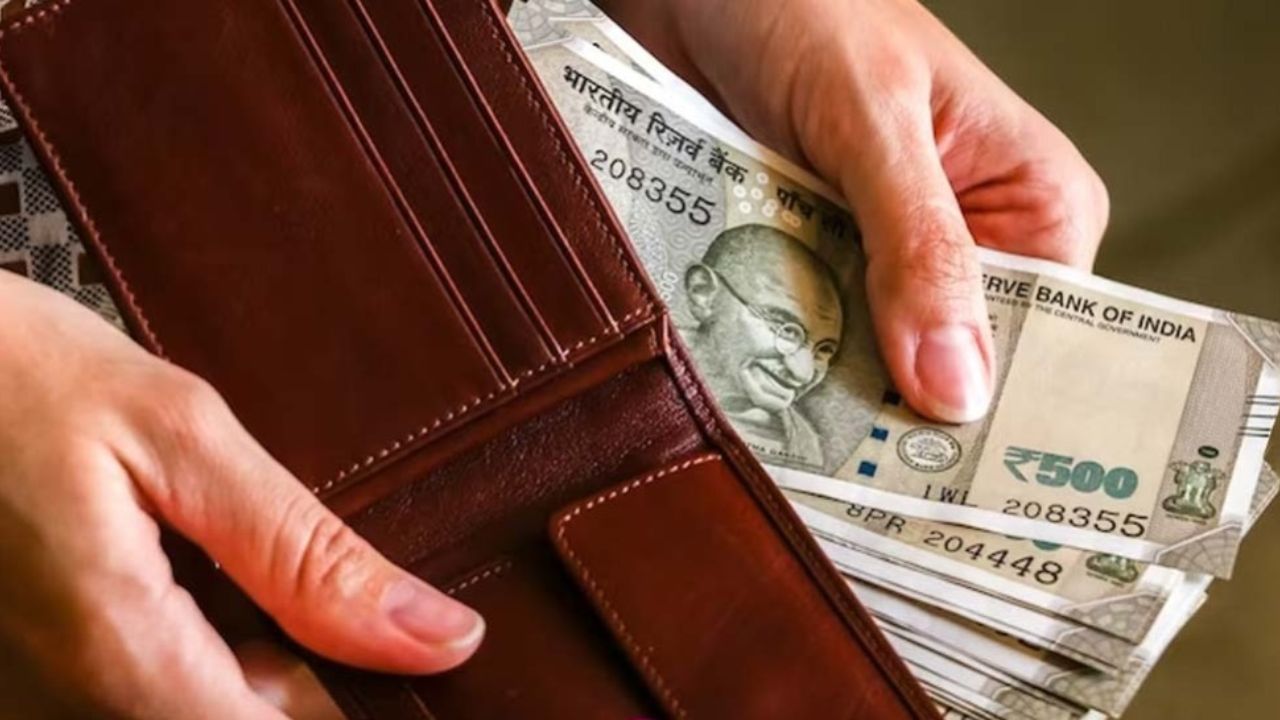
Rising fuel prices and global supply chain disruptions have sparked fresh anxieties across the country. Following Prime Minister Narendra Modi’s recent parliamentary address on the West Asia energy crisis, public concern has amplified. Consequently, searches for a potential Lockdown in India 2026 have witnessed a massive spike, leaving citizens wondering if severe restrictions are returning.
Understanding the West Asia Energy Crisis
The ongoing conflict in the Middle East has severely disrupted global trade routes. Commercial shipping through the Strait of Hormuz has essentially come to a halt. This critical maritime corridor handles a massive portion of the world’s daily oil consumption. As a direct result, international energy markets are facing intense pressure.
Brent crude oil prices have surged past $112 per barrel recently. Meanwhile, natural gas prices in the United States have crossed $5 per gallon. These elevated costs are immediately translating into higher transportation expenses worldwide. Consequently, the prices of everyday retail goods and essential commodities are climbing steadily.
Food security is another major concern linked to this geopolitical tension. Essential fertilizers required for agricultural production heavily depend on the Strait of Hormuz for transit. When farmers pay more for these agricultural inputs, retail food prices inevitably rise. This slow-burning crisis is tightening its grip on the global economy week by week.
Why Are People Searching for Lockdown in India 2026?
The sudden surge in public anxiety coincides with a deeply etched national memory. March 24 marks the anniversary of the unprecedented 2020 nationwide shutdown. Triggered by this memory, internet searches for a Lockdown in India 2026 have skyrocketed across digital platforms.
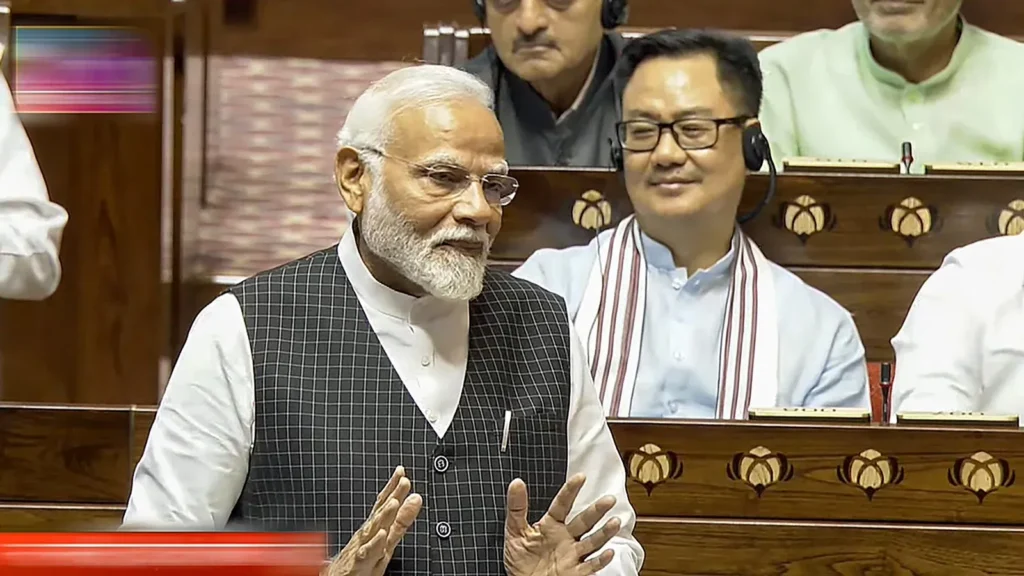
However, the primary catalyst for this renewed fear is the ongoing energy disruption, not a health emergency. Prime Minister Narendra Modi recently addressed Parliament regarding the escalating Middle East situation. He acknowledged the unprecedented economic and security challenges posed by the war.
Read Also: Why ‘Lockdown in India’ is Trending Amid US-Iran Tension
During his speech, the Prime Minister stated that the nation must remain “prepared like the times of Covid.” This specific phrasing was meant to encourage coordinated government readiness and robust contingency planning. Unfortunately, the comparison inadvertently sparked fears of strict civilian movement restrictions among the general public.
Global Fuel Rationing and Supply Chain Strain
The ripple effects of the energy shortage are already visible internationally. Several nations have actively started implementing strict oil rationing protocols to manage dwindling reserves. For instance, Japan has introduced energy vouchers to regulate domestic fuel consumption efficiently.
South Korea is enforcing similar measures to protect its national energy grid. Meanwhile, neighboring countries like Bangladesh and Sri Lanka are witnessing long queues at fuel stations. The Australian government has formally advised its citizens to minimize all non-essential travel to conserve resources.
These global developments naturally make Indian citizens anxious about their own fuel security. India imports approximately 80 percent of its crude oil requirements through the currently blocked maritime routes. Therefore, any prolonged disruption in the Middle East directly threatens the country’s economic stability.
The Ground Reality of Energy Supplies in India
Despite the alarming global headlines, the immediate situation within the country remains manageable. The central government has quickly prioritized domestic demand over industrial exports to stabilize the market. Industrial gas supplies have been intentionally curtailed to conserve fuel for residential consumption.
Citizens are, however, noticing some friction regarding cooking gas availability. Several cities have reported delivery delays and a temporary suspension of new LPG connections. In isolated incidents, waiting periods for cylinders have extended, causing localized black-market prices to surge.
To counter this, domestic petroleum companies have significantly ramped up local LPG production. Authorities are continuously rerouting shipments through alternative maritime channels to bypass conflict zones. Officials are strongly advising the public to avoid panic buying, which artificially creates temporary market shortages.
Government Measures to Prevent Economic Disruption
The administration is actively working to insulate the economy from long-lasting shocks. The Prime Minister has reassured the nation that there is no imminent energy blackout. Supplies of petrol, diesel, and cooking gas are being monitored and maintained around the clock.
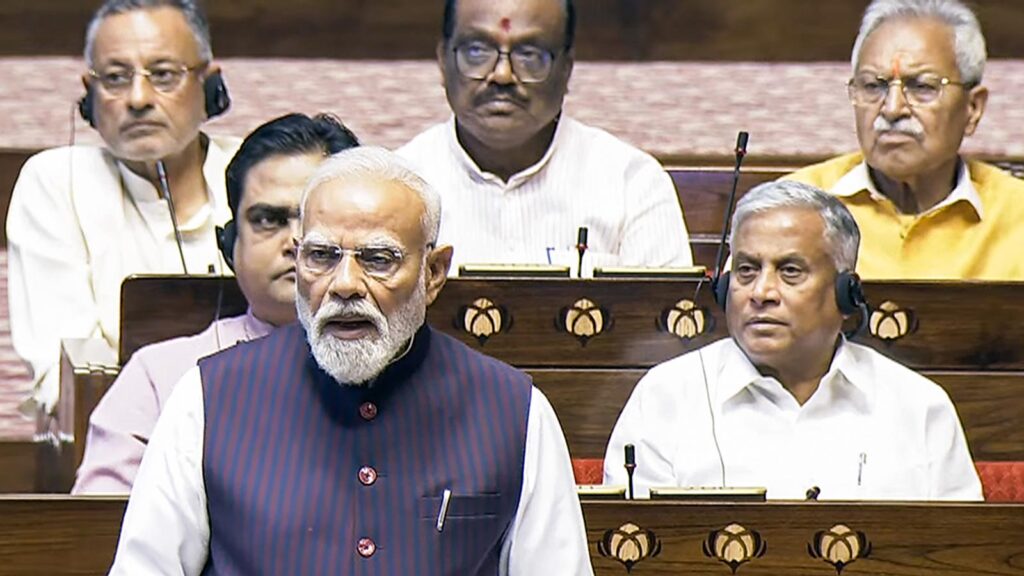
Special task forces and empowered groups have been established to assess real-time market conditions. These specialized committees are designed to respond rapidly to any sudden breaks in the supply chain. Their primary focus spans across energy security, food availability, and essential logistical operations.
Read Also: MP Board 9th, 11th Result 2026 Out: Check Scores Online
While the phrase “prepared like the times of Covid” sounds alarming, it refers entirely to administrative agility. The government is attempting to replicate the rapid bureaucratic response seen during the pandemic. There are absolutely no official discussions regarding civilian curfews or commercial market closures.
Separating Fact from Public Anxiety
The anxiety surrounding a potential shutdown is entirely driven by speculation and historical trauma. While the West Asia crisis presents genuine economic hurdles, it is vastly different from a viral pandemic. Geopolitical supply chain issues require strategic trade interventions, not mandatory citizen confinement.
According to official information, the central administration is fully focused on diversifying import strategies. Based on available details, the government’s primary objective is securing alternative supply routes to stabilize inflation. Citizens can navigate this period safely by staying informed through verified news sources and avoiding rumor-driven panic.
To learn more, follow Shabdsanchi’s social media pages today and stay updated.
- Facebook: shabdsanchi
- Instagram: shabdsanchiofficial
- YouTube: @shabd_sanchi
- Twitter: shabdsanchi