Naraka Chaturdashi 2026 will be observed across India on Sunday, November 8, 2026. Widely recognized as Choti Diwali, Roop Chaturdashi, and Roop Chaudas, this significant festival falls on the 14th day (Chaturdashi) of the Krishna Paksha in the Hindu lunar month of Kartik. Marked by the sacred pre-dawn Abhyanga Snan—a ritualistic bath designed to purify the body and ward off negative energies—the day serves as a powerful prelude to the grand celebrations of Deepawali.
Naraka Chaturdashi 2026 Date and Abhyanga Snan Muhurat
According to calculations from Drik Panchang, the auspicious window for the Abhyanga Snan in New Delhi will open from 5:41 am to 6:38 am on November 8, 2026. This precise 57-minute window is meticulously calculated to ensure the ritual takes place during moonrise and before sunrise while the Chaturdashi Tithi is actively prevailing.
- Naraka Chaturdashi Date: Sunday, November 8, 2026
- Abhyanga Snan Muhurat: 5:41 am to 6:38 am
- Total Duration: 57 minutes
- Moonrise at Abhyanga Snan: 5:41 am
- Chaturdashi Tithi Begins: 10:47 am on November 7, 2026
- Chaturdashi Tithi Ends: 11:27 am on November 8, 2026
Note: Because sunrise and moonrise times vary by geographic location, devotees residing outside New Delhi should consult their local Panchang to verify the exact localized Abhyanga Snan muhurat.
Chaturdashi Tithi Timings and Astronomical Significance
The Chaturdashi Tithi commences at 10:47 am on November 7 and concludes at 11:27 am on November 8, 2026. Hindu religious frameworks dictate that the Abhyanga Snan must be performed strictly within the pre-dawn window when the Chaturdashi Tithi overlaps with the period between moonrise and sunrise. Consequently, the date of observance is anchored to prevailing astronomical alignments rather than standard Gregorian calendar dates.
Furthermore, in 2026, a rare calendar convergence places Naraka Chaturdashi and the main Diwali Lakshmi Puja on the exact same calendar day. Households will simultaneously engage in early morning purification rituals followed by grand evening illuminations and goddess worship.
What is Abhyanga Snan? Rituals and Significance
Abhyanga Snan is a time-honored therapeutic oil bath executed during the core of the Diwali festivities. On Naraka Chaturdashi, practitioners apply sesame oil (til oil) across their bodies before stepping into a cleansing bath, frequently paired with ubtan—a traditional herbal cleansing paste.
- Spiritual Purification: The ritual acts as a symbolic cleanser of past missteps, ego, and negative influences.
- Avoidance of Narak: Traditional belief dictates that individuals performing the Abhyanga Snan with devotion successfully shield themselves from Narak (hell).
- Hierarchy of Observance: While oil baths are occasionally prescribed across Amavasya and Pratipada, the observance on Naraka Chaturdashi remains paramount.
Why is Naraka Chaturdashi Also Called Choti Diwali?
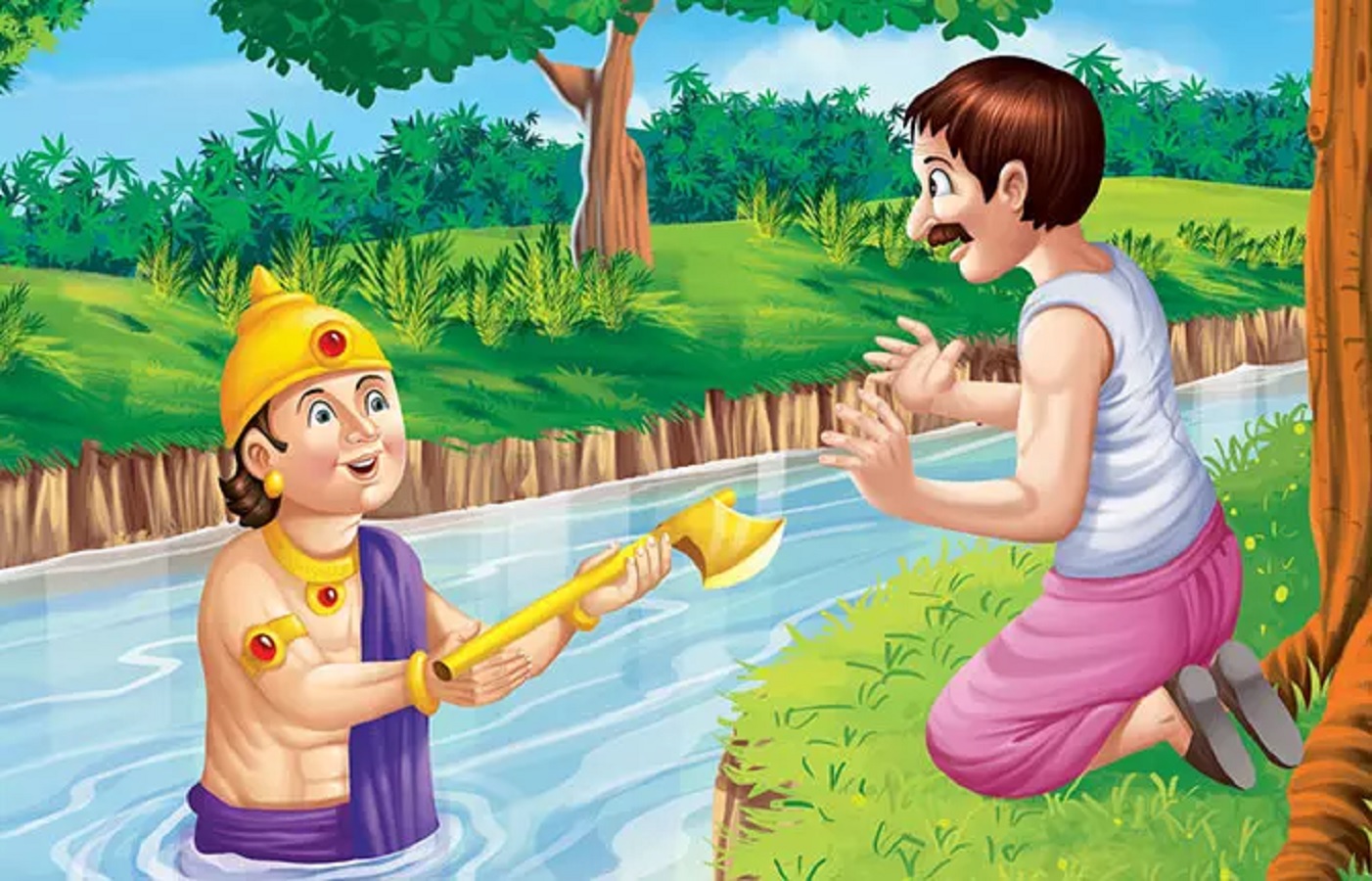
Popularly celebrated as Choti Diwali, Roop Chaturdashi, and Roop Chaudas, the festival draws its primary mythological foundation from the legendary defeat of the demon Narakasura by Lord Krishna. Narakasura had reigned with tyranny, inflicting widespread suffering across celestial and earthly realms. His ultimate downfall symbolized the triumph of righteousness (dharma) over malevolent forces (adharma).
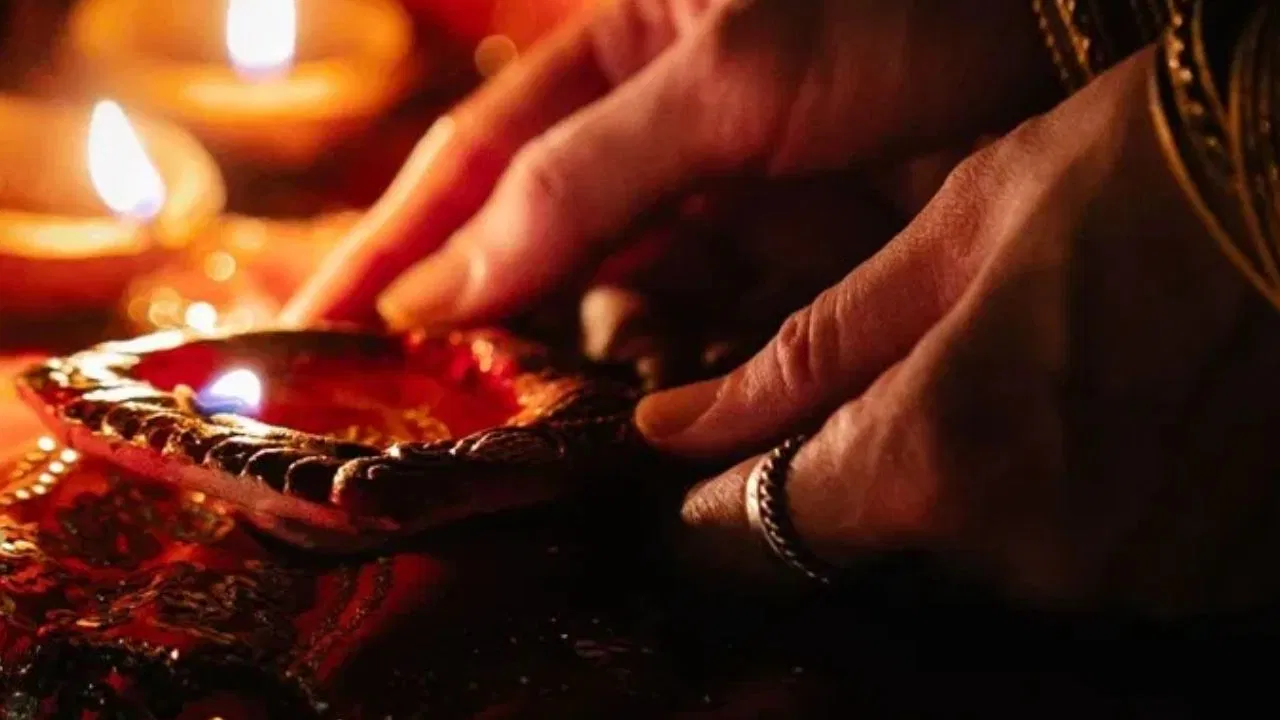
In contemporary households across India, the day involves cleaning living spaces, embellishing entryways with vibrant rangolis, igniting clay diyas, and preparing festive sweets. These actions establish an atmosphere of readiness for the primary Diwali celebrations that follow.
Naraka Chaturdashi vs. Kali Chaudas: Are They the Same?
While Naraka Chaturdashi and Kali Chaudas are frequently treated interchangeably, they represent distinct regional and religious observances linked to the same Chaturdashi Tithi.
- Naraka Chaturdashi: Centered primarily around the victory over Narakasura and the execution of the Abhyanga Snan.
- Kali Chaudas: Observed heavily across western regions of India, focusing on the powerful worship of Goddess Kali alongside regional customs.
Depending on how the lunar Tithi shifts, these two events can merge onto a single calendar date or span across consecutive mornings. Devotees are encouraged to follow regional family traditions and local Panchang guidelines.
Frequently Asked Questions (FAQs)
Naraka Chaturdashi 2026 will be observed on Sunday, November 8, 2026.
The Abhyanga Snan muhurat is from 5:41 am to 6:38 am on November 8, 2026.
Sesame oil is traditionally applied during the pre-dawn ritual to cleanse negative energies and fulfill ancient scriptural injunctions against spiritual impurity.
Yes, both Naraka Chaturdashi and Lakshmi Puja fall on November 8, 2026, requiring devotees to complete morning bath rituals and evening worship sequentially.
The Chaturdashi Tithi starts at 10:47 am on November 7 and ends at 11:27 am on November 8, 2026.
Analytical Conclusion and Outlook
The alignment of Naraka Chaturdashi and Diwali Lakshmi Puja on November 8, 2026, compresses the spiritual intensity of the five-day festival cycle into a singular, high-energy day of observance. For digital marketers, content creators, and cultural publishers, understanding these exact astronomical timings allows for precise audience targeting during peak search windows. As communities prepare to balance early morning purification rites with evening prosperity rituals, adherence to local Panchang frameworks ensures both traditional accuracy and a spiritually fulfilling festival experience.

Manish Kumar began his professional journey in digital marketing and performance marketing, and currently works as a Digital Marketing Excutive and SEO expert. With over 3 years of professional experience, he handles both strategy and execution. Currently, he manages digital marketing and performance marketing at ‘Shabd Sanchi’ (shabdsanchi.com).