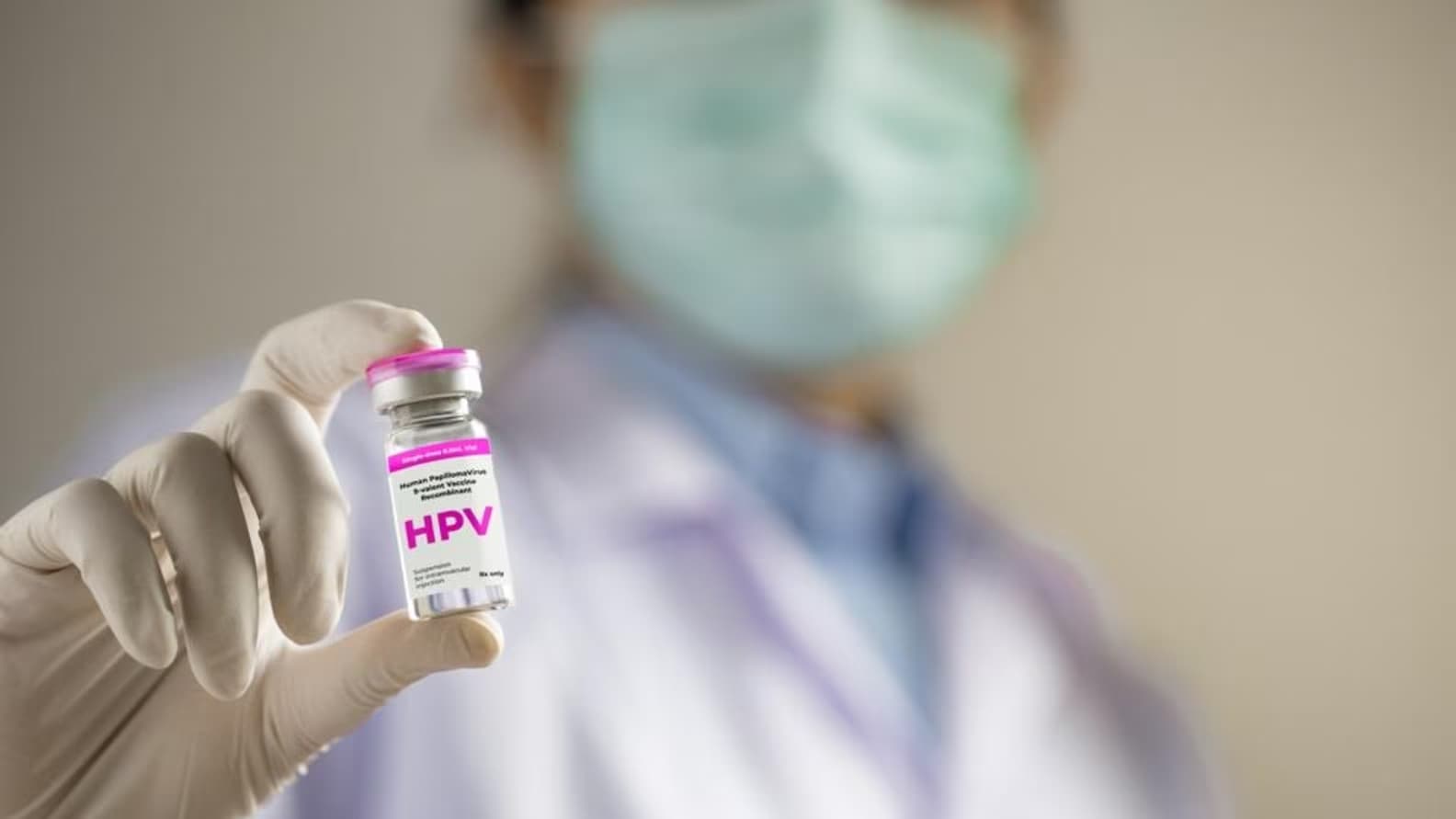
Prime Minister Narendra Modi is scheduled to inaugurate a critical public health initiative on February 28. He will launch a nationwide HPV vaccination drive directly from Ajmer, Rajasthan. This massive health campaign targets 14-year-old girls across India to significantly reduce future cervical cancer risks.
Details of the Launch Event and State Participation
The Union Health Ministry confirmed that the virtual inauguration will begin at approximately 11:30 am. Representatives from all states and Union Territories will join the broadcast simultaneously. They will connect through their local National Informatics Centre (NIC) networks.
Chief Ministers, state health ministers, and senior medical officials will participate from their respective regional headquarters. This highly coordinated administrative effort highlights the government’s serious commitment to preventive healthcare. By bringing all state machineries together, health authorities aim to ensure a completely seamless national rollout.
Eligibility Criteria and Consent Protocols
The primary beneficiaries of this public health initiative are girls who are currently 14 years old. However, the health ministry has introduced a practical and flexible age window. Young girls who will turn 15 within three months of the campaign’s launch date remain fully eligible.
All immunizations will take place safely at designated government health centers across the country. The vaccination service is entirely voluntary, respecting individual family choices. Furthermore, medical officers must obtain explicit, documented consent from a parent or guardian before administering the shot.
Understanding Gardasil-4 and Medical Efficacy
Healthcare workers will administer a single dose of the Gardasil-4 vaccine during this nationwide campaign. This specific medical formulation offers robust protection against four major strains of the Human Papillomavirus. These dangerous viral strains are globally recognized as the primary cause of most cervical cancer cases.
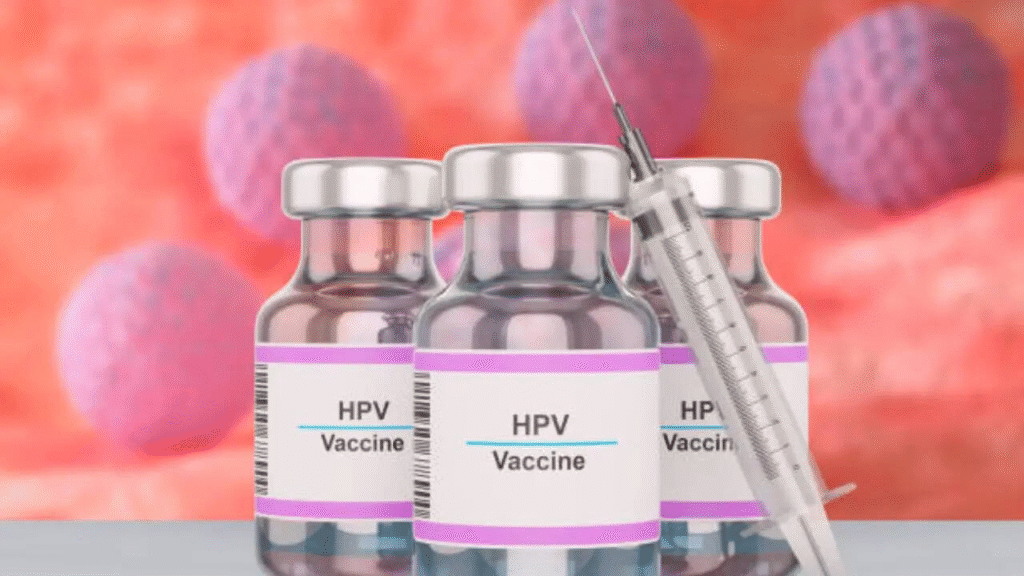
Clinical studies consistently show that the vaccine is highly effective when given before potential viral exposure. Administering a single, high-quality dose provides sufficient immunological memory for long-term protection. The World Health Organization (WHO) also strongly advocates for early adolescent immunization to achieve maximum health benefits.
The Strategy Behind the Three-Month Intensive Phase
The central government has strategically planned a special three-month intensive phase immediately following the February 28 launch. During this aggressive period, local clinics will offer the preventative vaccine every single day. This daily availability is designed to maximize public coverage rapidly.
This initial push aims to protect millions of young adolescents in a highly condensed timeframe. Once the three-month intensive window officially closes, the vaccine will not disappear from public access. Instead, authorities will permanently integrate the HPV shot into standard routine immunization days at the same health facilities.
Addressing the Cervical Cancer Burden in India
Cervical cancer currently remains one of the leading causes of cancer-related mortality among adult women in India. Medical experts consistently emphasize that early vaccination serves as the single most effective prevention strategy available today. Treating the disease in its later stages is incredibly difficult and emotionally devastating for families.
Preventive health measures like this campaign tackle the root cause of the crisis directly. A successful, wide-scale immunization program can drastically alter India’s public health trajectory. Epidemiologists predict a substantial drop in future cancer incidence rates if coverage targets are successfully met.
Breaking Financial Barriers in Healthcare
Historically, the high financial cost of imported HPV vaccines restricted access almost exclusively to urban, upper-middle-class families. A single dose in the private medical sector can be prohibitively expensive for average citizens. Providing these critical vaccines completely free of charge at government facilities bridges a massive healthcare divide.
Overcoming Logistical and Distribution Challenges
Executing a healthcare campaign of this magnitude requires flawless logistical planning and execution. State health departments are currently finalizing their regional networks to handle vast vaccine storage requirements. Strict cold chain maintenance is absolutely vital for preserving the biological efficacy of the Gardasil-4 doses.
Local administrative authorities are currently undergoing specialized training to manage the rollout efficiently. Transporting the temperature-sensitive vials to remote rural districts presents a significant operational challenge. However, India’s previous successes with mass immunization provide a strong operational blueprint.
The Crucial Role of Community Education
The ultimate success of this health campaign relies heavily on active and informed community participation. Local schools, educational institutions, and village panchayats are expected to play a crucial role in mobilizing eligible girls. Collaborative efforts between dedicated healthcare providers and trusted community leaders consistently yield the best outcomes.
Public awareness campaigns will simultaneously run alongside the vaccination efforts to thoroughly educate hesitant parents. Many rural families still lack accurate, scientific information regarding HPV and its direct link to fatal diseases. Addressing these critical knowledge gaps is essential for the long-term sustainability of the initiative.
To learn more, follow Shabdsanchi’s social media pages today and stay updated.
- Facebook: shabdsanchi
- Instagram: shabdsanchiofficial
- YouTube: @shabd_sanchi
- Twitter: shabdsanchi