Skywatchers and astronomy enthusiasts are gearing up for the highly anticipated Lunar Eclipse 2026 India. Also known locally as Chandra Grahan, this celestial event will cast a spectacular shadow over the moon. Understanding the specific timings, regional visibility, and safety guidelines is crucial for anyone hoping to witness this astronomical alignment.
Understanding the Lunar Eclipse 2026 India
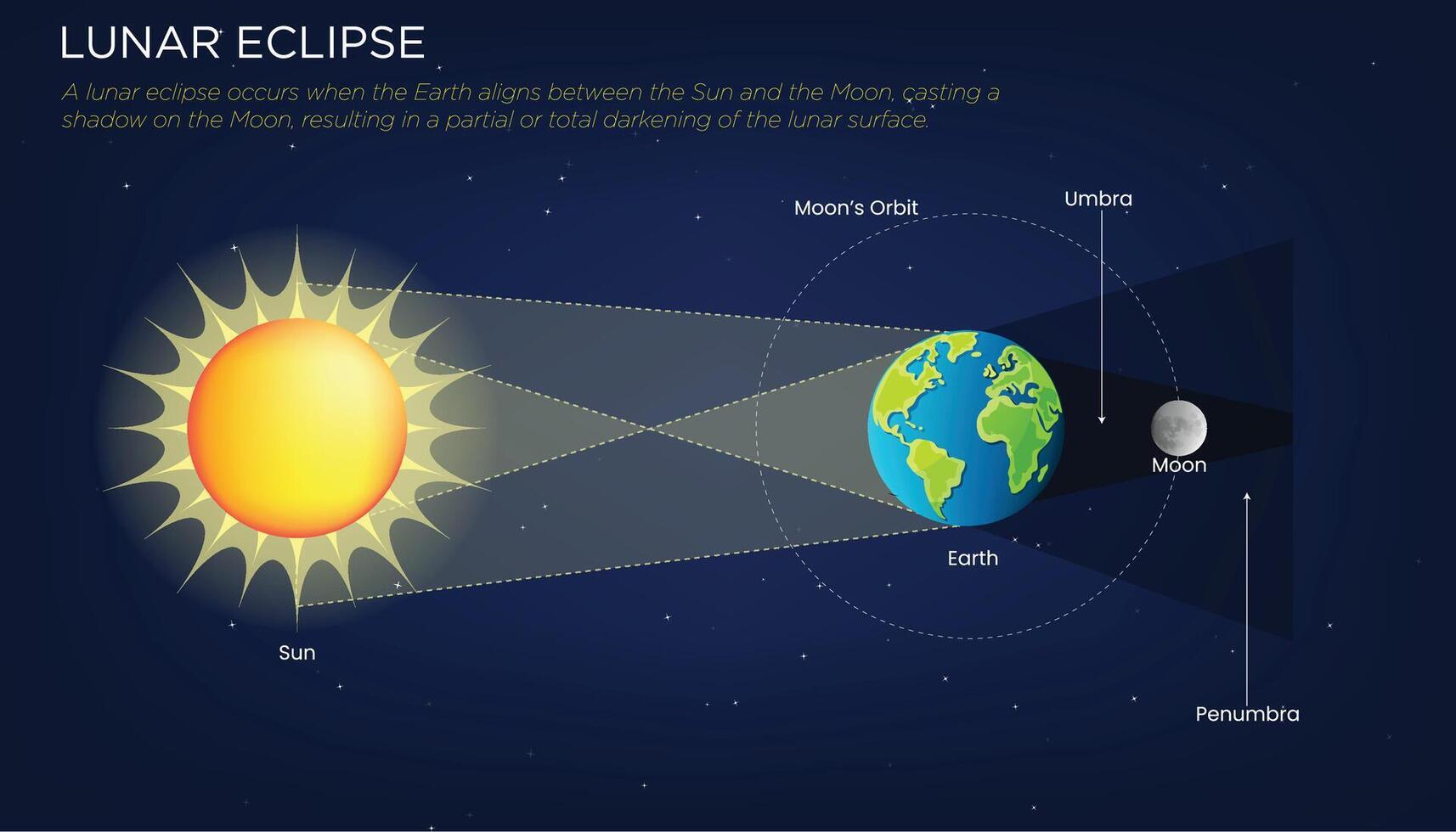
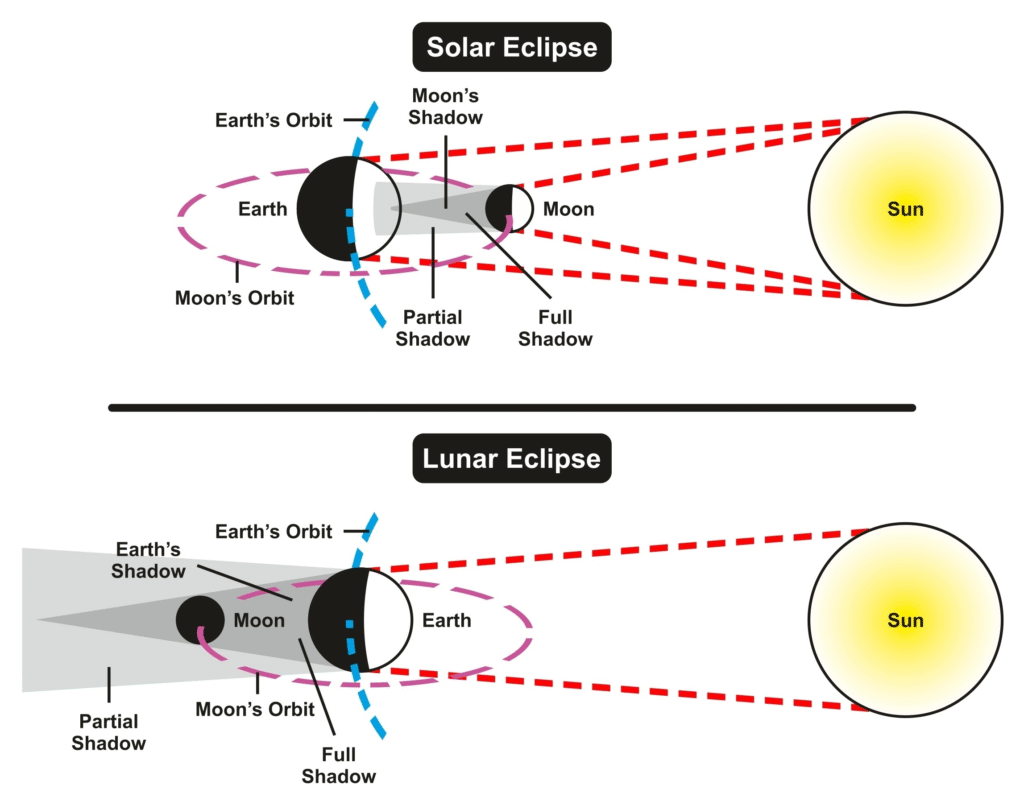
A lunar eclipse occurs when the Earth positions itself directly between the Sun and the Moon. This specific alignment blocks direct sunlight from illuminating the lunar surface. Instead, the Earth casts its shadow across the moon. Depending on the exact trajectory, the event can manifest as a total, partial, or penumbral eclipse.
For the upcoming Lunar Eclipse 2026 India, citizens are preparing for a unique viewing experience. The depth to which the moon enters the Earth’s shadow will determine the visual impact for skywatchers across the subcontinent.
Exact Chandra Grahan Timings and Phases
Tracking the precise schedule is essential for observing the eclipse. According to astronomical predictions and space agencies like NASA, the event will unfold over several hours.
Here are the key timings in Indian Standard Time (IST):
- Eclipse Begins: 15:20 (3:20 PM)
- Totality Starts: 16:34 (4:34 PM)
- Totality Ends: 17:33 (5:33 PM)
- Eclipse Ends: 18:48 (6:48 PM)
These distinct phases mark the moon’s journey through the Earth’s penumbra and umbra. The totality phase is generally considered the most visually striking portion of the event.
Visibility Across Different Indian Regions
Weather conditions and geographical location heavily influence eclipse visibility. The India Meteorological Department (IMD) has provided specific updates regarding regional viewing opportunities.
Most regions in India will observe the ending phases of the lunar eclipse right at moonrise. However, observers in parts of North-East India and the Andaman and Nicobar Islands will have a slight advantage. In these eastern territories, the end of the totality phase will be briefly visible before the eclipse concludes.
Dr. Debiprosad Duari, former director of research and academics at the MP Birla Planetarium, clarified the Indian viewing experience. He noted that skywatchers in India will primarily witness a partial phase. This happens because the moon will remain below the horizon during the full eclipse phase for most of the country.
Global Viewing Opportunities
While the Indian subcontinent will catch the tail end of the celestial event, other regions will enjoy a complete view. The full total eclipse will be prominently visible across North America, Australia, and the broader Pacific region.
The Science Behind the Blood Moon Phenomenon
During the peak of a total lunar eclipse, the moon often transforms into a striking reddish-orange hue. People commonly refer to this captivating visual as a “Blood Moon.”
This color change relies entirely on the Earth’s atmosphere. As sunlight passes through our atmospheric layer, it bends and filters. Shorter wavelengths, such as blue and violet, scatter in multiple directions. Meanwhile, longer wavelengths like red and orange push through the atmosphere and reach the lunar surface. This natural filtration process gives the eclipsed moon its famous copper tint.
Cultural Significance and Temple Closures
Beyond its scientific importance, a Chandra Grahan holds deep cultural and religious significance in India. Many communities observe traditional practices passed down through generations.
During the eclipse period, often called the Sutak Kaal, individuals frequently choose to fast. Many also avoid starting new tasks or cooking meals until the eclipse passes.
Religious institutions also alter their schedules. Prominent temples across Uttar Pradesh announced closures in observance of the eclipse. Notable sites including the Ram temple in Ayodhya, the Kashi Vishwanath temple in Varanasi, the Shri Krishna Janmabhoomi temple, and the Vindhyavasini temple in Mirzapur shut their doors to devotees. These sacred spaces are scheduled to reopen in the evening after priests perform specific purification rituals.
How to Safely Watch the Lunar Eclipse
Observing a lunar event requires far fewer precautions than a solar eclipse. You can safely view a lunar eclipse with the naked eye. The light reflecting off the moon during an eclipse is significantly dimmer than standard moonlight, posing no threat to human vision.
For the best experience, astronomers recommend finding a viewing spot far from city lights. Minimizing light pollution allows your eyes to adjust to the dark, making the subtle color changes on the lunar surface much easier to detect. Using a standard pair of binoculars or a small amateur telescope can further enhance the viewing experience, bringing the cratered surface into sharp focus.
Final Preparations for Skywatchers
As the date approaches, amateur astronomers should monitor local weather forecasts. Cloud cover remains the biggest obstacle to a clear viewing experience. Preparing a comfortable viewing area and checking moonrise timings for your specific city will ensure you don’t miss the visible phases of the eclipse.
To learn more, follow Shabdsanchi’s social media pages today and stay updated.
- Facebook: shabdsanchi
- Instagram: shabdsanchiofficial
- YouTube: @shabd_sanchi
- Twitter: shabdsanchi