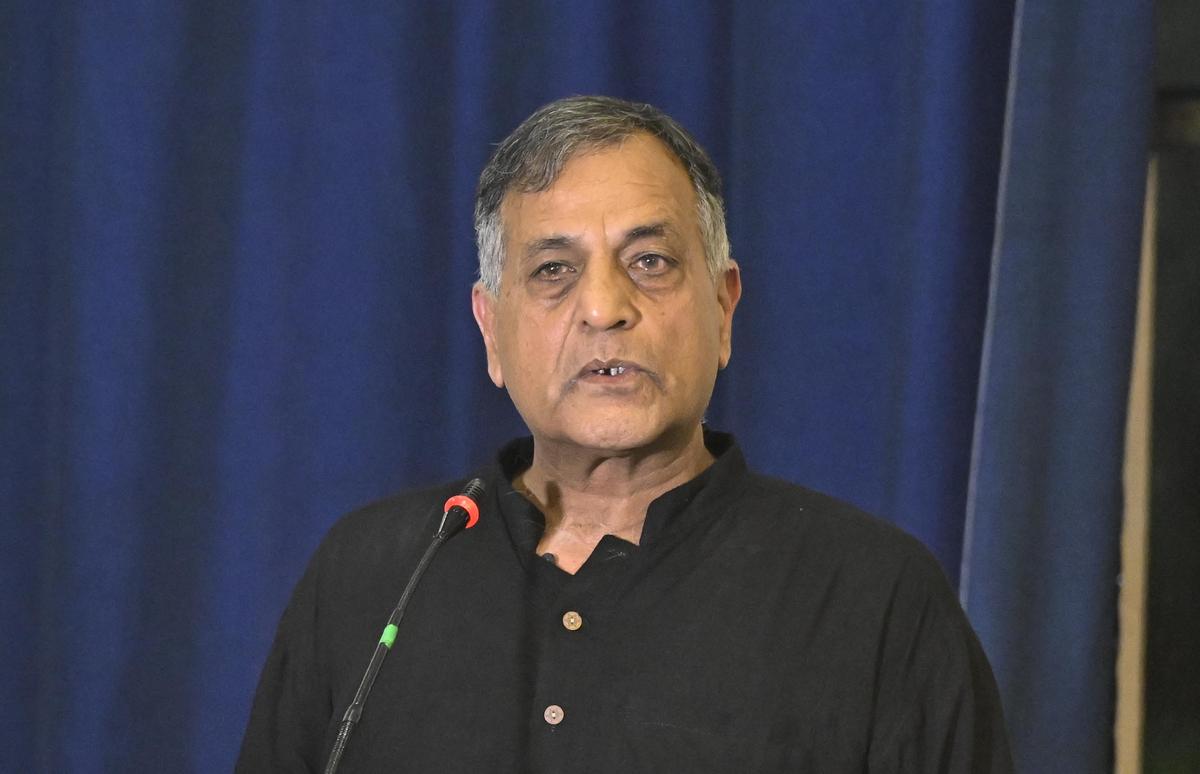
The political landscape in West Bengal and New Delhi witnessed a massive upheaval following the unexpected TMC rebels NCPI merger, involving 20 dissident Members of Parliament. This dramatic shift occurred right before the upcoming parliamentary session, altering floor equations and triggering a sharp war of words between the Trinamool Congress and the Bharatiya Janata Party.
The ruling Trinamool Congress (TMC) did not mince words while reacting to the development, calling the faction’s legal maneuver to align with the Nationalist Citizens Party of India (NCPI) completely “ridiculous.” Senior leadership from the ruling camp claimed that the breakaway group is simply attempting to evade the strict provisions of the anti-defection law. The parent party has already reached out to Lok Sabha Speaker Om Birla, demanding that the rebels face immediate disqualification rather than being recognized as a separate group.
Conversely, the Bharatiya Janata Party (BJP) welcomed the development, noting that the massive exodus reflects a deep-rooted ideological vacuum within the regional outfit. According to senior BJP strategists, the rebellion is an organic fallout of growing internal discontent and strategic mismanagement following recent electoral shifts in West Bengal. Factional rivalries and differing viewpoints regarding central leadership methods are cited as primary catalysts driving this unprecedented parliamentary division.
The Legal Framework of the Defection
The dissident camp, featuring several high-profile lawmakers, asserted that their faction comprises more than two-thirds of the total elected TMC representatives in the Lower House. Under the Tenth Schedule of the Constitution of India, a legislative split is no longer valid on its own unless the breakaway faction merges with another registered political entity. This specific constitutional requirement explains why the group strategically chose to align with an obscure, Tripura-based registered unrecognised party like the NCPI.
By securing exactly 20 out of 28 Lok Sabha seats, the rebel camp sits just above the mandatory legal threshold required to shield themselves from unseating. Legal experts suggest that the group intends to use this temporary alignment to preserve their legislative status before eventually claiming ownership of the original party symbol. However, independent constitutional authorities have voiced skepticism, highlighting that a legislative unit cannot independently execute an organizational merger without central party consent.
Shifting Balance in the Lower House
The immediate fallout of this development will significantly bolster the treasury benches during crucial legislative votes. The 20 dissident parliamentarians have formally requested the Lok Sabha Speaker to rearrange their seating from the opposition benches to the ruling National Democratic Alliance (NDA) side. This numeric boost provides the governing coalition with comfortable breathing room, moving them closer to a more stable legislative position.
+---------------------------+-----------------+
| Party Faction Status      | Lok Sabha Seats |
+---------------------------+-----------------+
| Rebel Faction (NCPI Bound)| 20              |
| Loyal TMC Faction         | 8               |
| Total Original Strength   | 28              |
+---------------------------+-----------------+
Meanwhile, the parent organization has initiated an immediate structural overhaul to contain the damage within its ranks. Key organizational posts previously managed by the rebel MPs have been reassigned to trusted loyalists to ensure local organizational continuity. Observers believe that while the core organizational network in West Bengal remains under the high command’s control, losing a substantial chunk of national representatives presents a severe narrative challenge.
Understanding the TMC Rebels NCPI Merger Strategy
The decision to select the little-known Nationalist Citizens Party of India was primarily driven by strict anti-defection rules rather than any shared political ideology. The move underscores how political factions leverage technical loopholes within the anti-defection framework to sustain numbers without inviting immediate mid-term disqualification.
BJP Flags Growing Ideological Vacuum
The saffron camp pointed out that the split proves the regional party is suffering from a massive ideological vacuum. Leaders stated that an organization built purely around anti-incumbency without a cohesive national vision will naturally splinter when structural pressure builds.
Constitutional Challenges Ahead for the Dissidents
Despite crossing the numeric threshold, the breakaway bloc faces a tough legal battle in the courts. Senior advocates argue that the Supreme Court’s recent rulings clearly differentiate between a legislative split and an actual organizational merger, which could complicate the rebels’ plans.
FAQs
What is the primary cause behind the TMC rebels NCPI merger?
The TMC rebels NCPI merger was executed by 20 dissident Trinamool Congress Lok Sabha MPs to technical bypass the strict provisions of the anti-defection law under the Tenth Schedule. By constituting more than two-thirds of the party’s original legislative strength in the lower house, the group can merge with another registered political entity without facing mid-term disqualification.
What is the Nationalist Citizens Party of India (NCPI)?
The NCPI is a minor, registered unrecognised regional political party established in early 2023. Based out of West Bengal’s Howrah district with a limited active presence in Tripura and Assam, it became the strategic vehicle for the breakaway faction due to its clean institutional status under Election Commission records.
How does this split impact the ruling NDA coalition in Parliament?
The alignment of the 20 breakaway parliamentarians significantly alters the floor balance, boosting the legislative cushion of the BJP-led National Democratic Alliance (NDA). This structural addition provides the ruling benches with more stable support for passing critical legislative bills during joint sessions.
What legal counter-strategy is the Trinamool central leadership pursuing?
The loyalist faction led by the party high command has submitted formal representations to Lok Sabha Speaker Om Birla. They argue that a legislative split does not automatically translate into an organizational merger of the core political party, citing recent landmark Supreme Court verdicts to demand immediate disqualification of the breakaway members.
Will the rebel faction eventually claim ownership of the original TMC identity?
Yes, senior rebel leaders have explicitly indicated that joining the NCPI is an interim technical requirement. The group plans to formally stake a claim as the “real Trinamool Congress” ahead of the upcoming parliamentary session based on their clear two-thirds legislative majority, pushing the ultimate decision toward constitutional benches.
For more information, follow Shabdsanchi‘s social media pages today and stay updated.
- Facebook: shabdsanchi
- Instagram: shabdsanchiofficial
- YouTube: @shabd_sanchi
- Twitter: shabdsanchi