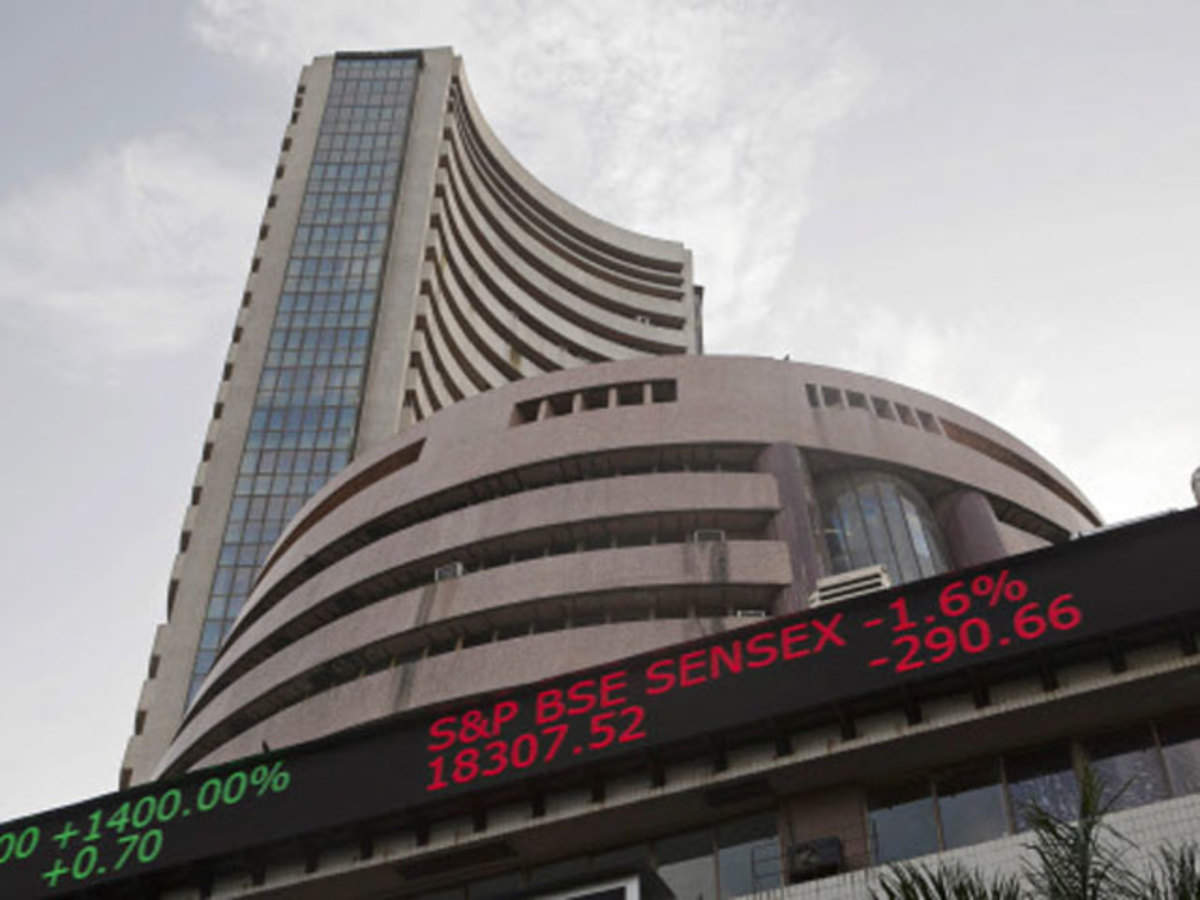
Indian stock exchanges have halted all trading activities today to mark the festival of colours. However, this stock market holiday on Holi has triggered noticeable confusion among investors and traders. While official financial institutions observe the closure on Tuesday, multiple states across the country are scheduled to celebrate the main festival on Wednesday.
Trading Halt Across Major Stock Exchanges
Both the National Stock Exchange (NSE) and the Bombay Stock Exchange (BSE) declared a full trading holiday for March 3. Investors will not see any activity in the primary equity markets today. Furthermore, trading remains entirely suspended in the equity derivatives segment. The securities lending and borrowing (SLB) segments are also observing a complete pause. Trading operations are scheduled to resume their normal cycle on Wednesday morning.
Commodity Markets Follow Mixed Schedules
Unlike the primary stock exchanges, India’s commodity markets are following a slightly different operational schedule. The Multi Commodity Exchange of India (MCX), which stands as the country’s largest non-agricultural commodity bourse, remains shut for the morning session. This closure affects trading between 9:00 AM and 5:00 PM.
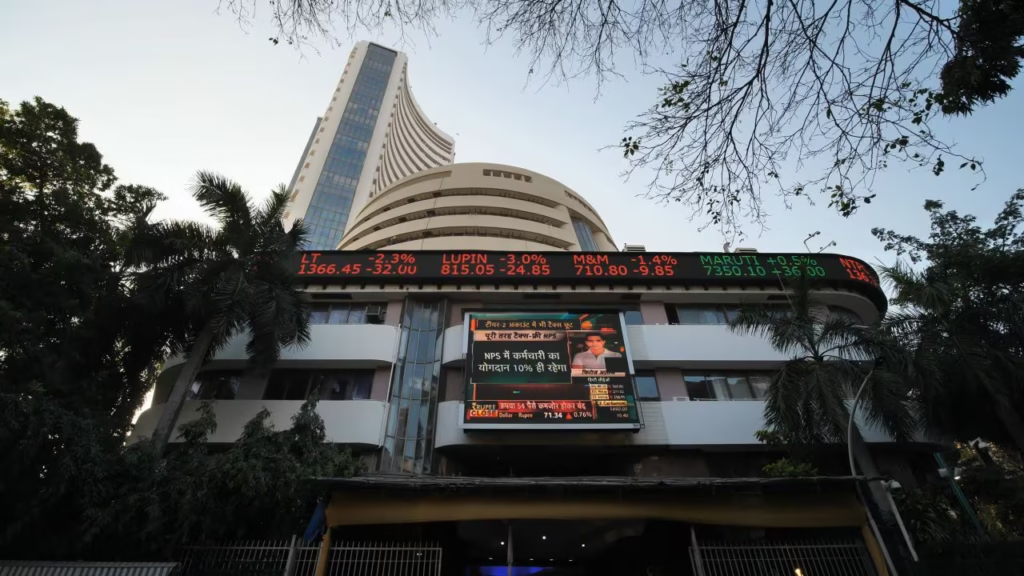
However, MCX will reopen its platform for the evening session, allowing trades from 5:00 PM to 11:55 PM. Conversely, the National Commodity and Derivatives Exchange (NCDEX) has opted for a complete shutdown. There will be no trading activity on the NCDEX platform for the entire day.
Date Discrepancies Spark Trader Frustration
The specific scheduling of the stock market holiday on Holi has become a subject of intense debate. The core issue stems from regional variations in festival observation. Holika Dahan took place late on March 2 in many regions, pushing the actual colour-playing festivities to March 4 for a large portion of the country.
Consequently, several market participants have questioned the logic behind a Tuesday market closure. Many traders feel that the holiday fails to align with the actual day of widespread celebration, making the trading break counterproductive for those wishing to participate in the festivities.
Voices from the Trading Community
Discontent within the trading community has surfaced prominently on social media platforms. Taking to X (formerly Twitter), market participant Sharad Jhunjhunwala expressed severe frustration over the scheduling mismatch. He questioned the utility of festival holidays if they are allocated on the wrong dates.
Jhunjhunwala pointed out that similar scheduling issues occurred during Diwali last year. In protest, he suggested a voluntary trading boycott on March 4. He urged fellow retail traders to step away from their terminals, challenging institutional investors to generate market liquidity on their own during the actual festival day.
RBI Holiday Matrix Highlights Regional Variations
The underlying cause of this scheduling friction lies in the complex holiday matrix maintained by the Reserve Bank of India (RBI). The central bank’s official calendar reflects deep regional variations across different states.
According to the RBI schedule, Holika Dahan was officially listed for March 2. Tuesday, March 3, is designated for Holi (Second Day), Dol Jatra, or Dhulandi in specific regions. Meanwhile, March 4 is separately recognised as Dhuleti or Yaosang in other states. This fragmented holiday structure forces national exchanges to pick a single operational pause, inevitably leaving some regions out of sync.
Expert Calls for Extended Market Closure
The scheduling debate has drawn commentary from prominent financial voices. Samir Arora of Helios Capital publicly argued that the markets should remain shut on Wednesday as well. He noted that the festival will see its widest participation across the country on that day.
Beyond cultural reasons, Arora highlighted a strategic financial benefit to an extended closure. A two-day trading pause would provide investors with much-needed breathing room. It would allow clearer visibility regarding the unfolding geopolitical developments, specifically the escalating Iran conflict, thereby preventing unnecessary and knee-jerk market volatility.
Global Tensions Trigger Massive Market Plunge
The debate over the holiday schedule arrives on the heels of a brutally volatile start to the trading week. On Monday, benchmark indices witnessed a severe bloodbath. A broad global risk-off sentiment swept through Dalal Street, directly linked to rapidly escalating military tensions in the Middle East.
Investors aggressively dumped equities as fears of a broader conflict involving Iran gripped global markets. This geopolitical anxiety overshadowed domestic economic indicators, leading to panic selling across large-cap, mid-cap, and small-cap segments alike.
Sensex and Nifty Record Sharp Declines
The sheer scale of Monday’s sell-off was historically significant for the current quarter. The Nifty 50 index plunged by 312 points, translating to a steep 1.24% decline, to finally close at 24,865. The BSE Sensex mirrored this bearish momentum, crashing by a massive 1,048 points to settle at the 80,238 mark.
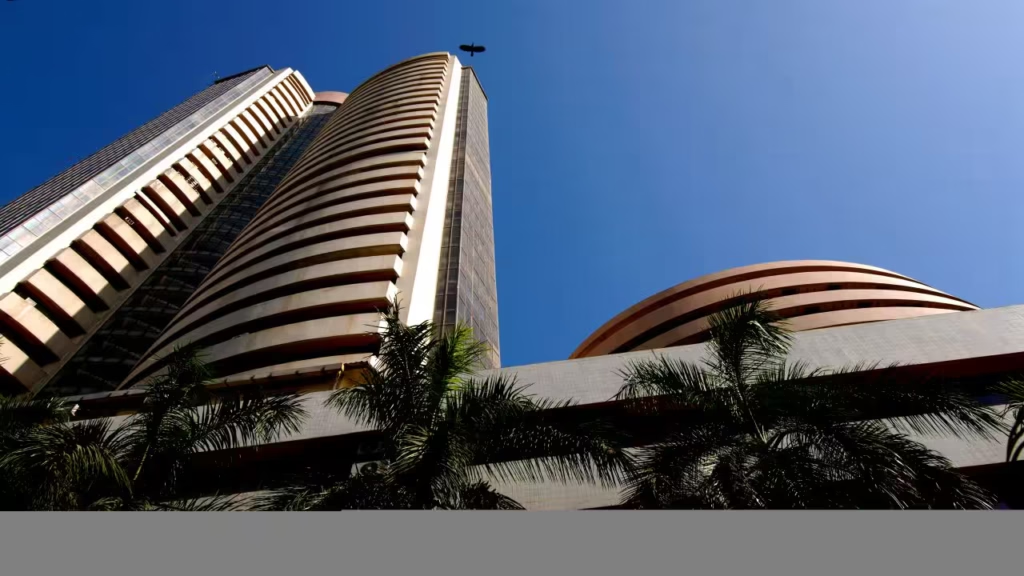
At their lowest intraday levels, both major benchmark indices had declined by more than 2%. Heavyweight stocks, particularly Larsen & Toubro and Reliance Industries, acted as major drags on the Nifty index. InterGlobe Aviation also emerged among the top percentage losers for the session.
Broader Markets Face Intense Selling Pressure
The pain was not restricted to blue-chip companies. The broader markets absorbed even heavier blows during the Monday trading session. The Nifty Midcap 150 index dropped by a sharp 1.7%. Similarly, the Nifty Smallcap 250 index tumbled by 1.9%, indicating widespread fear among retail investors who heavily populate these segments.
Market breadth was overwhelmingly negative. Twelve out of the fifteen sectoral indices on the National Stock Exchange ended the day in the red. Auto and energy stocks led the downward spiral. However, a few defensive sectors managed to buck the broader trend, with defence, metal, and pharmaceutical stocks showing rare resilience amid the widespread market carnage.
To learn more, follow Shabdsanchi’s social media pages today and stay updated.
- Facebook: shabdsanchi
- Instagram: shabdsanchiofficial
- YouTube: @shabd_sanchi
- Twitter: shabdsanchi