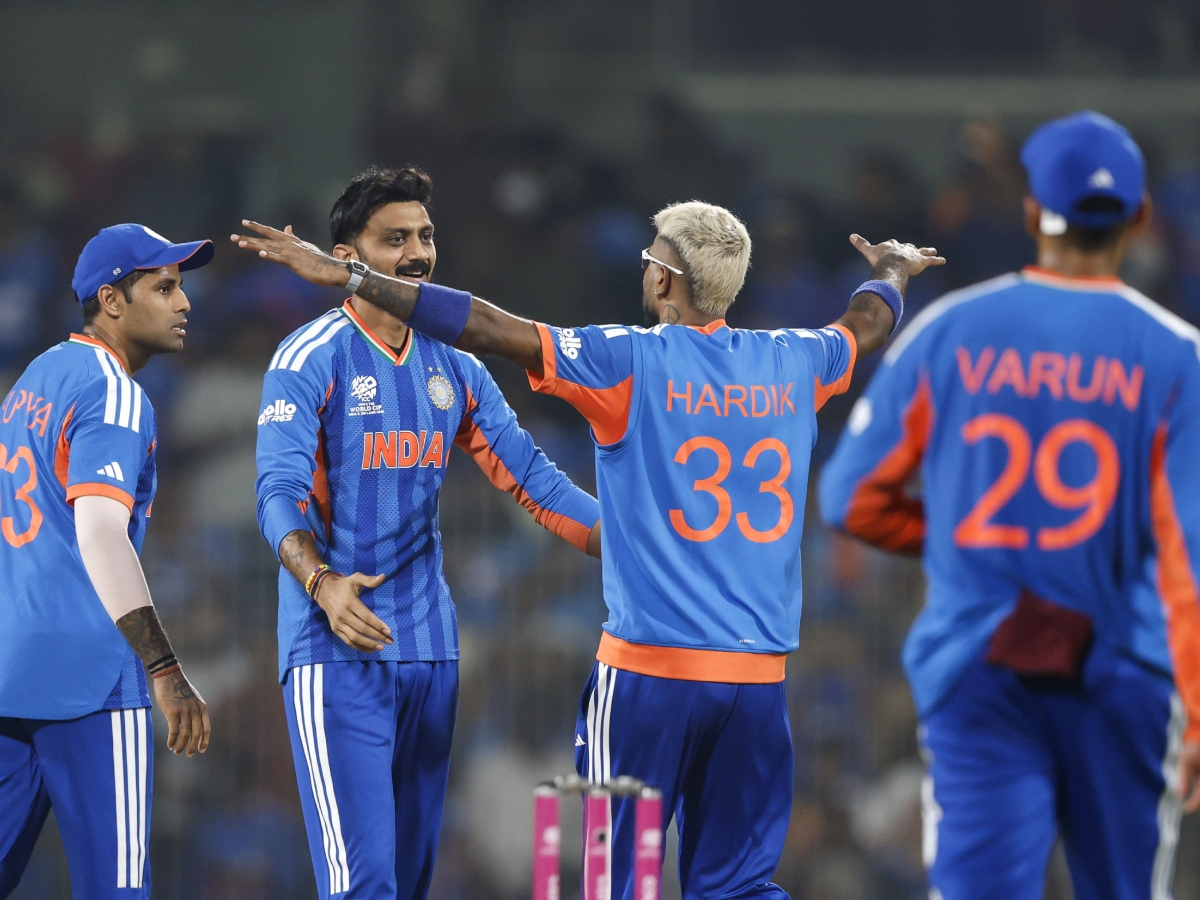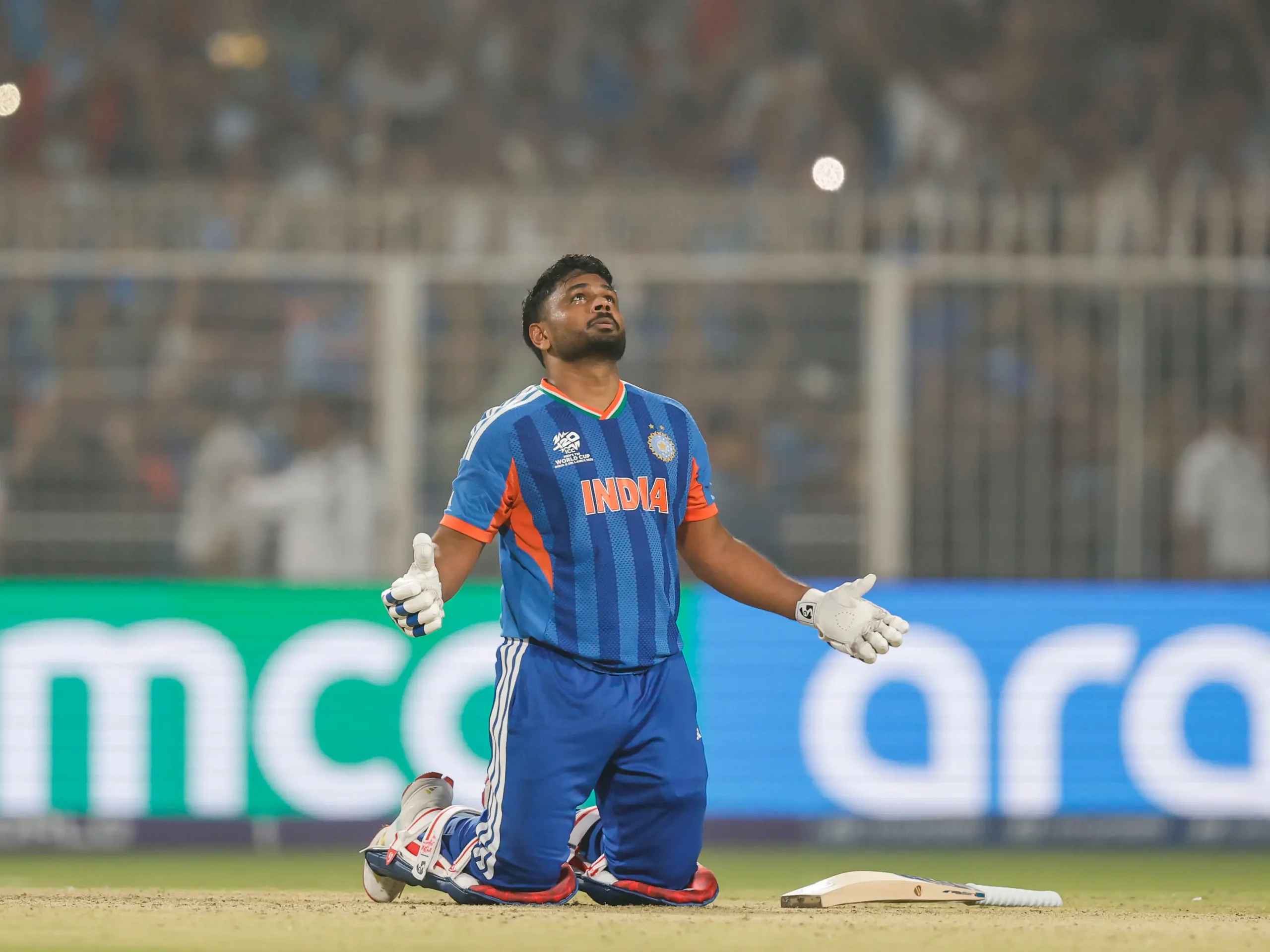
The much-debated Sanju Samson batting form has made a spectacular return at a crucial juncture for Team India. During a high-pressure T20 World Cup quarter-final against the West Indies, the dynamic wicketkeeper-batter showcased his trademark stillness, cementing his value as a premier match-winner.
Overcoming Technical Struggles and Early Setbacks
For a significant period leading up to the T20 World Cup, Sanju Samson found himself caught in a challenging rut. It was not merely a phase of low scores, but a concerning pattern of early dismissals. He was getting out to similar deliveries, radiating a sense of hurried and harried movements at the crease. This was a stark contrast to the defining feature of his game: absolute stillness.
During the series against New Zealand, his struggles were evident. Critics were quick to scrutinize his technique against pace bowling. His trigger movement—stepping leg-side and deep into his crease—was labeled by some as fundamentally unsound. It often caused his weight to shift away from the ball, forcing his bat to slice across the line. This mechanical flaw left him vulnerable, putting him at a constant risk of mistiming the ball.
Consequently, his place in the starting XI became uncertain. He spent time bouncing between the playing squad and the bench, a frustrating experience for a player earmarked as India’s first-choice opener-keeper for the tournament.
The Return of the Trademark Stillness
However, the tide turned dramatically in Kolkata. Facing a daunting target of 196 against the West Indies, the authentic Sanju Samson batting form was on full display. The pivotal moment arrived in the seventh over against the tall and imposing Jason Holder.
Holder delivered a hard-length ball, hidden well outside the off-stump, designed for defensive containment. Instead of rushing, Samson exhibited his signature stillness. He waited interminably for the ball to arrive, rose gracefully to the tips of his toes to counter the bounce, and swatted it between the bowler and mid-off. There was minimal movement, just a seamless swivel through the hips synchronized with a flawless downswing. It was a moment where apparent stillness translated into apparent effortlessness.
A Masterclass in Adaptability and Game Awareness
What made this innings exceptional was not just the strokeplay, but the situational awareness. In his previous outing against Zimbabwe, Samson adopted an ultra-aggressive approach from ball one, launching bowlers over long-off to set a massive total.
The West Indies chase, however, demanded a different tempo. India was losing wickets at regular intervals, forcing Samson to curb his natural, skyward instincts. He deliberately eased off the pedal, focusing on building partnerships and prioritizing ground strokes.
Despite this calculated restraint, his scoring rate remained phenomenal. He blazed to 24 off just 13 deliveries during a tricky powerplay. Later, he dismantled the spinners, scoring 37 off 17 balls, while the rest of the Indian lineup struggled to find momentum against the turning ball. He concluded his innings having faced 50 balls, maintaining the highest strike rate among all Indian batters who faced at least five deliveries.
Adjusting the Base: The Coaching Intervention
The technical turnaround was not accidental. Indian batting coach Sitanshu Kotak shed light on the behind-the-scenes work that facilitated this resurgence. According to Kotak, the coaching staff had engaged in extensive discussions with Samson to refine his initial movements.
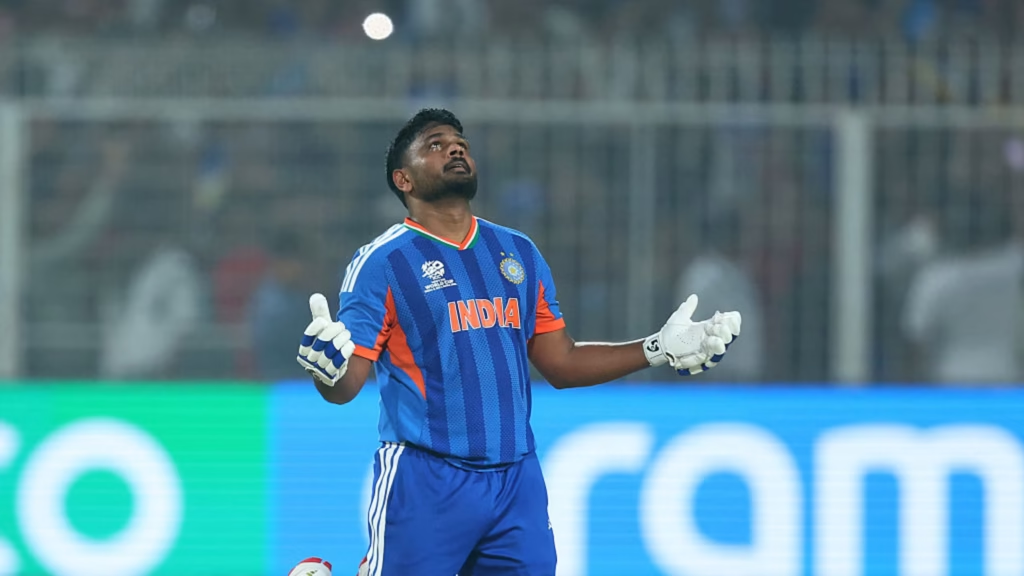
The primary goal was to create a more stable base. Samson had developed a tendency to get ready a fraction too early, which disrupted his rhythm. By adjusting the timing of his trigger movement, he ensured that when the ball left the bowler’s hand, he was in a perfectly balanced position. He could now efficiently shift his weight forward or backward as the delivery demanded.
Kotak also highlighted the psychological toll of bad form. When a batter struggles, they are often bombarded with well-intentioned but conflicting advice. This noise can create severe self-doubt in a player’s mind, complicating an already difficult situation.
Silencing Doubts and Securing the Match-Winner Role
In a remarkably candid post-match reflection, Samson acknowledged the mental battles he has fought throughout his career. Having spent considerable time on the fringes of the national team, he admitted to constantly questioning his own abilities and potential to succeed at the highest level.
Yet, his belief persevered. His match-winning performance in Kolkata proved exactly why the Indian management backed him as their Plan A. As an opener, wicketkeeper, and dominant middle-overs enforcer, Samson provides an unmatched balance to the squad. His journey back to peak form may have been circuitous, but his timely resurgence has perfectly positioned Team India for the semi-finals.
To learn more, follow Shabdsanchi’s social media pages today and stay updated.
- Facebook: shabdsanchi
- Instagram: shabdsanchiofficial
- YouTube: @shabd_sanchi
- Twitter: shabdsanchi