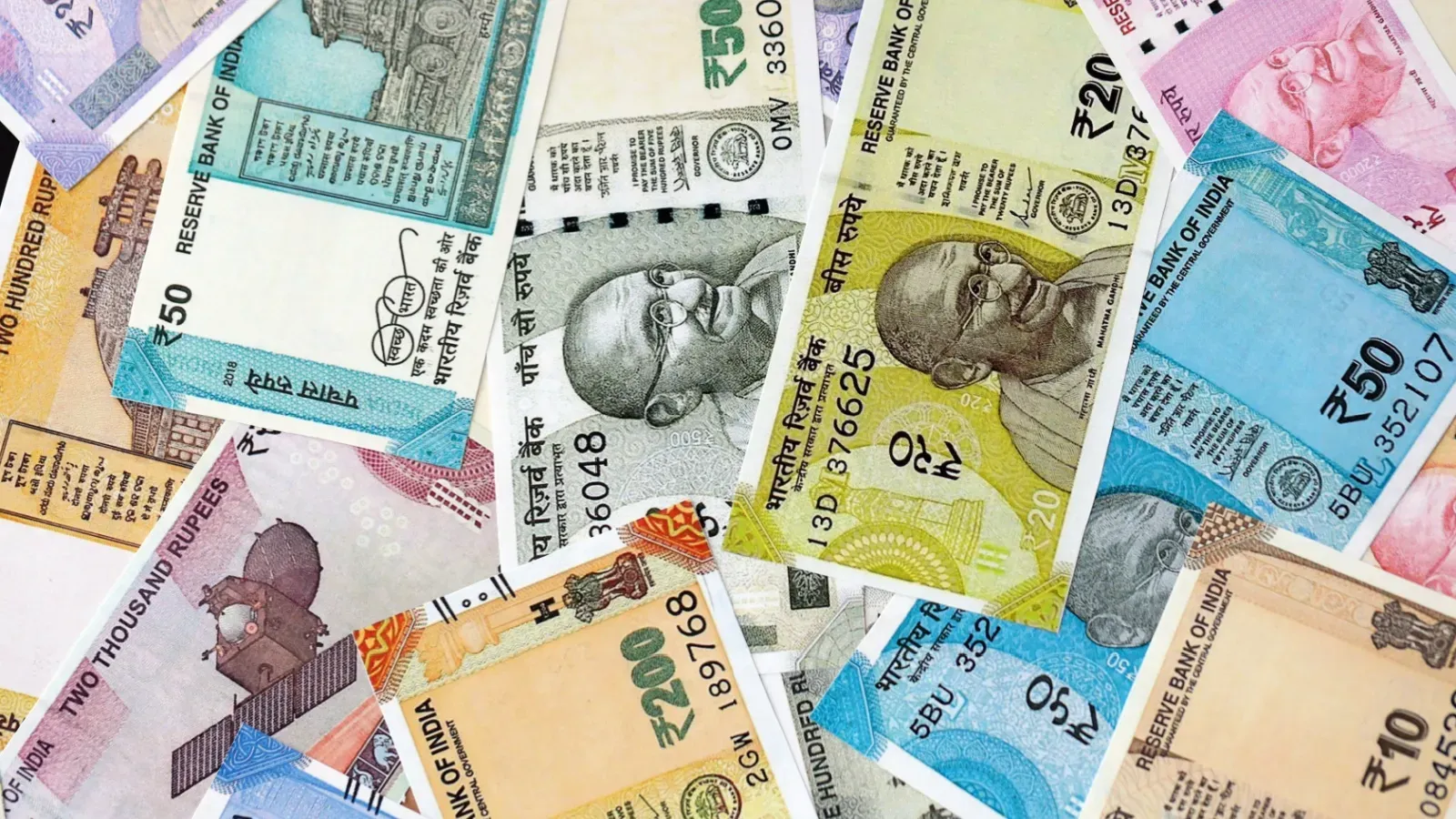
The Reserve Bank of India (RBI) is actively evaluating the feasibility of introducing plastic currency notes to enhance the durability of the country’s physical legal tender. While paper banknotes remain the standard, the central bank is conducting initial research and trials to study how polymer-based alternatives perform in India’s diverse climatic conditions.
Understanding Polymer Banknotes and How They Are Made
Unlike traditional paper bills made from cotton rag, modern plastic currency notes are manufactured from a specialized material called biaxially oriented polypropylene (BOPP). This non-porous polymer film provides a smooth, waterproof surface that prevents the absorption of moisture, dirt, and oil.
The production process involves printing intricate security designs directly onto the clear plastic film, followed by layers of opaque ink. Specialized metallic features, holographic strips, and transparent windows are embedded during the initial stages. This complex manufacturing infrastructure makes counterfeiting significantly more difficult compared to traditional paper substrate printing.
Why India is Testing Plastic Currency Notes?
The primary motivation behind the potential shift to plastic currency notes is their exceptional durability. Traditional paper currency in India faces rapid wear and tear, especially low-denomination notes that change hands frequently in daily retail markets.
Polymer notes last up to four to five times longer than cotton-paper notes. They do not soil easily, resist tearing, and survive accidental exposure to water or washing machines. By extending the lifespan of physical cash, the central bank can substantially reduce the recurring long-term costs associated with printing, transporting, and destroying soiled paper currency.
The Environmental Impact and Lifecycle of Polymer Cash
Environmental sustainability is a major factor driving the global shift toward polymer currency. While plastic generally carries a negative environmental connotation, a comprehensive life-cycle assessment reveals a different story for banknotes.
Because polymer bills last significantly longer, fewer raw materials are consumed, and less energy is used in manufacturing over time. Furthermore, old and worn-out paper notes are typically shredded and sent to landfills or incinerated. In contrast, retired polymer notes can be recycled into raw plastic pellets and repurposed into commercial products like compost bins, plumbing fittings, or industrial pallets.
Security Features of Modern Plastic Banknotes
Counterfeiting remains a persistent challenge for central banks worldwide. Polymer substrates allow for the integration of advanced security mechanisms that are technologically impossible to replicate on standard paper.
- Transparent Windows: Clear, see-through sections that contain detailed, micro-printed holographic images visible from both sides.
- Tactile Features: Raised polymer printing that helps visually impaired individuals identify denominations easily.
- Metameric Inks: Specialized ink patterns that change color or reveal hidden symbols under specific lighting conditions or angles.
These multi-layered security protocols ensure that public trust in physical legal tender remains secure.
Challenges in Deploying Plastic Currency Notes in India
Despite the clear structural benefits, deploying plastic currency notes across a vast and diverse economy like India presents distinct logistical hurdles. The initial production cost of polymer substrate is significantly higher than cotton-based paper, requiring substantial upfront capital investment.
Additionally, India’s extreme climate variations—ranging from the intense heat of the western deserts to the high humidity of coastal regions—require rigorous field testing. The banknotes must remain structurally stable at high temperatures without turning brittle or sticky.
Furthermore, millions of Automated Teller Machines (ATMs) and cash-sorting machines across the country would require mechanical recalibration to seamlessly process the different texture, thickness, and friction profiles of plastic bills.
Global Adoption: Which Countries Already Use Polymer?
The transition away from paper money is already a proven reality in several major economies. Australia was the pioneer in this space, completely replacing its paper currency with polymer banknotes between 1992 and 1996 to combat sophisticated counterfeiting operations.
Since then, the United Kingdom, Canada, New Zealand, and Singapore have successfully transitioned their core denominations to plastic. The empirical data collected from these countries demonstrates a drastic reduction in counterfeit cases and a noticeable drop in annual currency management budgets, serving as a blueprint for India’s current exploratory phase.
The Future of Cash in a Digital India
The exploration of polymer currency comes at an interesting time, as India continues to witness a massive boom in digital payments through the Unified Payments Interface (UPI). However, cash remains an essential tool for financial inclusion, especially in rural areas and among informal economic sectors.
The introduction of resilient physical notes ensures that those who rely on cash have access to clean, secure, and long-lasting money. Rather than competing with digital banking, durable plastic cash serves as a robust physical backup to the country’s evolving digital financial architecture.
Conclusion
According to official central bank tracking documents, India’s exploration into polymer currency remains in the analytical and field-testing stages. No definitive timeline has been finalized for a nationwide rollout, as the government evaluates the economic viability, machine compatibility, and public acceptance of the new format.
FAQs
1. Is RBI replacing traditional paper notes with plastic currency notes by June 30, 2026?
No. The Government of India and the Press Information Bureau (PIB) Fact Check unit have officially confirmed that social media claims regarding the withdrawal of paper currency notes by June 30, 2026, are completely fake. Traditional paper banknotes remain legal tender and will continue to circulate normally.
2. What is the current status of plastic currency notes in India?
The proposal to introduce polymer banknotes is in a preliminary research and evaluation stage. The central bank is analyzing the operational feasibility, cost-effectiveness, and structural performance of plastic notes under India’s varying climatic conditions before proceeding with any field trials or pilot projects.
3. Will existing currency notes become invalid if polymer cash is introduced?
No. If the central bank eventually decides to roll out plastic currency notes, the transition will be gradual. Typically, central banks introduce new note designs alongside older versions, allowing worn-out paper notes to be naturally withdrawn from circulation over time without making existing money invalid overnight.
4. Why are lower-denomination notes being prioritized for initial plastic currency evaluation?
Lower-denomination bills, such as ₹10 and ₹20 notes, change hands most frequently in daily retail markets, causing them to soil, tear, and degrade rapidly. Testing the polymer substrate on these high-velocity denominations allows authorities to accurately assess durability improvements where currency wear and tear is most severe.
For more information, follow Shabdsanchi‘s social media pages today and stay updated.
- Facebook: shabdsanchi
- Instagram: shabdsanchiofficial
- YouTube: @shabd_sanchi
- Twitter: shabdsanchi