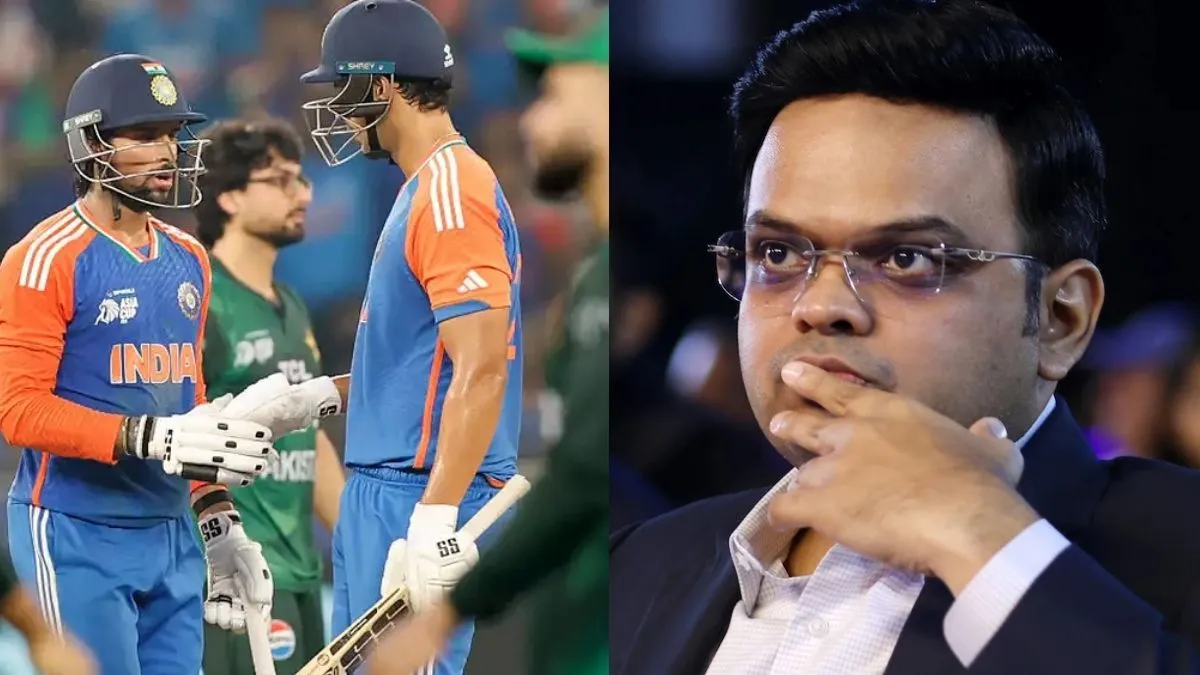
The cricketing world is facing a fresh wave of uncertainty following the Pakistan government’s decision to implement a selective Pakistan boycott India T20 World Cup fixture scheduled for February 15. Citing solidarity with Bangladesh and alleged ICC bias, Islamabad has instructed its national team to skip this high-profile encounter while continuing to participate in the rest of the tournament.
The cricketing world is facing a fresh wave of uncertainty following the Pakistan government’s decision to implement a selective Pakistan boycott India T20 World Cup fixture scheduled for February 15. Citing solidarity with Bangladesh and alleged ICC bias, Islamabad has instructed its national team to skip this high-profile encounter while continuing to participate in the rest of the tournament.
The decision has sparked intense debate over the intersection of sports and politics. According to reports from Geo News, the Pakistan Cricket Board (PCB) received directives to skip the match as a formal protest against the International Cricket Council’s (ICC) refusal to move Bangladesh’s matches out of India. While the official narrative frames this as a stand for “justice and equality,” the global cricketing community is questioning the logic behind a partial withdrawal.
The Logic of a Selective Boycott
A primary point of contention is why the protest is limited to a single match. If the ICC’s decision-making process is fundamentally flawed or biased, a principled stand would traditionally involve a total withdrawal from the event. By choosing to play against other nations, Pakistan ensures it remains eligible for its share of ICC revenues and maintains its standing in the tournament points table.
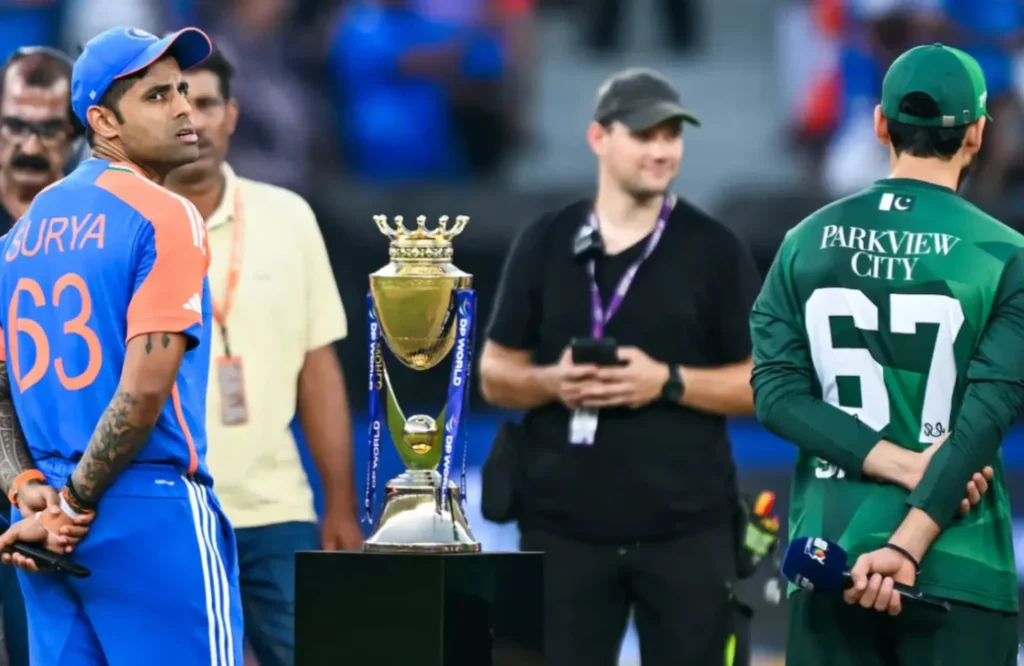
This “pick and choose” approach suggests that the move might be more about domestic political signaling than a genuine attempt to reform international cricket governance. Historically, matches between India and Pakistan are the most lucrative events in any ICC calendar, drawing record-breaking viewership and massive sponsorship deals. Skipping this specific game disrupts the tournament’s commercial heart while allowing Pakistan to avoid the absolute sporting isolation that a full boycott would trigger.
Financial Stakes and ICC Revenue
The financial implications of the Pakistan boycott India T20 World Cup fixture are significant. The ICC operates on a revenue-sharing model where participation in major trophies is crucial for the financial health of member boards. By staying in the competition, the PCB protects its treasury. Critics argue that protesting the governing body while simultaneously accepting its financial benefits exposes a glaring double standard in Pakistan’s administrative strategy.
Impact on Tournament Integrity
The ICC has reportedly urged the Pakistan government to reconsider its stance. International sports tournaments rely on a rigid structure where every qualified team agrees to play against all opponents in their group. Allowing a “selective boycott” sets a dangerous precedent. If other nations begin choosing opponents based on political alignment, the very foundation of competitive international sport could collapse, turning global events into fragmented exhibitions.
A Pattern of Sporting Friction
This is not the first time India-Pakistan cricket relations have hit a stalemate. The two nations have not played a bilateral series in over a decade due to geopolitical tensions. However, they have consistently met in ICC events and the Asia Cup. The current move is seen by many analysts as a tactical escalation in response to India’s long-standing refusal to travel to Pakistan for tournaments like the Champions Trophy.
By framing this protest around the Bangladesh issue, Pakistan is attempting to build a broader regional narrative. However, the lack of support from other participating nations suggests that this strategy may leave the PCB more isolated than the ICC.
Future Repercussions for the PCB
If the boycott stands, the ICC may be forced to take disciplinary action. Forfeiting a match results in a loss of points, but the long-term consequences could include fines or even suspension if it is deemed that the government is interfering unduly in the affairs of the cricket board. The global body’s charter is clear about maintaining the autonomy of sports from political intervention.
To learn more, follow Shabdsanchi’s social media pages today and stay updated.
- Facebook: shabdsanchi
- Instagram: shabdsanchiofficial
- YouTube: @shabd_sanchi
- Twitter: shabdsanchi