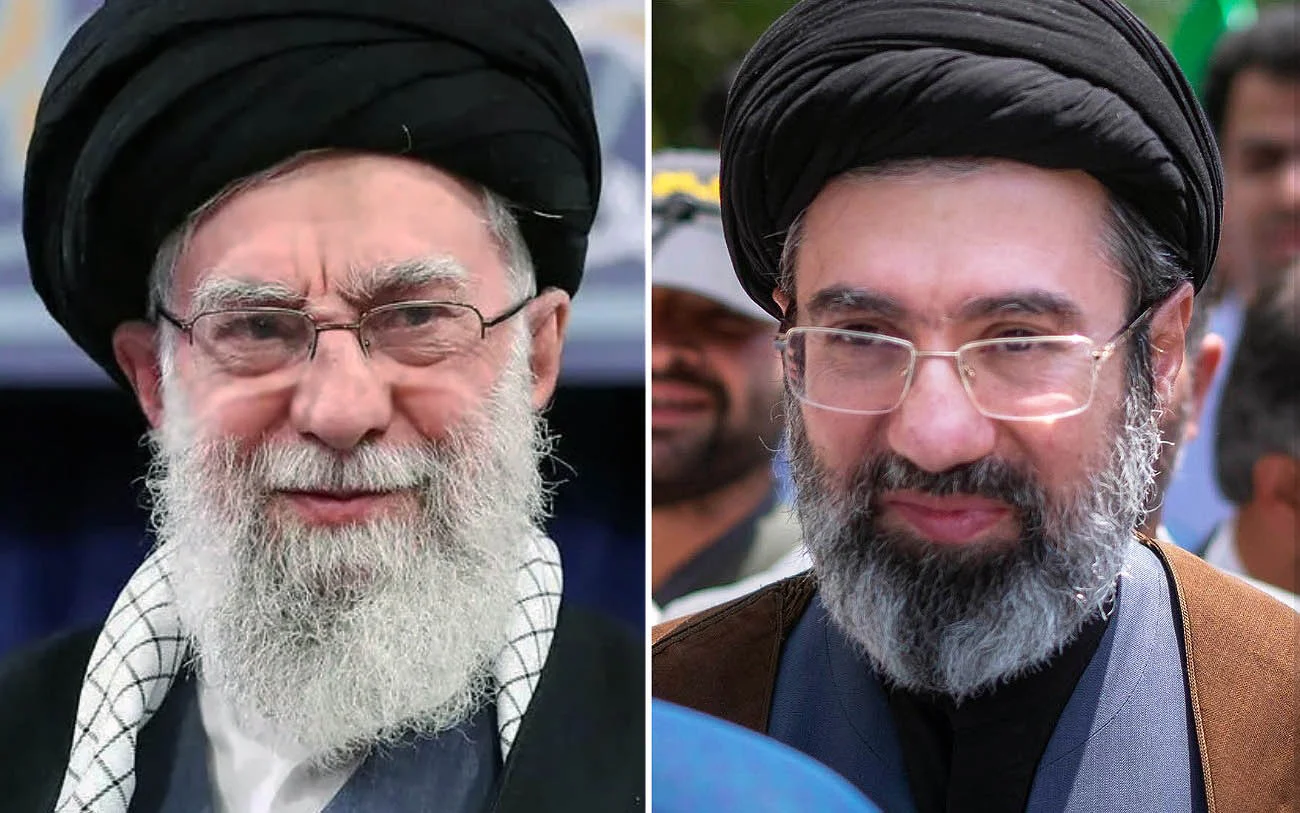
Just over a week after the death of Ayatollah Ali Khamenei, Iran’s Assembly of Experts appointed his son as the new Supreme Leader. However, his complete absence from the public eye has triggered intense speculation globally. Cryptic reports from Iranian state media have left the international community wondering: is Mojtaba Khamenei injured?
The Mystery Behind His Complete Public Absence
The transition of power in Tehran usually follows strict protocols involving public addresses and massive rallies. Following his appointment, Iranian authorities urged citizens to gather in major squares to pledge allegiance to the 56-year-old leader. Thousands indeed gathered in Tehran to show their support.
Yet, the man of the hour was entirely missing from the scene. Mojtaba has not been seen in a single photograph or video since his elevation. He has not released a press statement, held a conference, or made a balcony appearance.
This unprecedented silence during a severe national crisis is unusual. Regional analysts note that even a brief hospital bed address would typically be broadcast to maintain morale. His total absence is fueling ongoing rumors regarding his physical condition and safety.
Why State TV Sparked Rumors That Mojtaba Khamenei Injured
The primary source of the current speculation stems from Iran’s own state broadcasting network. While reporting on his ascension, television anchors referred to him as a “Jaanbaz of the Ramadan war.”
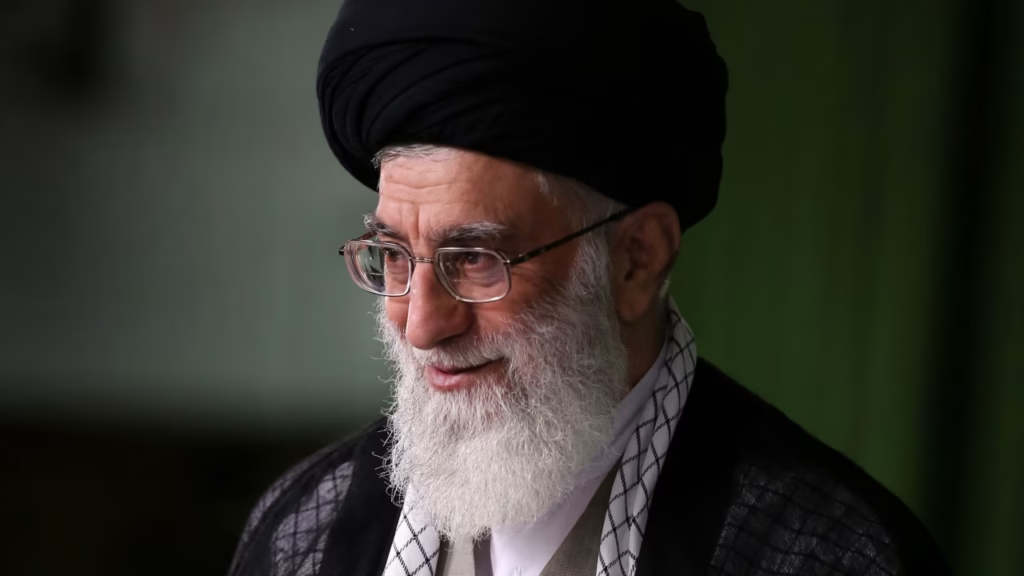
In the Iranian media landscape, the current conflict with the United States and Israel is frequently termed the Ramadan War. The word “Jaanbaz” translates directly to an injured war veteran or someone wounded by the enemy. By officially using this specific terminology without further elaboration, state media inadvertently amplified global suspicions that Mojtaba Khamenei injured his adversaries’ recent strikes.
The Meaning of “Jaanbaz” in Historical Context
While social media channels quickly circulated claims of a severe injury, geopolitical experts urge caution. Some regional analysts suggest the title might not refer to recent events at all.
Mojtaba served in the Islamic Revolutionary Guard Corps (IRGC) as a 17-year-old soldier. He participated in multiple short deployments during the brutal Iran-Iraq War in the 1980s. Therefore, the term “Jaanbaz” might simply be a standard honorific acknowledging his past military service rather than a confirmation of a new wound. However, without credible visual confirmation of his health, the debate continues to rage.
Ties to the IRGC and Hardline Policies
Understanding Mojtaba’s background is crucial to grasping why he is a prime target. Born in September 1969, he is the second of Ali Khamenei’s six children. Over the years, he quietly built immense influence within his late father’s office, the highest power center in the country.
He is widely recognized for his deep and enduring ties to the IRGC. The military group was notably quick to pledge absolute allegiance to him immediately after the Assembly of Experts announced his new role.
Mojtaba is viewed as a staunch hardliner. Western intelligence agencies expect him to ensure strict continuity in Iran’s aggressive regional policies and nuclear ambitions. His rise defied explicit American and Israeli warnings against appointing a successor linked so closely to the IRGC.
US and Israeli Reactions to the New Supreme Leader
The geopolitical fallout from his appointment was immediate and severe. The United States and Israel have openly expressed their hostility toward the new regime head.
US President Donald Trump bluntly labeled the new leader as “unacceptable” to American interests. Speaking to the media, Trump stated that Washington desires someone who will bring harmony to the region, dismissing Mojtaba as a “lightweight” and warning that his tenure will not last long.
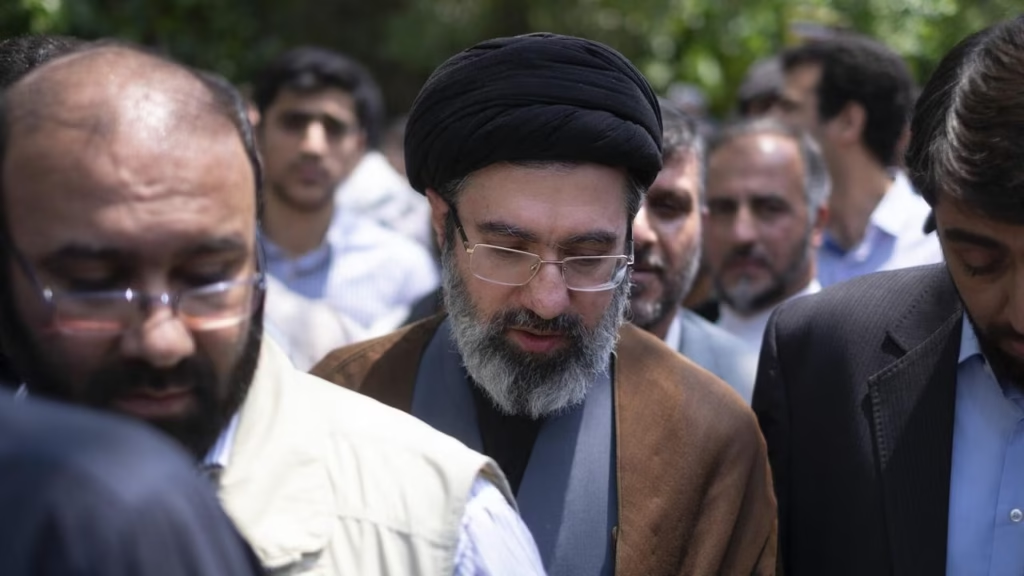
Israel echoed this sentiment, dismissing him as simply another tyrant determined to continue the regime’s brutality. Israeli officials have made it clear that any successor to Ayatollah Khamenei remains a legitimate military target.
Decapitation Warfare and Leadership Targeting
The current phase of the conflict opened with aggressive decapitation strikes by US and Israeli forces. These joint operations aimed to permanently cripple Iran’s command and control structure.
The initial February 28 strikes successfully eliminated Ayatollah Ali Khamenei. The bombing also killed several top military commanders and multiple members of the Khamenei family. Reports indicate that Israeli defense officials view Mojtaba as a primary objective in their ongoing campaign to prevent regime continuity and create domestic instability.
Because of this active targeting, Mojtaba Khamenei is currently the most marked man in the Middle East. Whether he is recovering from injuries sustained in prior airstrikes or simply hiding in a secure bunker to avoid assassination, his leadership begins under a cloud of existential threat.
To learn more, follow Shabdsanchi’s social media pages today and stay updated.
- Facebook: shabdsanchi
- Instagram: shabdsanchiofficial
- YouTube: @shabd_sanchi
- Twitter: shabdsanchi