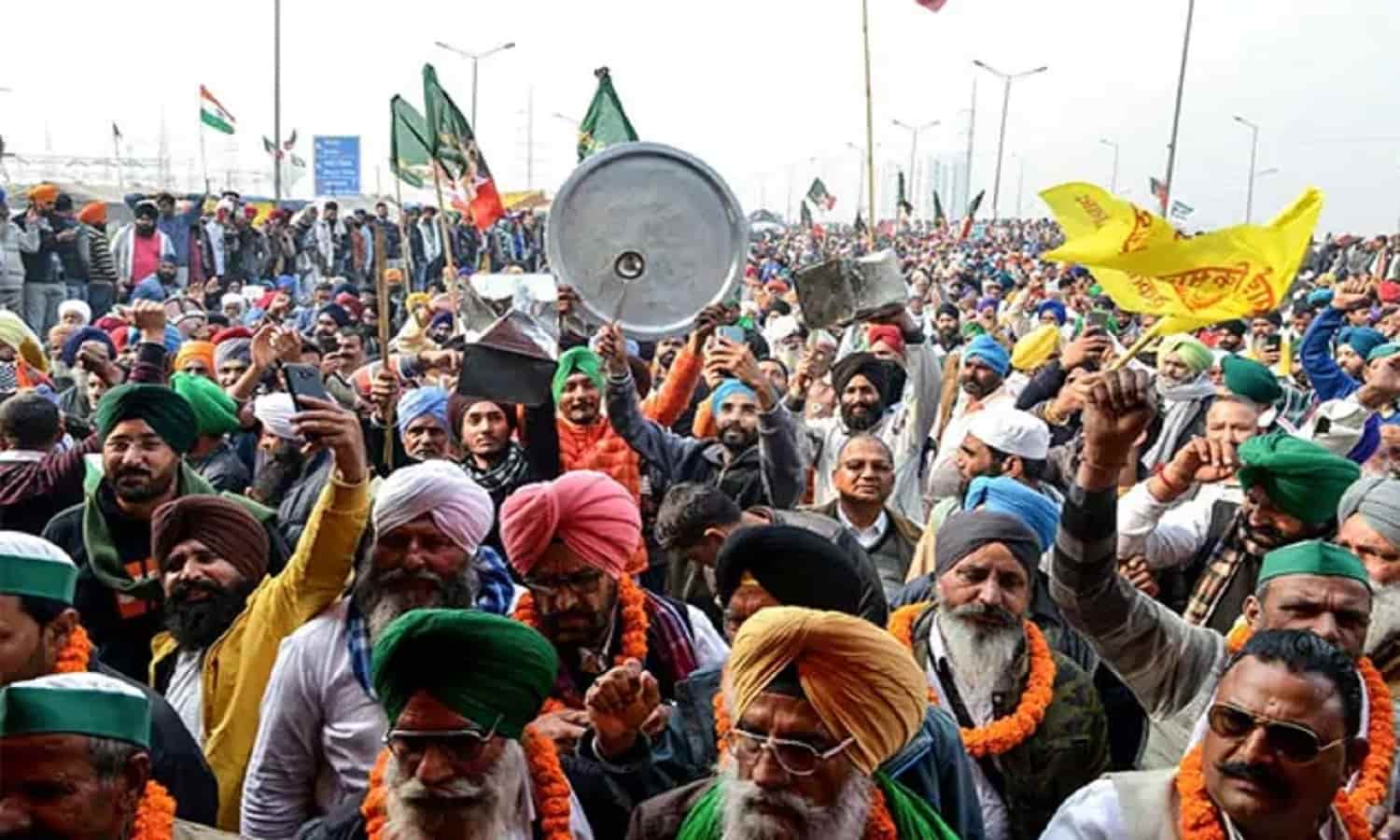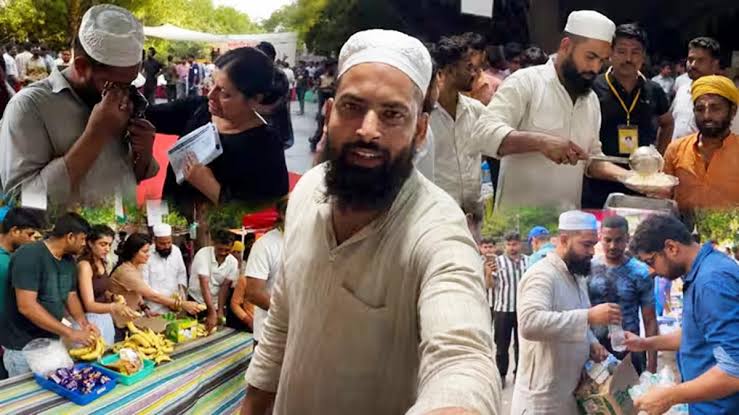
In every democratic society, the line between maintaining law and order and preserving fundamental civil liberties is constantly tested. The latest battleground for this struggle is the Supreme Court of India, where 24-year-old law student Mohammad Junaid has filed a petition alleging unlawful police detention.
Junaid, a key organizer in a major student-led demonstration organized under the banner of the Cockroach Janta Party (CJP), claims he was taken into custody unlawfully just a day before the protest concluded. His story is not merely a political headline; it is a profound narrative of first-generation education, resilience, and the Constitutional right to dissent.
The Power of ‘Ilm’: From Farming Roots to Law School
To understand Junaid’s commitment to activism, one must look at his background. Born to illiterate parents who farmed a modest plot of land outside Ghaziabad, Uttar Pradesh, Junaid was raised with a deep reverence for ilm—the Urdu word for knowledge.
“Whatever else happened, my parents told us we would study. Education was the one gift they could afford to give.”
For Junaid’s family, education was not just about getting a job; it was the ultimate tool to rewrite a family’s destiny. This belief propelled him into law school, equipping him with an understanding of rights, statutes, and social justice. When student grievances escalated into nationwide protests, Junaid saw standing up for fellow students as a natural extension of his education.
The Protest and Alleged Unlawful Detention
The CJP movement quickly grew into one of the largest student mobilizations in recent years, demanding institutional accountability and systemic reforms. As a key volunteer and organizer, Junaid played an active role in managing logistics and student coordination.
However, the situation took a legal turn just before the movement wrapped up.
Key Allegations in the Petition:
- Timing: Junaid alleges he was picked up by police a day before the CJP protest officially ended.
- Custody: He claims he was held overnight, interrogated about his role and organizational network, and released the following day without formal charges.
- Lack of Due Process: The petition highlights that procedures guaranteed under Indian law for detentions were bypassed.
While opposition leaders and human rights organizations have condemned the action, authorities and the Delhi Police have refrained from issuing an official statement regarding the specific allegations.
Legal Implications: Supreme Court’s Role & Civil Liberties
Junaid’s decision to move the Apex Court brings critical legal questions back into the public spotlight. In response to a series of petitions regarding crackdowns on peaceful demonstrators, the Supreme Court of India issued a notable directive: authorities are instructed not to take coercive action against protesters who have no prior criminal record.
Constitutional Rights at Stake
| Article | Right / Protection |
|---|---|
| Article 19 | Right to Freedom of Speech |
| Article 21 | Right to Life & Liberty |
| Article 22 | Protection Against Illegal Arrest & Detention |
Under Indian constitutional jurisprudence:
- Article 19(1)(b) guarantees citizens the right to assemble peaceably and without arms.
- Article 21 protects personal liberty, ensuring no person is deprived of freedom except according to procedure established by law.
- Article 22 lays down strict procedural safeguards against arbitrary arrest and detention.
The Supreme Court’s intervention serves as a temporary safeguard, but the larger constitutional issue regarding the misuse of preventative detention against political activists remains under judicial review.
Wider Crackdown or Standard Law Enforcement?
Junaid’s case is not an isolated incident. Reports from Delhi and adjacent states indicate a broader pattern of friction between state authorities and student organizers.
| Aspect | Protesters’ Stand | Authorities’ Stand |
| Primary Claim | Unlawful detentions used to suppress peaceful dissent. | Measures taken to prevent public disorder and traffic disruption. |
| Legal Action | Seeking withdrawal of all cases against student leaders. | Investigating potential violations of public order regulations. |
| Current Status | CJP threatens renewed strikes if cases aren’t dropped. | Matter sub-judice in the Supreme Court. |
The tension highlights an ongoing dilemma in modern governance: balancing public order with citizen engagement. When law enforcement overreaches, it risks silencing the very youth essential for a vibrant democracy.
Conclusion & The Road Ahead
For Mohammad Junaid, the legal battle is an extension of his parents’ belief in the transformative power of education. Moving the Supreme Court is not just about seeking personal relief; it is about establishing a legal precedent that protects future student activists from intimidation.
As the Supreme Court prepares to hear the petition fully, the outcome will likely send a strong signal regarding the boundaries of state power and the sanctity of constitutional rights in India. As Junaid firmly states, the fight for justice and fundamental freedoms is far from over.
Frequently Asked Questions (FAQs)
1. Who is Mohammad Junaid and why is he in the news?
Mohammad Junaid is a 24-year-old law student and student activist who has approached the Supreme Court of India, alleging that he was unlawfully detained by police due to his leadership role in the Cockroach Janta Party (CJP) student protest.
2. What are the key directives issued by the Supreme Court in this matter?
The Supreme Court has directed authorities not to take any coercive action against protesters who do not have a prior criminal record while it reviews the petitions concerning police action during the demonstrations.
3. What constitutional rights are central to Junaid’s Supreme Court petition?
The case primarily revolves around Article 19 (Freedom of Speech and Peaceful Assembly), Article 21 (Protection of Life and Personal Liberty), and Article 22 (Protection against Arbitrary Arrest and Detention).
4. How have the police responded to these allegations?
As of the latest updates, the Delhi Police has not issued an official response to the specific allegations or media inquiries regarding Junaid’s detention.
5. What is the CJP’s current demand regarding the protesters?
The Cockroach Janta Party (CJP) has demanded the complete withdrawal of all cases registered against peaceful student demonstrators, warning that protests will resume if their demands are not met.
For more information, follow Shabdsanchi‘s social media pages today and stay updated.
- Facebook: shabdsanchi
- Instagram: shabdsanchiofficial
- YouTube: @shabd_sanchi
- Twitter: shabdsanchi