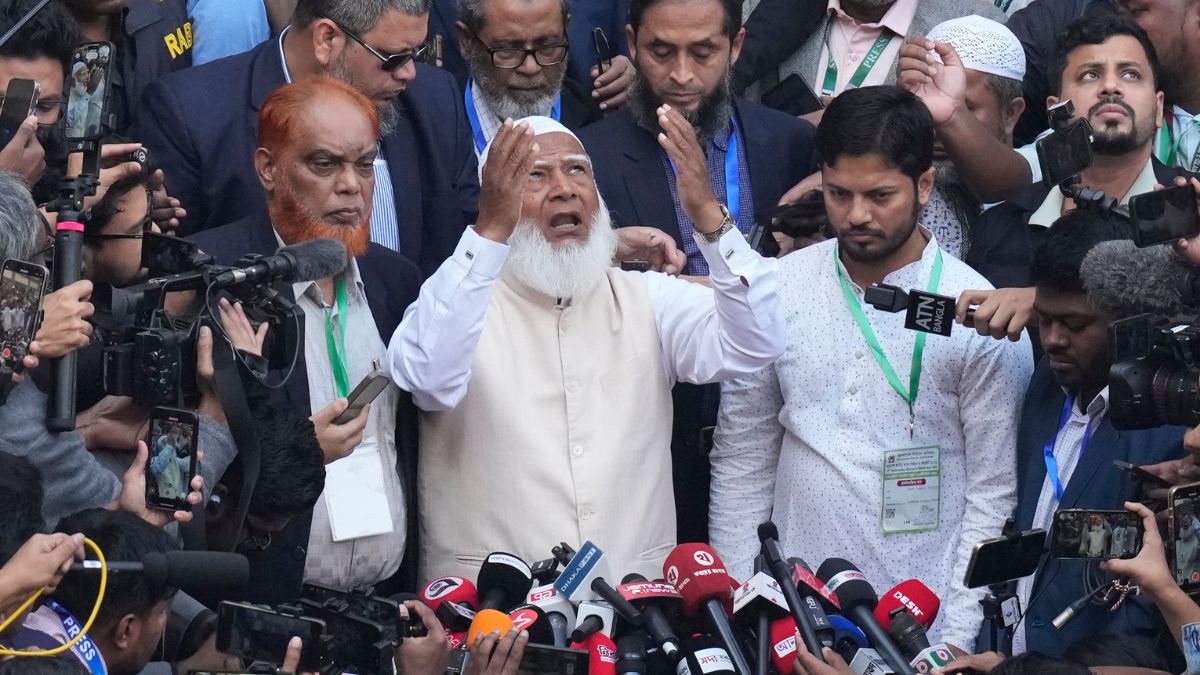
The political landscape of Bangladesh has undergone a tectonic shift following the general elections held on February 12, 2026. While many anticipated a surge for the hardline Bangladesh Jamaat-e-Islami, the results told a different story. Despite a vacuum left by the Awami League, the party struggled to convert street power into electoral mandates, leading many to question why Jamaat-e-Islami failed in Bangladesh elections so decisively.
The Illusion of Early Momentum
In the months following the July 2024 student-led uprising, Jamaat-e-Islami appeared to be the most organized political force on the ground. Having played a significant role in the protests that ousted Sheikh Hasina, the party moved quickly to fill the administrative and social gaps. For a brief period, their disciplined cadres and “pro-uprising” rhetoric suggested they were the primary challengers to the Bangladesh Nationalist Party (BNP).
However, this early advantage proved to be an illusion. While Jamaat was visible on the streets, it failed to build the broad-based legislative appeal required to win a national election. The party’s reliance on its cadre strength rather than mass-market political appeal created a ceiling that it could not break through as the polling date approached.
Why Jamaat-e-Islami Failed in Bangladesh Elections: The Voter Shift
The most significant factor in the party’s defeat was the consolidation of diverse voter blocs behind the BNP. Data from various constituencies suggests that the “anti-Awami League” vote did not split as Jamaat had hoped.
1. The Youth and Student Factor
The “Gen Z” voters who spearheaded the 2024 revolution were expected to be Jamaat’s biggest catch. Instead, they showed a marked preference for the BNP’s more secular, nationalist platform. The youth prioritized economic stability and democratic institutionalism over the religious-political framework offered by Jamaat.
2. The Minority and Women Vote
Despite fielding its first Hindu candidate and promising “protection for all,” Jamaat could not shed its historical baggage. Minority communities, particularly Hindus who suffered during past periods of political violence, rallied behind Tarique Rahman’s BNP as a safer alternative. Similarly, women voters remained skeptical of Jamaat’s long-term stance on gender reforms, despite the party’s moderated campaign rhetoric.
The “Washington Post” Leak and Diplomatic Backfire
Midway through the campaign, a report by The Washington Post suggested that American diplomats were quietly engaging with Jamaat-e-Islami leadership. This news became a double-edged sword. While it provided Jamaat with temporary international legitimacy, it allowed the BNP to frame Jamaat as a party engaging in “secret deals” with foreign powers.
BNP Secretary General Mirza Fakhrul Islam Alamgir used this narrative effectively during roadshows, suggesting that such understandings could compromise national sovereignty. This turned a segment of the nationalist electorate against Jamaat, viewing their diplomatic outreach with suspicion rather than as a sign of global acceptance.
Historical Baggage vs. Modern Rebranding
A core reason why Jamaat-e-Islami failed in Bangladesh elections remains its inability to transcend its 1971 legacy. Founded by Syed Abul Ala Maududi, the party’s opposition to Bangladesh’s independence and its association with wartime paramilitary groups like the Razakars continue to haunt its identity.
| Aspect | Jamaat’s Rebranding Attempt | Public Perception/Reality |
| 1971 Legacy | Termed themselves “Pro-Uprising 2024” | Seen as “Anti-Liberation” 1971 |
| Religious Law | Moderated talk of Sharia | Fear of hardline Islamic imposition |
| Inclusivity | Fielded Hindu candidates | History of minority displacement |
| Leadership | New faces after 2009-2024 executions | Ideological roots remain unchanged |
The Strategic Late Entry of Tarique Rahman
The BNP’s strategy of keeping Tarique Rahman as the definitive face of the transition worked to marginalize Jamaat. By the time the election cycle reached its peak, the contest became a choice between the “old guard” (remnants of the Awami League system) and the “new nationalist order” led by the BNP. Jamaat found itself squeezed out of this binary.
Furthermore, former Awami League supporters who chose to vote did not see Jamaat as a viable home. Fearing persecution, these voters opted for the BNP, perceiving it as a more pragmatic political entity that would focus on governance rather than ideological retribution.
Organisational Limits of the 10-Party Alliance
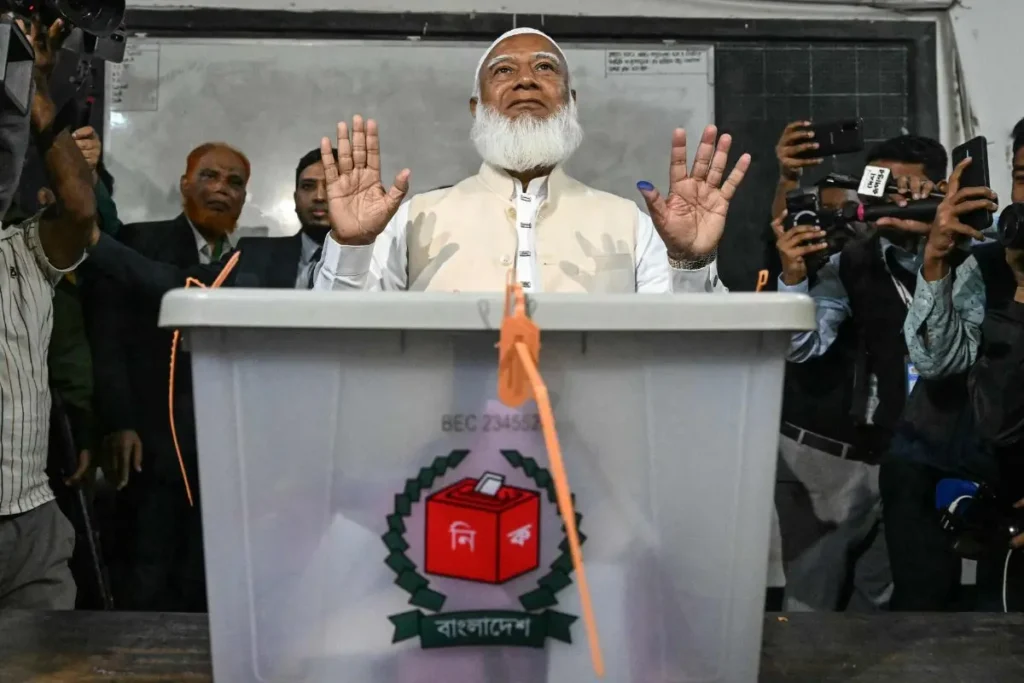
Jamaat led a 10-party alliance, but the constituent members lacked the grassroots depth to add significant value. While Shafiqur Rahman campaigned on the platform that a victory for the alliance would be a “victory for the people” rather than a “family or party,” the message failed to resonate. In a high-stakes election, Bangladeshi voters historically gravitate toward the two largest poles of power. Without the BNP’s partnership, Jamaat’s path to the center was structurally blocked.
A Reality Check for Hardline Politics
The 2026 election results serve as a reality check for the role of religion-based politics in a post-uprising Bangladesh. While Jamaat-e-Islami is no longer politically isolated, its path to central power remains obstructed by its past and a changing electorate that prioritizes civil liberties and economic growth over ideological shifts.
As official results finalize and Tarique Rahman prepares to take office, Jamaat’s “serious questions” about the integrity of the process may signal a move back to street-level activism. However, the electoral data suggests that the party’s failure was less about the “process” and more about a fundamental disconnect with the modern Bangladeshi voter.
To learn more, follow Shabdsanchi’s social media pages today and stay updated.
- Facebook: shabdsanchi
- Instagram: shabdsanchiofficial
- YouTube: @shabd_sanchi
- Twitter: shabdsanchi