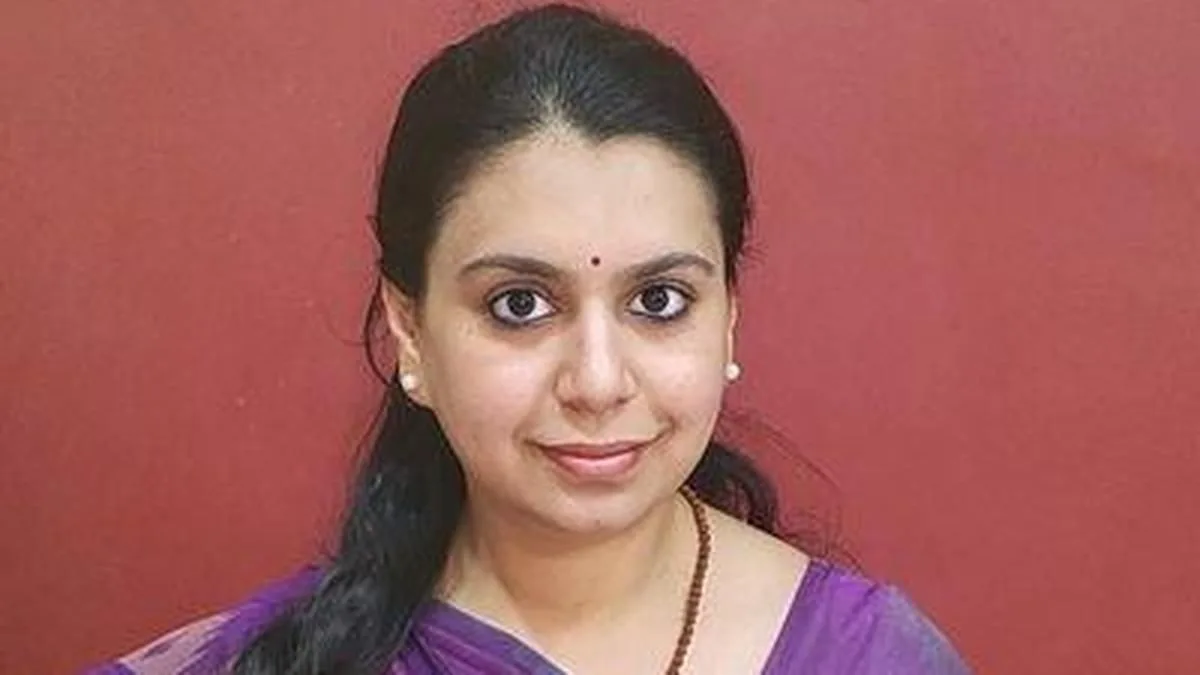
LUCKNOW, UTTAR PRADESH — Former IAS officer Divya Mittal has officially announced her entry into politics following her resignation from the Indian Administrative Service. Breaking weeks of speculation through a video message, Divya Mittal declared that she will not join any established political party, opting instead to build an independent, people-centric political platform rooted in Uttar Pradesh.
“My political journey will not be a vehicle to reach an official position. It will be a platform for those voices that fail to reach government offices or remain unheard even after reaching them,” Divya Mittal stated in her public announcement.
The 2013-batch UP cadre IAS officer tendered her resignation on August 30, 2026, concluding a 13-year administrative career. Her resignation received official approval from the Central Government and came into effect on September 15, 2026.
A New Political Paradigm: Rejecting Traditional Party Lines
Addressing intense political rumors that surfaced immediately following her resignation, Divya Mittal clarified her stance regarding traditional electoral structures. She revealed that working within established political frameworks would not allow her to challenge system-level shortcomings effectively.
The former administrator emphasized that her political vision relies on four core pillars:
- Irada (Strong Intent)
- Nyay (Justice)
- Fikr (Empathy & Concern)
- Soch (Progressive Thinking)
Divya Mittal asserted that mainstream electoral politics often reduces citizens to mere numerical voters. She emphasized that her platform will abstain from money power, muscle power, and caste-based arithmetic, focusing entirely on grassroots development and administrative accountability.
Grassroots Administrative Challenges: Why She Stepped Down
Throughout her statement, Divya Mittal highlighted key administrative experiences that influenced her decision to leave the civil services. She cited structural inefficiencies where executive rules and official approvals exist on paper, yet actual execution suffers from a lack of institutional willpower.
DIVYA MITTAL: CAREER & POLITICAL TRANSITION TIMELINE
- Education: IIT Delhi & IIM Bangalore Graduate
- Corporate Career: Financial Professional in London
- Civil Service: Joined IAS in 2013 (UP Cadre)
- Public Recognition: DM Mirzapur (Lahariyadah Project)
- Service Conclusion: Resigned Aug 30, Effective Sep 15
- Political Announcement: Independent UP Platform
She detailed specific ground-level issues observed during her postings across Uttar Pradesh:
1. Education Infrastructure Gaps
Recalling her inspection in the Lahariyadah area of Mirzapur district, she shared an instance where local residents requested school upgrades beyond the 5th grade. Despite receiving official sanctions, construction stalled for over 3 years, exposing a deficit in administrative intent.
2. Land Rights and Bureaucratic Obstacles
While serving as Special Secretary, Revenue, she encountered cases where citizens possessed legal land title deeds (pattas) on paper but lacked physical possession due to lower-level administrative delays and top-down interference.
3. Road Safety and Public Accountability
She addressed severe infrastructure deficits, including pothole-ridden rural roads and unsafe bridges that cause fatal accidents. She argued that such casualties must be treated as matters of administrative negligence rather than unavoidable mishaps.
Focus on Youth: Paper Leaks and Artificial Intelligence
Addressing youth welfare, Divya Mittal expressed deep concern over competitive examination irregularities and recruitment process delays. She emphasized that paper leaks devastate years of hard work invested by students from middle-class and rural families.
Furthermore, as a mother of two daughters, she raised concerns about the rapid integration of Artificial Intelligence (AI) and its long-term impact on employment opportunities for the upcoming generation. She urged policymakers and civil society to initiate proactive public debates regarding youth employment strategies.
Political Backdrop and Social Media Rumors
Following her resignation notice on August 30, 2026, various political leaders commented on her potential trajectory. Opposition figures, including UP Congress Chief Ajay Rai, indicated openness to considering her candidacy, while Samajwadi Party President Akhilesh Yadav raised questions regarding administrative pressure on officials in the state.
Divya Mittal directly addressed these social media rumors and political statements. She dismissed online claims made by party spokespersons regarding unauthorized meetings as baseless attempts to intimidate women entering public life.
“Scurrilous social media claims or personal trolling should not deter individuals—especially women—from entering public service and standing up for people’s rights,” she remarked.
Profile: From Corporate Executive in London to Public Leader
An alumna of IIT Delhi and IIM Bangalore, Divya Mittal worked in London before returning to India to clear the UPSC Civil Services Examination. During her 13-year administrative stint, she served in various key assignments across Uttar Pradesh, earning public recognition as District Magistrate of Mirzapur for successfully delivering piped drinking water to the drought-prone Lahariyadah village.
She reiterated that Uttar Pradesh remains her primary workspace (Karmabhoomi), and the blueprint of her independent political movement will be developed through direct consultation with the public.
Frequently Asked Questions (FAQs)
Has former IAS officer Divya Mittal joined any political party?
No, Divya Mittal has explicitly confirmed that she will not join any existing political party. Instead, she is initiating an independent political platform in Uttar Pradesh focused on resolving public grievances and ensuring administrative accountability.
When did Divya Mittal resign from the Indian Administrative Service?
Divya Mittal submitted her resignation on August 30, 2026, citing personal reasons, family priorities, and new life goals. The Department of Personnel and Training (DoPT) and Central Government accepted her resignation, making it effective from September 15, 2026.
What are the core principles of Divya Mittal’s political platform?
Her political movement rests on four core principles: Irada (Intent), Nyay (Justice), Fikr (Empathy), and Soch (Vision). The platform aims to address basic infrastructure, education, paper leak issues, and governance without relying on caste equations or money power.
What is Divya Mittal’s educational and professional background?
Divya Mittal holds degrees from IIT Delhi and IIM Bangalore. Prior to joining the 2013-batch IAS UP cadre, she worked in London as a financial professional before returning to India to pursue public service through the UPSC Civil Services Examination.
What key governance issues did Divya Mittal highlight in her announcement?
She highlighted public education delays, paper leak incidents affecting competitive exams, rural infrastructure maintenance, land document enforcement, and the emerging impact of Artificial Intelligence on future job markets for youth.
Analytical Summary: What Lies Ahead for UP Politics
The transition of Divya Mittal from executive administration to an independent political initiative introduces a distinctive dynamic to Uttar Pradesh politics. By choosing an alternative path outside established political parties, she faces both structural challenges and unique positioning opportunities:
- Building Alternative Credibility: Steering clear of established party banners allows her to maintain an unblemished, administrative image focused on systemic governance. However, executing ground-level mobilizations across large electorates in Uttar Pradesh without a traditional party machinery presents significant organizational hurdles.
- Focus on Governance vs. Identity Politics: By prioritizing issue-based governance—such as exam transparency, road safety, and rural infrastructure—her platform attempts to move past traditional caste-based voter alignment.
- Long-Term Impact on Bureaucracy: Her decision highlights a growing trend of highly qualified civil servants transitioning into policy advocacy and politics to tackle institutional bottlenecks directly.
The success of her independent platform will depend on how effectively she mobilizes civil society, youth groups, and local communities into a structured grassroots movement in the coming months.