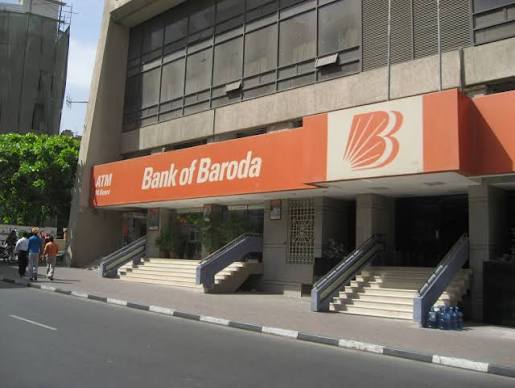
India’s second-largest public sector lender, Bank of Baroda, has officially initiated a comprehensive forensic investigation following reports that sensitive customer information and internal operational documents were exposed on the dark web. The threat group known as “Triple X” claimed responsibility for exfiltrating a dataset estimated between 700 gigabytes and 1 terabyte, posting sample files on tor-based leak portals.
While news of the leak generated significant anxiety among millions of account holders, Bank of Baroda clarified that its primary transaction infrastructure remains intact. The security breach stemmed from an isolated compromise of an employee email account rather than an intrusion into the central transaction system.
Here is a detailed breakdown of how the breach occurred, what information was impacted, and what steps Bank of Baroda account holders should take immediately to safeguard their personal finances.
What Happened? Understanding the Bank of Baroda Data Leak
The incident surfaced when cyber threat intelligence monitors detected a large repository labelled under Bank of Baroda listed on a dark web forum. The dark web operates as an encrypted network unreachable by standard search engines, frequently used by cybercriminals to trade stolen credentials and private data.
Independent cybersecurity researchers who analyzed metadata from the leaked repository revealed that the dataset contained over 92,000 files spread across thousands of folders.
Extent of Exposed Information
Preliminary investigations and cybersecurity reports indicate that the compromised data includes:
- Personal Identifiable Information (PII): Customer names, phone numbers, email addresses, and residential locations.
- Identification Documents: Scanned copies of Aadhaar cards, PAN cards, and account opening forms.
- Financial & Loan Records: Loan appraisal documents, corporate credit files, and branch-level customer applications.
- Internal Institutional Records: Branch audit reports, vigilance handbooks, and internal administrative communications.
How Did the Breach Occur? Core Banking vs. Employee Mailbox
To evaluate the true severity of any financial cybersecurity incident, it is essential to distinguish between a core banking compromise and an operational file storage breach.
1. The Attack Vector: Compromised Credentials
Official statements from Bank of Baroda confirm that the entry point was a compromised employee email account. Attackers likely used targeted phishing techniques or credential exploitation (such as a weak password) to gain access to the employee’s mailbox and connected cloud storage services like SharePoint. Because enterprise mailboxes often serve as working repositories for staff handling loan approvals and customer verifications, years of archived documents and email attachments became exposed.
2. Core Banking Systems Remain Secure
Crucially, Bank of Baroda confirmed that its Core Banking System (CBS)—the core database processing account balances, real-time fund transfers, deposits, and password vaults—was not breached.
“The bank has robust information security protocols in place. The incident involved compromise of an employee’s email account… The bank’s core banking systems were not accessed and continue to remain secure.”
— Bank of Baroda Official Statement
Because core systems were untouched, attackers cannot directly execute unauthorized withdrawals or manipulate account balances through this leak alone.
Risks Facing Bank of Baroda Customers
Although attackers did not gain direct control over core banking balances, the exposure of personal documents creates significant secondary cyber risks.
[Dark Web Leak of PII/KYC] ──► [Targeted Phishing/Vishing] ──► [Social Engineering Attacks on Customers]- Targeted Phishing & Impersonation: Fraudsters can use exact details—such as your branch location, recent loan applications, or manager names—to construct believable phone calls or SMS messages pretending to be official Bank of Baroda representatives.
- Identity Fraud: Stolen copies of Aadhaar and PAN documents can potentially be misused to open unauthorized SIM cards or apply for fraudulent digital credit products.
- SIM Swapping Attacks: Exposed phone numbers combined with identity papers increase the vulnerability of high-value account holders to SIM swap exploits.
Institutional Response: Containment & Forensic Audit
In response to the dark web exposure, Bank of Baroda initiated immediate incident response measures:
- Containment: Deactivated compromised credentials, revoked unauthorized access tokens, and isolated affected file shares.
- Forensic Investigation: Engaged external cybersecurity forensic specialists to establish the precise scope of data exfiltration.
- Regulatory Compliance: Informed regulators, including the Computer Emergency Response Team of India (CERT-In) and the Reserve Bank of India (RBI), while initiating cyber insurance claims.
Action Plan: 5 Steps Bank of Baroda Account Holders Should Take Now
If you hold a savings, current, or loan account with Bank of Baroda, take these practical steps immediately to protect your financial footprint:
- Enable Two-Factor Authentication (2FA): Ensure two-factor authentication is active across your bob World mobile application and NetBanking portal.
- Update Login & Transaction Credentials: Change your NetBanking login passwords, transaction PINs, and UPI security codes immediately. Avoid reusing old passwords.
- Be Alert to Phishing Calls: Never share OTPs, passwords, or PINs over the phone. Remember that genuine Bank of Baroda officers will never call to request your card CVV or one-time passwords, even if they quote your correct Aadhaar number or account details.
- Monitor Account Statements Regularly: Review monthly statements for unrecognized micro-transactions. Set up real-time SMS alerts for every transaction.
- Lock Your Aadhaar Biometrics: Use the official UIDAI portal or mAadhaar app to lock your biometric data. This prevents unauthorized biometric authentication using leaked Aadhaar details.
Comparison: Core Banking Access vs. Document Repository Breach
| Feature / Metric | Core Banking System (CBS) | Document / Email Storage Leak |
| System Affected | Central Transaction Ledger (Finacle) | Employee Mailbox & SharePoint |
| Status in BoB Incident | Secure & Unaffected | Compromised |
| Direct Funds Risk | High (Direct balance manipulation) | Low (Requires social engineering) |
| Exposed Information | Passwords, PINs, Balances | Scanned KYC, Audits, Emails |
| Primary Threat Vector | Core System Hack | Credential Abuse / Weak Password |
Frequently Asked Questions (FAQs)
Has Bank of Baroda confirmed the data breach?
Yes. Bank of Baroda confirmed that a security incident occurred due to a compromised employee email account, leading to unauthorized access to certain working files. The bank emphasized that core transaction systems remain secure and a forensic audit is underway.
Were my bank balance and money stolen in this breach?
No. Because the breach was limited to operational files and email attachments rather than the core banking database, account balances and direct funds were not altered.
What kind of data was posted on the dark web?
Reports from cybersecurity researchers indicate the dataset includes customer KYC forms, Aadhaar details, loan appraisal papers, branch audit files, and internal communications.
Should I close my Bank of Baroda account?
Closing your account is generally unnecessary because core banking infrastructure remains secure. However, updating your digital passwords, locking your Aadhaar biometrics, and staying vigilant against phishing calls are strongly recommended.
Conclusion
The security breach at Bank of Baroda underscores a growing reality in enterprise cybersecurity: an organization can maintain a secure core banking database while still facing vulnerability through employee endpoints and document storage systems. While Bank of Baroda’s ongoing forensic investigation will determine the exact boundary of the exfiltrated dataset, customer vigilance remains the best defense against secondary phishing attempts. By updating credentials and securing biometric identities today, account holders can navigate potential exposure with confidence.
For more information, follow Shabdsanchi‘s social media pages today and stay updated.
- Facebook: shabdsanchi
- Instagram: shabdsanchiofficial
- YouTube: @shabd_sanchi
- Twitter: shabdsanchi