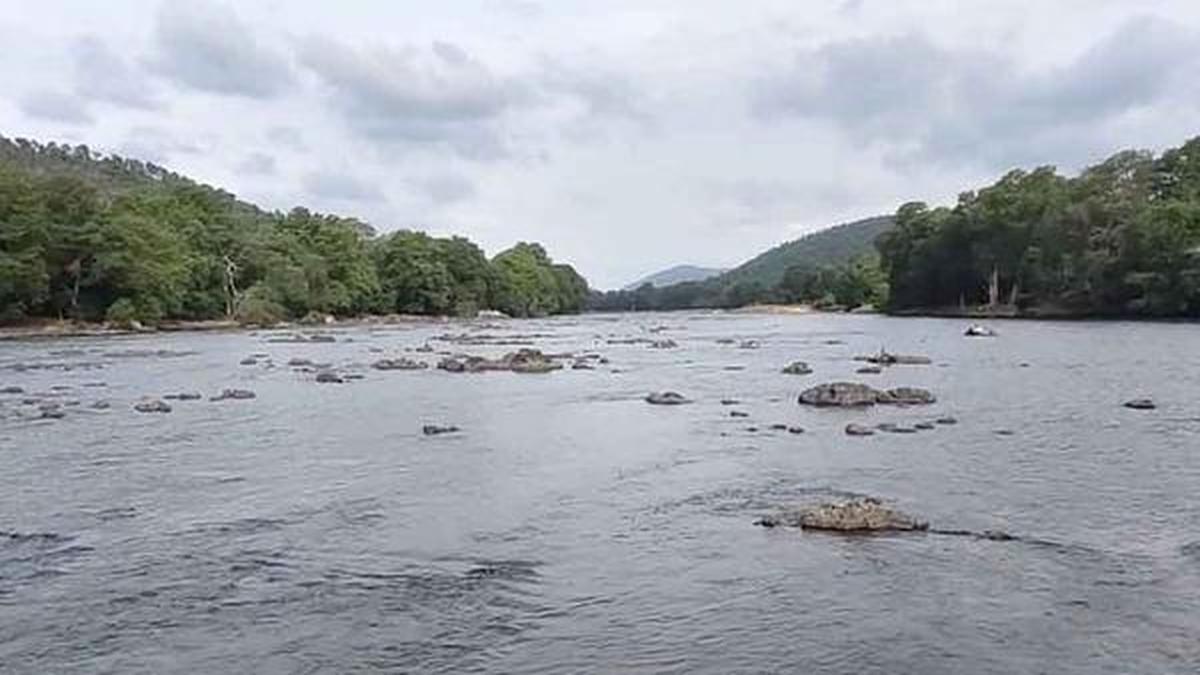
The decade-old Cauvery water dispute between Karnataka and Tamil Nadu has reached a critical flashpoint both in the judicial corridors of the Supreme Court and on the public streets of Southern Karnataka. In affidavits submitted to the apex court, Karnataka argued that improved monsoon precipitation in Kerala’s Wayanad catchment helped meet downstream flow requirements at Biligundlu. Conversely, Tamil Nadu countered that the release was not voluntary compliance but rather an inevitable consequence of reservoir spillage. Simultaneously, tension has spilled onto the streets, leading to the Bangalore bandh and Karnataka bandh today. Pro-Kannada groups and farmer federations organized a statewide shutdown to protest directives issued by the Cauvery Water Management Authority (CWMA).
Cauvery Water Conflict in the Supreme Court: Key Arguments
The legal confrontation intensified as both states filed detailed responses regarding compliance with water allocation targets set by regulatory authorities.
CAUVERY DISPUTE: STATE STANDS
| KARNATAKA’S POSITION | TAMIL NADU’S COUNTER-ARGUMENT |
| • Rains in Wayanad boosted Kabini reservoir inflows. | • Water release was forced by spillage, not voluntary compliance. |
| • Exceeded CWMA targets between July 29 and August 10. | • Realized only 19.49% of total allocated share. |
| • 2026 remains an El Niño distress year overall. | • Faces a deficit backlog of 21.357 TMC as of August 12. |
Karnataka’s Stand: Heavy Rainfall and Biligundlu Flows
Represented by senior advocate Mohan V. Katarki, Karnataka submitted to the Supreme Court that early-season distress driven by El Niño conditions had been partly mitigated by heavy localized rainfall in the Wayanad region of Kerala, which feeds the Kabini reservoir.
According to Karnataka’s submission:
- Between July 29 and August 10, the state released 1,64,080 cusecs from its reservoirs.
- Central Water Commission (CWC) gauge stations recorded 86,797 cusecs crossing the Biligundlu inter-state border during this period.
- This exceeded the 45,500 cusecs benchmark set under the 9th recommendation of the Cauvery Water Regulation Committee (CWRC).
Karnataka maintained that the CWMA erred when it endorsed a mandatory daily supply of 3,500 cusecs (and later 12,000 cusecs), given the hydrological distress across the upper basin.
Tamil Nadu’s Stand: Spillage vs. Voluntary Release
Tamil Nadu’s additional affidavit, presented by senior advocate G. Umapathy, strongly contested Karnataka’s assertions. Tamil Nadu stated that Karnataka failed to fulfill its allocated quota on a pro-rata basis early in the season and only allowed water to flow down to Biligundlu once its reservoirs approached maximum capacity.
Key objections raised by Tamil Nadu include:
- Storage Accumulation: Storage at Krishna Raja Sagara (KRS) rose rapidly from 17.039 TMC on July 28 to 30.904 TMC by August 11. Harangi reservoir stood at 97.13% capacity, and Hemavathy reached 86.69%.
- Realization Deficit: Tamil Nadu claimed it had received only 19.49% of its mandated Cauvery water allocation for the season.
- Accumulated Backlog: A shortfall of 21.357 TMC remained unreleased as of August 12, with a further 37 TMC due on a pro-rata basis through August 31.
Tamil Nadu urged the Supreme Court to order the immediate release of the cumulative shortfall to protect standing Kuruvai crops across 14.91 lakh acres in the Cauvery delta region.
Ground Reality: Bangalore Bandh and Karnataka Bandh Today
While legal battles continue in New Delhi, public dissatisfaction over water allocation orders triggered the Bangalore bandh and Karnataka bandh today.
Why Was the Shutdown Called?
The catalyst for the statewide protest was the CWMA’s order directing Karnataka to supply 12,000 cusecs of water per day to Tamil Nadu for 15 days. Union Minister H. D. Kumaraswamy and local leaders pointed out that transferring over 15 TMC of water during a year of hydrological scarcity threatens drinking water security for Bengaluru and irrigation for local farmers.
In response, the Karnataka Okkuta, headed by Vatal Nagaraj, called for a 12-hour statewide bandh (6:00 AM to 6:00 PM).
Impact on Daily Life in Bengaluru and Key Regions
The impact of the Bangalore bandh and Karnataka bandh today varied across sectors:
- Public Transport & Essential Services: Hospitals, pharmacies, emergency services, and Kempegowda International Airport operated without major disruptions. BMTC buses and Namma Metro services operated under heightened police monitoring.
- Schools and Educational Institutions: Major school associations (such as KAMS) offered moral support by instructing staff to wear black bands while keeping institutions open to prevent disruptions to academic schedules.
- Protest Hotspots: The agricultural heartland of Mandya saw significant demonstrations, with farmers blocking the Bengaluru-Mysuru highway using empty vessels to symbolize water scarcity.
Bengaluru City Police deployed personnel across major intersections, commercial hubs, and inter-state border posts to maintain law and order throughout the Bangalore bandh and Karnataka bandh today.
Reservoir Status and Hydrological Comparison
The table below outlines current storage levels across primary reservoirs in the Cauvery basin:
| Reservoir Name | Full Capacity (TMC) | Status / Live Storage (%) | Key Inflow Source |
| Krishna Raja Sagara (KRS) | 49.45 | ~62.5% (30.9 TMC) | Cauvery Main Basin |
| Harangi | 8.50 | 97.13% | Coorg Catchment |
| Hemavathy | 37.10 | 86.69% | Hassan Catchment |
| Kabini | 19.59 | Near Full Storage | Wayanad (Kerala) Catchment |
Despite reservoir recovery following monsoonal spells, Karnataka officials maintain that seasonal totals remain lower than long-term averages. As a result, balancing urban drinking needs with agricultural quotas remains challenging.
Next Steps in the Legal Battle
The Supreme Court bench, led by Chief Justice Surya Kant, scheduled further hearings on the Cauvery petitions for August 17 after Justice Vikram Nath was unavailable due to viral fever.
The court’s upcoming rulings will determine whether CWMA’s direction of 12,000 cusecs will be enforced or adjusted to account for distress sharing. Until then, public demonstrations surrounding the Bangalore bandh and Karnataka bandh today highlight the ongoing social and economic stakes attached to the Cauvery river basin.
Frequently Asked Questions (FAQs)
1. What caused the Bangalore bandh and Karnataka bandh today?
The bandh was called by pro-Kannada organizations protesting the Cauvery Water Management Authority’s (CWMA) directive instructing Karnataka to release 12,000 cusecs of water daily to Tamil Nadu. Demonstrators cite regional water scarcity and drinking water requirements in Bengaluru as the core reasons for their opposition.
2. What is Karnataka’s primary legal defense in the Supreme Court?
Karnataka argues that 2026 has experienced El Niño-induced water stress, reducing reservoir inflows significantly. The state contends that recent water flow at Biligundlu resulted from unexpected monsoon rains in Kerala’s Wayanad catchment feeding the Kabini river, making additional regulatory orders unreasonable.
3. Why is Tamil Nadu demanding additional Cauvery water?
Tamil Nadu claims it has received only 19.49% of its allocated water share for the current season, leaving a deficit backlog of 21.357 TMC. The state argues that Karnataka released water primarily due to reservoir spillage rather than compliance, threatening the Kuruvai crop yield in delta districts.
4. Are essential services functioning during the bandh?
Yes, essential services including hospitals, pharmacies, emergency care, police operations, and airports are functioning normally during the shutdown. While public buses and metros are operational under security, commercial businesses and road transport experienced localized disruptions.
5. When will the Supreme Court hear the Cauvery dispute next?
The Supreme Court adjourned the hearing on the Cauvery water petitions to August 17 after the presiding judge fell ill. The upcoming session will address Tamil Nadu’s plea for backlog water releases and Karnataka’s challenge against CWMA directives.
Conclusion
The Cauvery river dispute highlights the complex challenge of managing shared water resources during periods of climatic uncertainty and uneven rainfall. While Karnataka attributes recent downstream releases to localized precipitation in the Kabini catchment, Tamil Nadu maintains that fundamental obligations remain unmet.
As demonstrated by the Bangalore bandh and Karnataka bandh today, water allocation decisions carry immediate social, economic, and political consequences for both states. With the Supreme Court set to resume proceedings on August 17, both states await clear judicial guidelines on distress sharing and reservoir management.