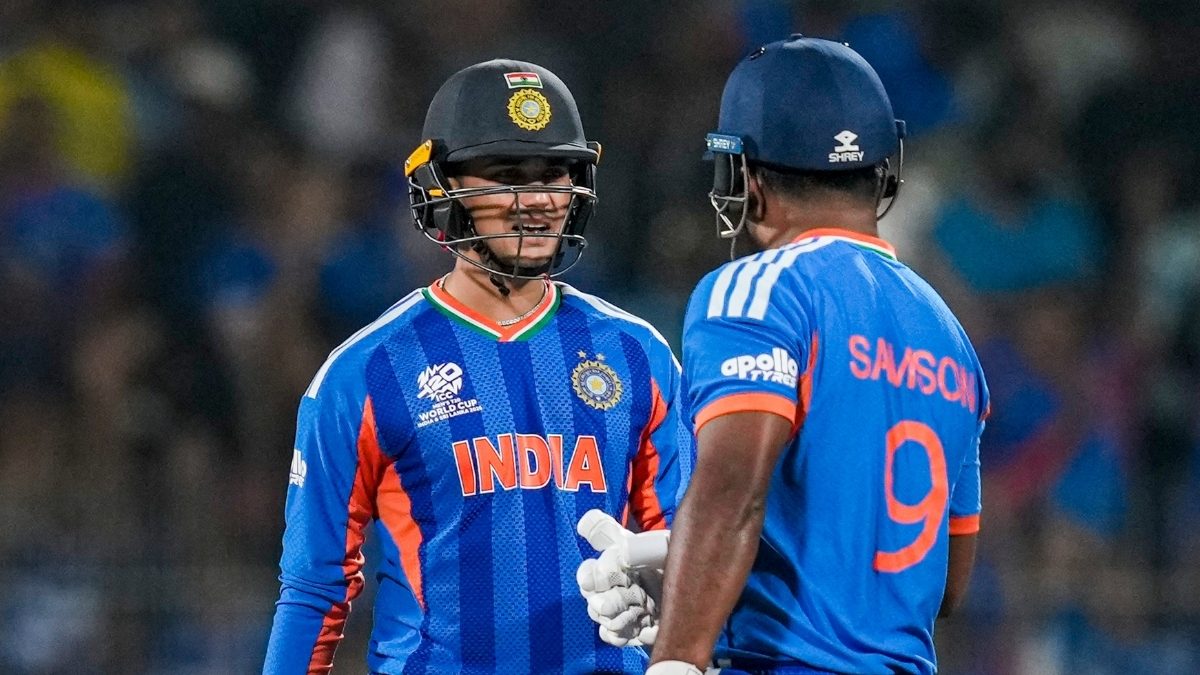
India’s recent batting struggles at the top of the order have finally found a compelling resolution. Reverting to their original tactical blueprint, the team paired Samson and Abhishek Sharma. This dynamic duo instantly delivered, providing the aggressive start India desperately needed during the ongoing T20 World Cup campaign.
Throughout the early stages of this T20 World Cup, India’s batting narrative was dominated by top-order instability. Before the crucial fixture at Chepauk against Zimbabwe, the highest opening stand managed by the team was a mere 25 runs against Namibia. The team management experimented relentlessly to find a viable solution.
Fans witnessed a carousel of opening combinations. The management tried pairing Abhishek with Ishan Kishan, then Samson with Ishan, and later Shubman Gill with Abhishek. These constant shifts drifted far from the aggressive blueprint India had carefully constructed before the tournament began.
The Return of Samson and Abhishek Sharma
However, the match against Zimbabwe forced a necessary tactical rethink. Compelled partly by Zimbabwe’s strategy of utilizing off-spinners early in the innings, India returned to their most explosive option. Samson and Abhishek Sharma walked out to the middle, instantly restoring balance, intent, and confidence to the Indian batting lineup.
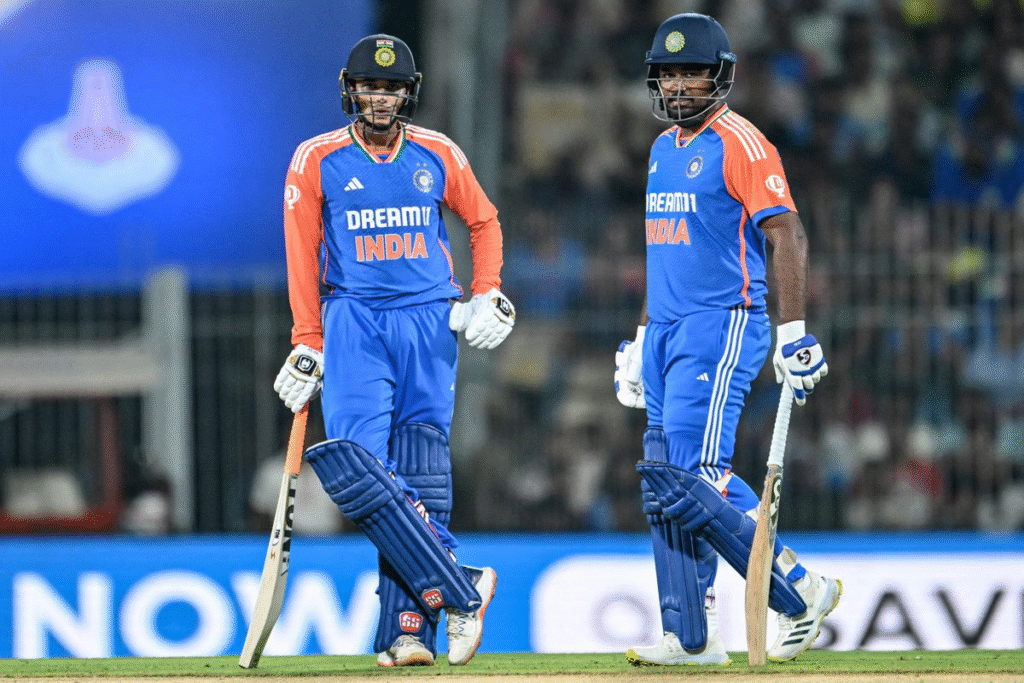
The impact of this reunion was immediate and destructive. In just 3.4 overs, the pair aggressively put 48 runs on the board. Boundaries and sixes flowed freely across the ground, showcasing the trademark attacking cricket that the team management had originally envisioned for this tournament.
Mastering the Chepauk Pitch Conditions
This explosive start was precisely what India required to set a dominant tone. The Chepauk crowd, turning up in massive numbers despite the team’s recent struggles, witnessed a masterclass in powerplay batting. Chants for Samson echoed around the stadium long before the first ball was even bowled, highlighting the crowd’s anticipation.
Zimbabwe attempted to counter the opening threat by deploying pace from both ends. Samson, however, was tactically prepared. Recognizing the good bounce available on the Chepauk surface, he adjusted his trigger movement. He deliberately chose to stay deep in his crease, allowing him to hit forcefully and cleanly through the line of the ball.
This ability to adapt quickly highlights Samson’s quality as an enterprising top-order batsman. When fast bowler Blessing Muzarabani tested him, Samson simply made room before the ball was even delivered and flat-batted it spectacularly over long-on for a boundary.
Tactical Advantages of a Left-Right Combination
At the other end of the pitch, Abhishek looked entirely liberated. Having navigated a nervous patch in his previous outings, the left-hander capitalized on the pace generated by the Zimbabwean bowlers. When Muzarabani offered width with a deep cover in place, Abhishek calmly threaded the gap for a quick single.
Soon after, his signature inside-out shots returned, driving India’s run rate steadily higher. The true strength of Samson and Abhishek Sharma lies in their contrasting batting styles. This classic left-right combination creates a constant, draining headache for opposition captains and bowlers.
Bowlers are forced to alter their lengths and lines continually, drastically minimizing their margin of error. While Samson prefers hanging back in the crease to punish fuller deliveries, Abhishek actively feeds off shorter lengths. This dynamic makes it nearly impossible for any bowling attack to settle into a consistent rhythm during the fielding restrictions.
Dominating the Powerplay Over
Did the team management make a strategic error by separating them earlier in the tournament? The initial decision was heavily influenced by Samson’s brief loss of form and Ishan Kishan’s impressive recent run. However, breaking a familiar opening partnership often exposes structural blind spots.
Successful openers thrive on familiarity and mutual understanding. They instinctively complement each other’s strengths and actively mask potential weaknesses in ways newly formed pairs simply cannot. By reuniting them, India successfully executed their primary objective: utterly dominating the powerplay.
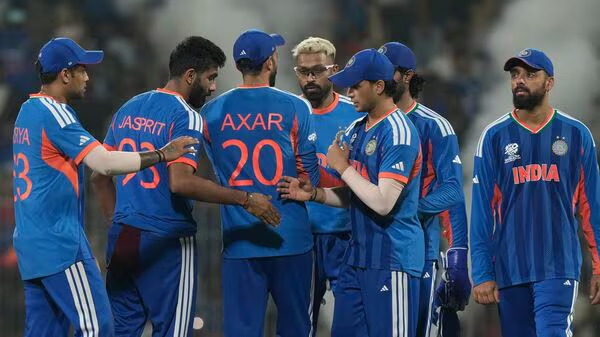
The robust platform built by this pair allowed India to amass 80 runs in the first six overs. When the Indian middle-order receives such a commanding foundation, they rarely allow the opposition a pathway back into the contest. Following Samson’s departure for a brisk 24 off 15 balls, Ishan Kishan seamlessly maintained the aggressive tempo, scoring 38 off 24 deliveries.
Ultimately, the night belonged to Abhishek. Shaking off the psychological weight of three consecutive ducks, he compiled a brilliant 55 off just 30 deliveries, featuring four boundaries and four sixes. While it may not have been the most flawless technical performance from either batter, it undeniably provided India’s most effective and crucial start of the tournament.
To learn more, follow Shabdsanchi’s social media pages today and stay updated.
- Facebook: shabdsanchi
- Instagram: shabdsanchiofficial
- YouTube: @shabd_sanchi
- Twitter: shabdsanchi