A horrific and bizarre incident in Madhya Pradesh’s Dindori district has claimed the life of a 35-year-old man named Rajendra Barautia, who died after being tricked into eating a crude explosive device disguised as a sweet.
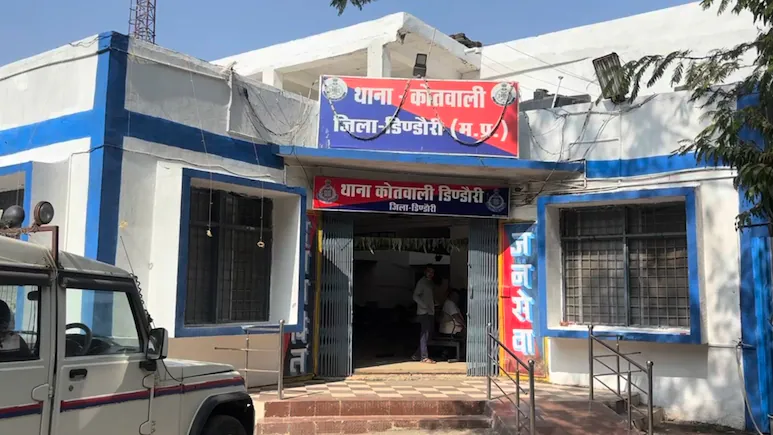
The fatal event unfolded on Tuesday, November 10, 2026, in Padriya Chhanta village under the jurisdiction of the Dindori Kotwali police station.
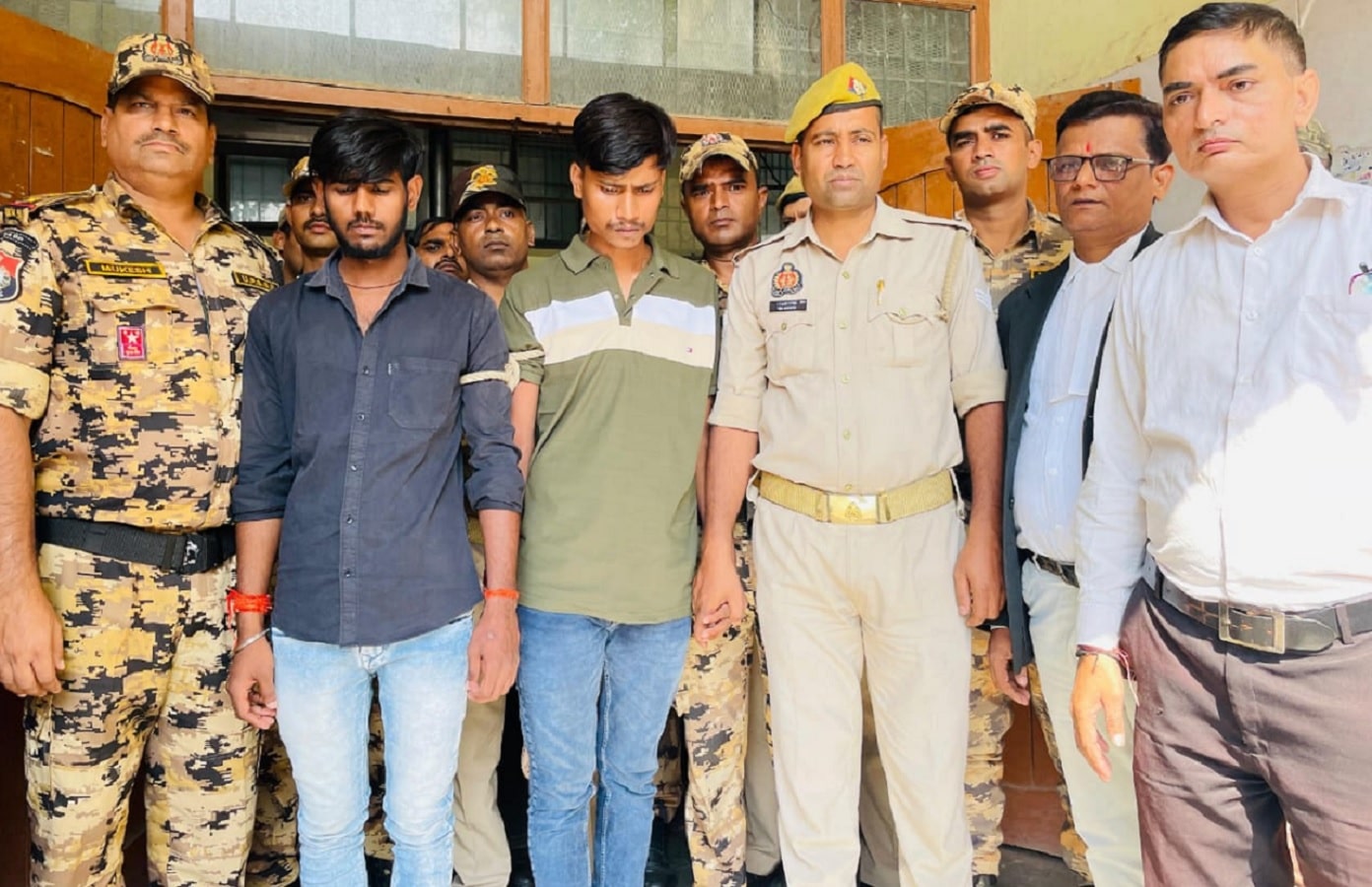
Local authorities have arrested two individuals in connection with the crime, highlighting the grim dangers posed by illegal wildlife hunting traps circulating in rural communities.
What Happened on the Fatal Evening?
On the evening of November 10, Rajendra Barautia was sitting in his courtyard warming himself by a fire alongside his wife, child, and grandmother.
A neighbor, Rambhagat Singh Barautia, arrived at the home and began casual conversations and lighthearted banter near the fire.
During the interaction, Rambhagat handed Rajendra a small, ball-shaped object, claiming it was a rasgulla meant to celebrate the festive season.
“Rambhagat told my husband to taste the rasgulla for the Diwali festival. As soon as he put it in his mouth and chewed it, a sudden explosion took place,” recalled Rajendra’s wife, Susheelabai.
“I didn’t understand what happened. My husband’s jaw was blown apart, and his face became unrecognizable within a single second,” she added.
Rajendra was rushed via auto-rickshaw to the Dindori District Hospital, where he succumbed to his injuries during treatment. His body was handed over to the family following a post-mortem examination the next day.
The Origin of the Deadly ‘Pig Bomb’
Police investigations revealed a chilling chain of events regarding how the explosive reached the victim.
- The Recovery: The second arrested accused had initially found the explosive device in a nearby forest.
- The Handover: The individual who found it passed the device on to Rambhagat Singh Barautia.
- The Tragic Prank: Rambhagat subsequently approached Rajendra, presenting the lethal device as a sweet.
Authorities are currently investigating the deeper supply chain to determine who manufactured or planted the explosive in the forest.
Preliminary police findings indicate no prior personal enmity or old rivalry between the arrested suspects and the victim.
Legal Action and Police Investigation
Taking swift action, the Dindori Police registered a case against the two accused under stringent legal provisions.
- Charges Filed: The accused have been booked under Section 105 of the Bharatiya Nyaya Sanhita (BNS) and Sections 3 and 4 of the Explosives Act.
- Forensic Analysis: Police collected explosive residues and material samples from the crime scene, dispatching them to a Forensic Science Laboratory (FSL) to determine the exact chemical composition used inside the device.
“Both accused persons have been arrested, and the investigation is ongoing. FSL reports will clarify the precise chemical elements packed inside the explosive,” stated Dindori Kotwali Station House Officer (SHO) Durga Prasad Nagpure.
How Dangerous Are Rural ‘Pig Bombs’?
Locally known as ‘pig bombs’ or wild boar traps, these crude devices are frequently deployed across forested and rural tracts in central India to illegally hunt wild animals.
According to Sharad Sarwate, an Indore-based explosives expert, the mechanics of these devices rely heavily on pressure-sensitive chemical structures.
- Chemical Composition: These traps often contain mixtures like ammonium nitrate and nitrate jelly.
- Trigger Mechanism: Designed with a toothpaste or gel-like consistency comparable in size to a standard Diwali firecracker (Sutli bomb), the material rapidly generates gas under mechanical pressure, causing an instant, localized blast.
- Lethal Efficiency: Engineered to incapacitate medium-sized wildlife without destroying the entire carcass, any compression or chewing instantly triggers catastrophic trauma to the targeted area.
Frequently Asked Questions (FAQs)
1. What caused the explosion in the Dindori district?
The explosion occurred when 35-year-old Rajendra Barautia chewed on a crude wild boar hunting explosive device that was deceitfully handed to him as a rasgulla by a neighbor.
2. Who has been arrested in connection with the Dindori rasgulla bomb case?
Police have arrested two individuals: Rambhagat Singh Barautia, who handed the explosive to the victim, and another person who originally recovered the device from a forest.
3. What legal charges have been filed against the accused?
The accused individuals have been booked under Section 105 of the Bharatiya Nyaya Sanhita (BNS) and Sections 3 and 4 of the Explosives Act.
4. What are ‘pig bombs’ and how do they work?
Pig bombs are crude, pressure-sensitive homemade explosives containing chemical mixtures like ammonium nitrate, commonly hidden in bait to kill wild boars and small animals in rural regions.
5. Was there any personal enmity between the victim and the accused?
Preliminary police investigations confirmed that there was no prior rivalry or dispute between the victim and the arrested suspects.
Conclusion and Future Implications
This tragic incident sheds light on the grave public safety hazards posed by unregulated, lethal wildlife traps circulating in rural forested belts. While the immediate arrests bring the perpetrators of this reckless act under legal custody, the broader systemic issue demands stricter monitoring of illicit explosives and forest patrols.
As forensic tests progress, local law enforcement faces mounting pressure to dismantle the local networks supplying these hazardous traps, ensuring that rural communities are safeguarded against such horrific accidents in the future.

Manish Kumar began his professional journey in digital marketing and performance marketing, and currently works as a Digital Marketing Excutive and SEO expert. With over 3 years of professional experience, he handles both strategy and execution. Currently, he manages digital marketing and performance marketing at ‘Shabd Sanchi’ (shabdsanchi.com).