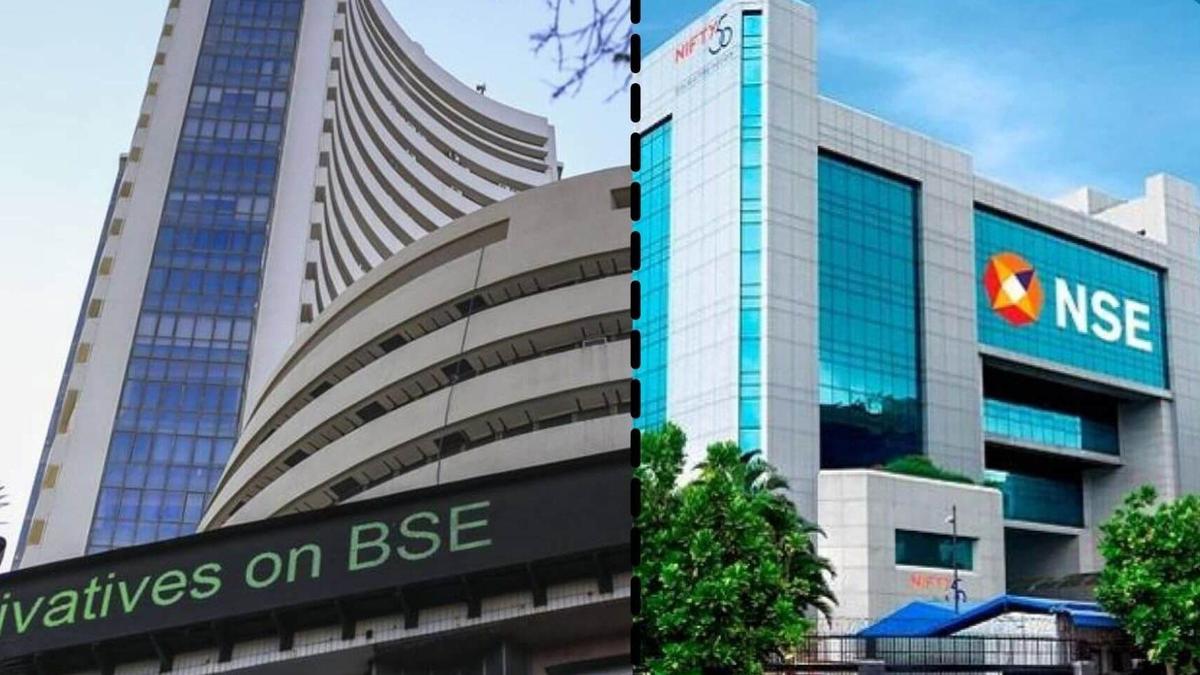
The Indian IPO landscape is buzzing with excitement surrounding the upcoming National Stock Exchange (NSE) IPO. Widely anticipated to be one of the largest public offerings in Indian capital market history, the issue has turned market attention toward key listed institutions holding stakes in the exchange.
While exact NSE IPO dates and issue price bands are pending regulatory updates, stocks associated with major selling shareholders have witnessed heightened volatility and strong buying interest following the filing of the Draft Red Herring Prospectus (DRHP).
Understanding the Structure of the Upcoming NSE IPO
The proposed public issue is structured as a 100% Offer for Sale (OFS), with existing financial institutions offloading up to 14,89,05,525 equity shares on the exchange. Because the issue is purely an OFS, NSE will not receive any proceeds; all net funds raised will be distributed among the selling shareholders relative to their holdings sold.
| Feature | Key Details |
| Issue Type | 100% Offer For Sale (OFS) |
| Total Shares Offered | 14,89,05,525 Equity Shares |
| Primary Objective | Monetization of holdings by key financial shareholders |
| Price Band & Dates | To be determined in the final Red Herring Prospectus (RHP) |
Detailed Performance Analysis of Listed Selling Shareholders
State Bank of India (SBI)
State Bank of India stands as the largest institutional selling shareholder participating in the public offering.
- Stake & Offloading: SBI currently maintains a 4.4% SBI stake in NSE, representing 7.98 crore shares. In the upcoming issue, SBI plans to sell up to 2.47 crore shares.
- Acquisition Cost: SBI’s average acquisition cost is approximately ₹0.80 per share.
- Market Impact: Since the DRHP filing, SBI’s stock initially surged over 10% before paring gains to trade around ₹1,023 per share.
Bank of Baroda
Bank of Baroda represents the second-largest public sector bank divesting its equity through the IPO.
- Stake & Offloading: The Bank of Baroda stake in NSE stands at 0.89% (2.1 crore shares). The bank will sell up to 1.6 crore shares in the OFS.
- Acquisition Cost: The bank holds its shares at an average acquisition cost of ₹0.54 per share.
- Market Impact: Bank of Baroda shares have experienced subdued movement, declining roughly 15% since mid-June to trade near ₹240 per share.
General Insurance Corporation of India (GIC RE)
GIC RE holds a substantial long-term stake in the exchange.
- Stake & Offloading: Out of its total 4.07 crore equity shares, GIC RE will offload up to 1.06 crore shares in the issue.
- Acquisition Cost: The company’s historical acquisition cost averages ₹5.26 per share.
- Market Impact: The company’s share price has remained largely range-bound, trading near ₹353 per share.
New India Assurance Company
New India Assurance Company (NIACL) has emerged as one of the strongest gainers since the filing.
- Stake & Offloading: NIACL holds a 1.52% equity stake and plans to sell 1.05 crore shares.
- Acquisition Cost: NIACL holds one of the lowest acquisition costs among all institutional sellers at approximately ₹0.32 per share.
- Market Impact: Fueled by high expectations of capital unlocking, NIACL’s share price rose over 24% following news of the filing.
IFCI Ltd
IFCI Ltd enjoys indirect exposure to the upcoming listing through a step-down structure.
- Stake & Structure: IFCI holds a controlling 52% stake in Stock Holding Corporation of India Ltd (SHCIL), which is offloading over 1.09 crore NSE shares in the offer.
- Market Impact: Due to its controlling position in SHCIL, IFCI shares rallied up to 15% after the prospectus filing.
Comparative Matrix: Key Shareholders Exposure
| Company Name | Shares Offered | Historical Average Acquisition Cost | Post-Filing Market Price Trend |
| State Bank of India | ~2.47 Crore | ₹0.80 per share | Initial +10% rally, trading flat near ₹1,023 |
| Bank of Baroda | ~1.60 Crore | ₹0.54 per share | Subdued, down ~15% near ₹240 |
| GIC RE | ~1.06 Crore | ₹5.26 per share | Flat, trading near ₹353 |
| New India Assurance | ~1.05 Crore | ₹0.32 per share | Strong rally of over 24% |
| IFCI Ltd (via SHCIL) | Indirect (~1.09 Cr by SHCIL) | Step-down Holding | Rallied up to 15% |
Other Notable Institutions directly or indirectly linked
Beyond the primary selling entities, several other listed companies hold smaller stakes or maintain structural exposure to NSE. These include:
- LIC of India
- Indian Bank
- SBI Life Insurance
- Tata Investment Corporation
- HDFC Bank
- Balkrishna Industries
These companies will remain closely tracked by market participants as valuation parameters become clearer.
Frequently Asked Questions (FAQs)
Q1. What are the expected NSE IPO dates?
The exact NSE IPO dates have not yet been announced. Dates will be finalized after regulatory approvals and the release of the official Red Herring Prospectus (RHP).
Q2. How much SBI stake in NSE is being sold in the IPO?
State Bank of India holds a 4.4% stake (7.98 crore shares) and plans to sell up to 2.47 crore shares through the Offer for Sale.
Q3. What is the Bank of Baroda stake in NSE?
Bank of Baroda holds a 0.89% stake in NSE, totaling 2.1 crore shares, and will offload 1.6 crore shares during the offering.
Q4. Why is IFCI Ltd in focus ahead of the NSE IPO?
IFCI Ltd holds a 52% controlling stake in Stock Holding Corporation of India, which is selling over 1.09 crore shares in the NSE IPO.
Conclusion
The forthcoming NSE public issue marks a significant milestone for Indian capital markets. Because institutional early investors such as SBI, Bank of Baroda, and New India Assurance acquired their equity at nominal historic costs, the monetization process offers substantial potential to unlock capital reserves on their balance sheets. Market participants will continue monitoring price developments and valuation details as final listing steps unfold.