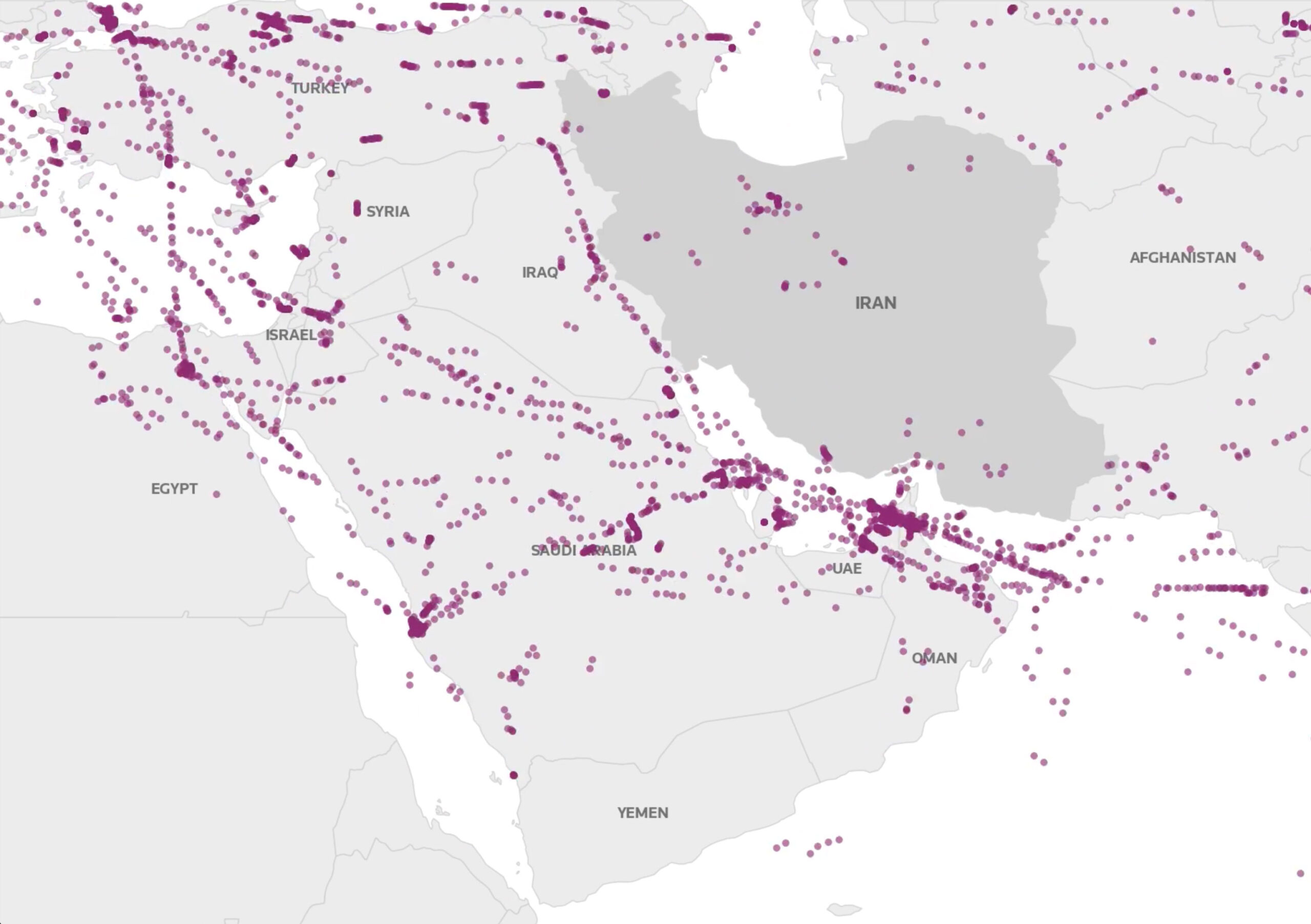
The Middle East crisis escalates into unprecedented territory following a joint US-Israeli aerial assault and the assassination of Iran’s supreme leader, Ayatollah Ali Khamenei. In swift retaliation, Iranian forces have launched extensive strikes against American and Israeli military bases, shockingly expanding their targets to include neighbouring Gulf states.
An Historic Rupture in Regional Stability
The regional war that diplomats and international observers have long feared has officially arrived. Global attention pivoted sharply to Iran on Saturday after an extraordinary joint aerial bombardment by the United States and Israel. This intensive military campaign resulted in the assassination of Ayatollah Ali Khamenei, along with a significant portion of Iran’s military and political leadership.
Khamenei had dominated Iranian politics for 36 years. His sudden removal represents an historic rupture in the geopolitical fabric of the region. Before the international community could fully absorb the shock of this leadership decapitation, Tehran initiated a rapid and expansive retaliation.
Middle East Crisis Escalates Beyond Borders
The scope of Iran’s response has rapidly taken the conflict far beyond its initial targets. Missiles and drones were launched not only at Israeli territories but also at American military installations scattered across the Gulf. Reports indicate strikes in Qatar, Kuwait, Jordan, the United Arab Emirates, and Bahrain.
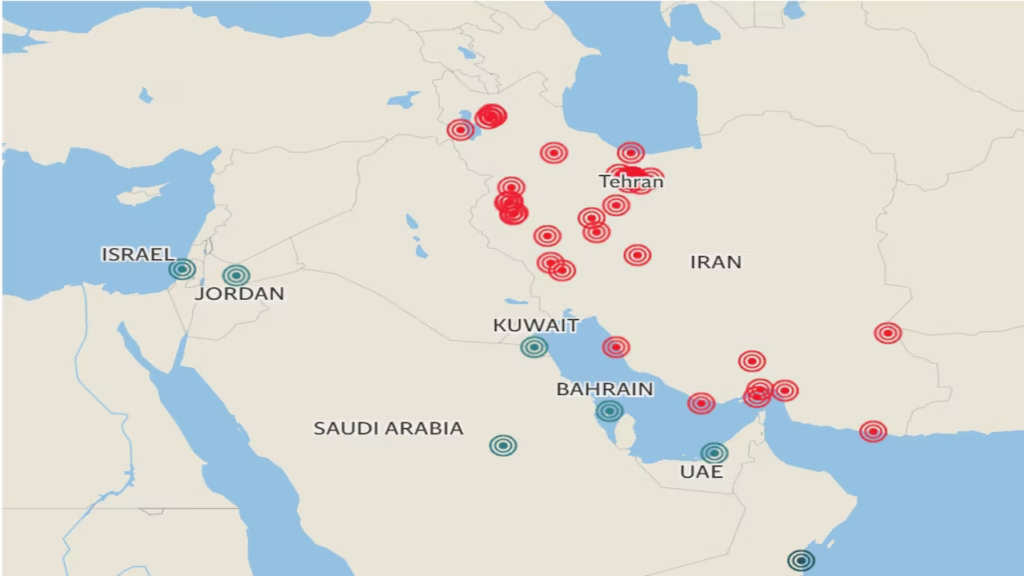
This dramatic expansion of the battlefield has drawn multiple sovereign nations directly into the crossfire. The situation marks a severe deterioration of regional security protocols. Consequently, the Middle East crisis escalates at a pace that has left both markets and foreign governments scrambling to adapt.
Why is Iran Targeting the Gulf?
Strategic analysts suggest that Iran’s decision to target neighbouring Gulf states is a calculated mechanism to build international pressure. By indirectly imposing costs on the United States and global energy markets, Tehran hopes that Gulf governments will urgently lobby Washington to halt further military aggression.
Simultaneously, Iranian backchannels have reportedly attempted to reassure neighbouring states that they are not the primary enemy. The underlying message from Tehran implies that the strikes are a direct consequence of American and Israeli actions in the region.
The Risk of Alienating Gulf Neighbours
However, this is an exceptionally high-risk strategy for Iran. Launching indiscriminate and reckless missile and drone attacks—as described in a joint condemnation by Gulf states and the US—risks permanently alienating these nations.
Instead of solely blaming Washington or Tel Aviv, Gulf leaders may increasingly view Iran as an existential threat. If the conflict drags on, the delicate diplomatic balance that has existed across the Persian Gulf could collapse entirely, leading to entrenched, long-term hostilities.
The Shattered Illusion of Gulf Security
For decades, the Gulf region has spent billions of dollars meticulously constructing an image of absolute stability. It has marketed itself as a sanctuary of wealth, attracting western investment and millions of expatriate workers.
Recent attacks on infrastructure, including damage to civilian hotels and the US embassy in Riyadh, threaten to puncture this carefully curated projection. While direct structural damage has been somewhat limited so far, the psychological impact on investors and residents is profound.
Stranded Citizens and Evacuation Challenges
The immediate human consequence of this instability is severe. More than 100,000 British citizens found themselves stranded in the Gulf on Monday. Regional airspace remains closed to most commercial flights, and overland evacuation routes are currently regarded as far too risky.
The UK Foreign Office is rapidly drawing up contingency plans to extract its citizens. Furthermore, the UK, France, and Germany have officially launched defensive actions to protect their national interests and support their Gulf allies amidst the chaos.
The Nuclear Threat and Mass Evacuation Warnings
Adding a layer of severe anxiety to the conflict is the vulnerability of civil nuclear power stations across the region. A UN nuclear expert recently warned that any targeted or accidental strikes on these facilities could lead to a catastrophic radiological release.
If such a scenario unfolds, the mass evacuation of major cities across the Middle East would become an immediate necessity. This terrifying prospect underscores exactly why the Middle East crisis escalates not just as a military conflict, but as a potential environmental and humanitarian disaster.
Economic Fallout: The Cost of War
The economic consequences of this rupture are already rippling far beyond the immediate battlefield. Global insurance markets and international shipping companies are notoriously risk-averse. The mere perception of danger in such a critical maritime corridor raises transport prices immediately.

Specific Iranian strikes have been reported at a Saudi Arabian oil refinery, where officials claimed a resulting fire is now under control. Additionally, a major gas processing plant in Qatar was targeted. Both critical facilities have temporarily halted production.
Energy Markets Face Massive Spikes
These disruptions present a massive threat to global energy supply chains. Following the weekend’s events, natural gas prices surged sharply, at one point rising by an astonishing 42% in Europe.
Traders are aggressively pricing in the risk of a prolonged conflict in one of the world’s most vital energy corridors. Analysts note that Iran’s focus on energy infrastructure is highly strategic, aiming to exploit the political vulnerabilities of western leaders regarding domestic cost-of-living issues. A new, sustained oil shock would be globally devastating.
Washington’s Dilemma and Pre-emptive Strikes
The United States’ role in initiating this phase of the conflict has sparked intense debate. According to recent statements from political figures like Marco Rubio, Israel’s unwavering determination to attack Iran made it a certainty that US troops would face retaliatory fire.
This dynamic reportedly forced the Trump administration into taking pre-emptive strikes. It represents a new and highly controversial explanation for Washington’s surprise entry into direct kinetic conflict with the Iranian leadership.
Assessing US Military Vulnerabilities
Despite the massive scale of the conflict, Iranian attacks have thus far inflicted limited direct damage on US assets. Tragically, six American soldiers have been killed, and three US aircraft have been downed—though early reports suggest the latter may have been due to friendly fire.
For years, American military planners have war-gamed conflict scenarios with Iran. In almost every simulation, overwhelming Iranian drone swarms—aerial, surface, and underwater—resulted in the sinking of at least one American warship. Surprisingly, this anticipated massive swarm tactic has not yet materialized.
Domestic Politics and War Fatigue
Washington appears to have very little appetite for a prolonged, grinding conflict in the Middle East. The current administration historically treats international crises episodically, often seeking a rapid conclusion that can be marketed domestically as a definitive victory.
However, as the conflict widens, events on the ground may quickly slip beyond the control of any single political actor. Public approval for this military operation is already reportedly low, and it would not take much going wrong for American public opinion to turn aggressively against the intervention.
The Risk of State Collapse in Iran
While the Iranian military continues to project power externally, the internal situation remains highly volatile. The removal of Ayatollah Khamenei leaves a massive power vacuum. There is currently deep uncertainty regarding his successor and the actual capacity of any domestic opposition to seize state control.
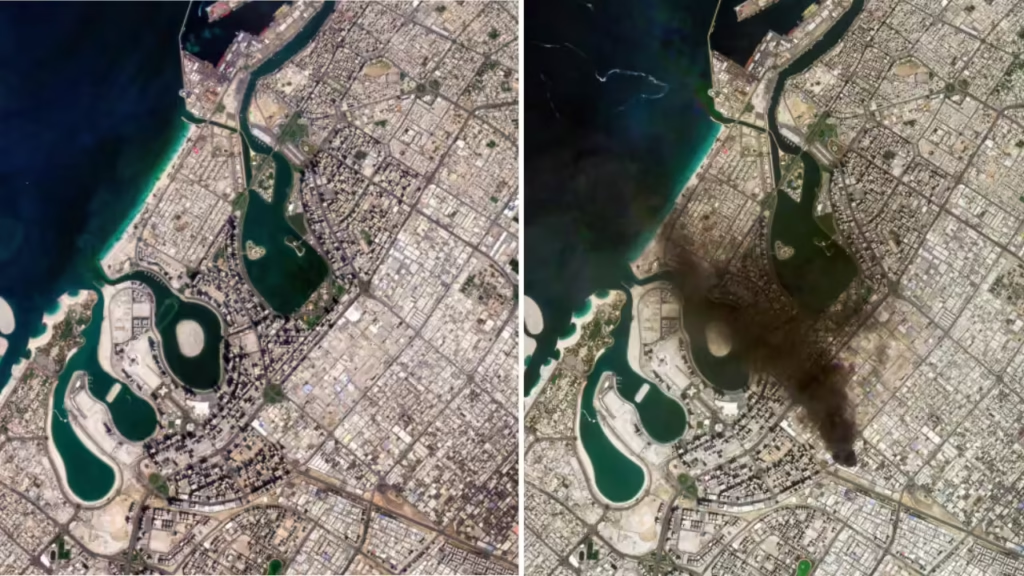
Citizens find themselves trapped between an authoritarian regime and the reality of sustained US-Israeli bombardment. International observers fear that if the central government fractures, Iran could face a Libya-style collapse.
A Fractured, Multi-Ethnic State
Iran is a vast, multi-ethnic state comprising disparate regions and populations, including Baluchis, Arabs in the south-west, and various other minority groups. Several of these regions harbour historical separatist movements.
In the event of a central government collapse, external powers may actively encourage and fund these separatist factions to further weaken the state. For now, however, there are no definitive signs that the core regime is completely disintegrating.
Lebanon and the Wider Proxy Network
The violence is not confined to the Gulf and Iran. On Monday, Hezbollah launched a barrage of missiles and drones toward Israel, explicitly framing the attack as retaliation for the killing of Khamenei.
In response, heavy Israeli airstrikes pounded Beirut and southern Lebanon. According to Lebanon’s health ministry, these strikes killed at least 31 people and injured nearly 150 others. This secondary front guarantees that military resources and civilian populations across the entire Levant will remain under severe threat.
A Highly Uncertain Future
The human toll of the past few days is already staggering. The Iranian Red Crescent Society reports at least 555 people killed in US-Israeli attacks across 131 cities since the weekend. Conversely, Israel has reported 10 deaths from Iranian strikes, with additional fatalities recorded in the Gulf.
Whether the initial objective of the US and Israel—to decapitate the leadership and spark a popular uprising—will succeed remains entirely uncertain. What is undeniable is that the regional architecture of the Middle East has been fundamentally altered.
To learn more, follow Shabdsanchi’s social media pages today and stay updated.
- Facebook: shabdsanchi
- Instagram: shabdsanchiofficial
- YouTube: @shabd_sanchi
- Twitter: shabdsanchi