Six years after the historic 2020 Covid-19 restrictions, searches for a lockdown in India are unexpectedly trending again. This sudden spike is largely driven by nostalgic memories of the pandemic’s onset, combined with fresh public anxieties surrounding the ongoing US-Iran geopolitical conflict.
The 2020 Anniversary: Memories of the First Lockdown in India
Exactly six years ago, on March 24, 2020, Prime Minister Narendra Modi announced a complete nationwide restriction on movement. This unprecedented move aimed to contain the fast-spreading novel coronavirus, later known globally as Covid-19. The sudden announcement shook the entire nation. It led to empty highways, millions of migrant workers undertaking arduous journeys back to their hometowns, and corporate offices abruptly transitioning to remote work setups.
Today, the trauma and drastic lifestyle shifts of that period remain fresh in the public memory. This collective nostalgia is a major reason why internet users are frequently revisiting the topic on this specific anniversary. However, the current health landscape is vastly different. Following multiple intensive vaccination drives and proactive public health measures, the nation successfully neutralized the viral threat. As of early 2026, official health data reflects a mere seven active infections nationwide. Medical authorities confirm that the virus is completely under control, eliminating any immediate necessity for further pandemic-related curbs.
Read Also: West Asia Crisis: Is a Lockdown in India 2026 Imminent?
Current Geopolitical Tensions: The US-Iran Conflict
While the biological threat has subsided, a new global concern has emerged, prompting anxious internet queries. Following the US-Israeli military strikes on Iran in late February, geopolitical tensions in West Asia have escalated dramatically. This ongoing conflict has severely impacted global supply chains, specifically concerning international energy flows.
The Gulf region holds immense strategic importance for international trade. The current hostilities have significantly disrupted maritime movement through the Strait of Hormuz.
This narrow waterway is highly critical, as nearly 20 per cent of the world’s total oil and gas supplies pass through it. Consequently, the disruption has sparked fears of fuel shortages and economic instability across developing nations.
Will There Be Another Lockdown Due to War?
The rapid spread of international conflict news has led to public apprehension. Some internet searches recently questioned whether the government would impose movement restrictions due to the war’s economic fallout. Citizens worry that severe fuel and resource shortages could force a halt in daily operations, echoing the strict pandemic era.
The Indian government has strongly dismissed these fears. Multiple official statements regarding the West Asia conflict clarify that there is absolutely no need for panic. While global disruptions in gas and oil supplies are a reality, authorities have assured citizens that domestic reserves remain stable. Officials have merely urged the public to practice mindful usage of key natural resources during this volatile period, rather than bracing for a national shutdown.
Read Also: Ananya Birla: Building an Independent Empire Beyond the Family Legacy
PM Modi Assures Adequate Reserves and Supply Chain Resilience
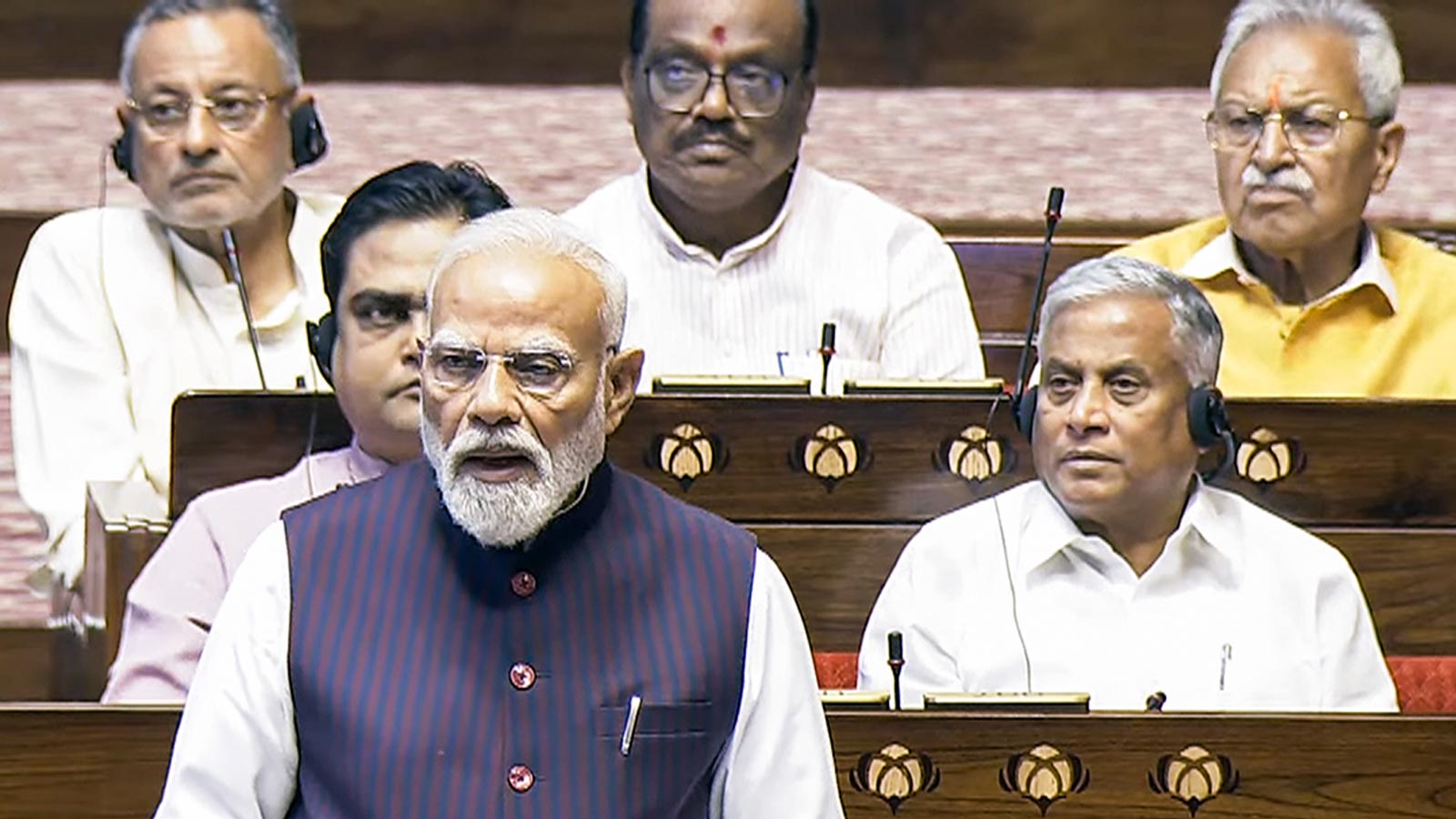
Addressing the Lok Sabha during the ongoing Budget Session, PM Narendra Modi acknowledged the severity of the global situation. He drew direct parallels between the supply chain breakdowns experienced during the Covid-19 era and the current disruptions caused by the US-Iran conflict. The Prime Minister noted that a prolonged war would inevitably lead to serious economic consequences worldwide.
However, he emphatically reassured the Parliament regarding India’s strategic preparedness. Over the past decade, the administration has implemented consistent, far-sighted decisions to insulate the economy from external shocks. A key measure includes the massive diversification of energy imports. India now procures crude oil, liquefied natural gas (LNG), and liquefied petroleum gas (LPG) from 41 different countries, marking a significant increase from the previous 27 nations.
Furthermore, the government has prioritized building substantial crude oil reserves specifically for global crises. State-run oil companies currently maintain robust stocks of petrol and diesel to prevent domestic shortages. PM Modi stated that the government’s primary endeavor remains the safe arrival of cargo ships carrying essential commodities, fertilizers, and fuel.
To learn more, follow Shabdsanchi’s social media pages today and stay updated.
- Facebook: shabdsanchi
- Instagram: shabdsanchiofficial
- YouTube: @shabd_sanchi
- Twitter: shabdsanchi