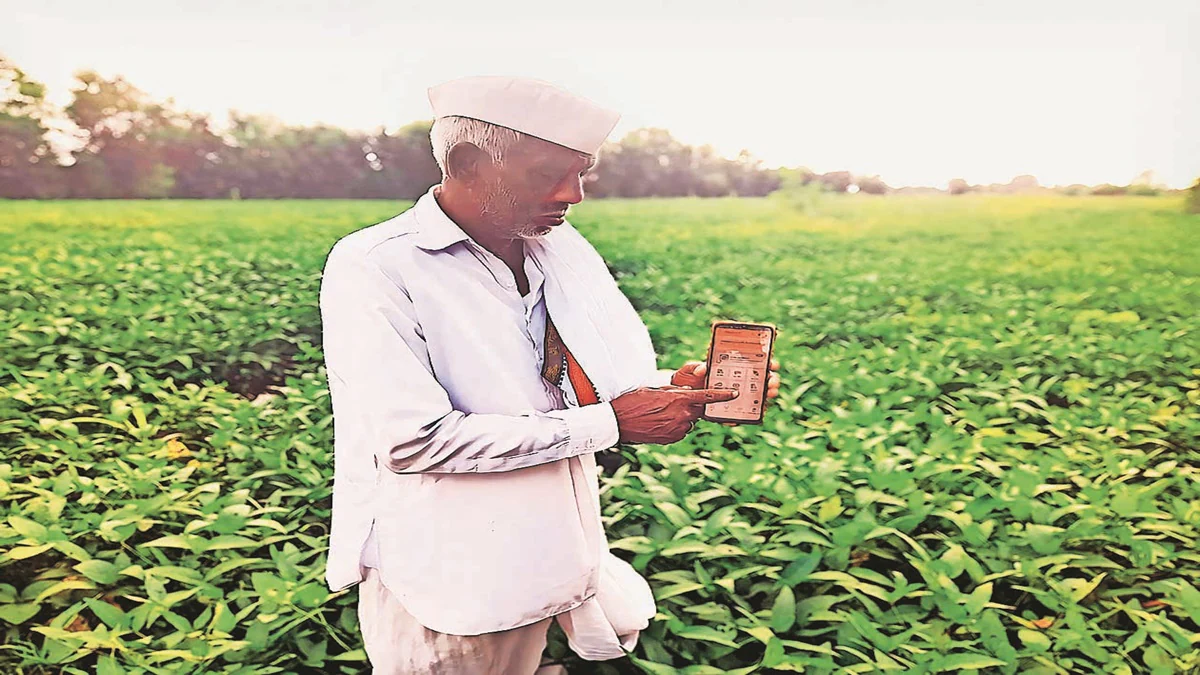
In a major push towards digital agriculture, conglomerate ITC Limited has announced plans to expand AI services for farmers across India. By leveraging its “phygital” ecosystem, ITCMAARS, the company aims to support 10 million agriculturalists. This initiative focuses on integrating advanced Generative AI and agentic workflows to enhance climate resilience, organic farming productivity, and direct market access for rural communities.
A Digital Revolution in the Hinterlands
ITC’s latest strategic move marks a significant evolution in how technology intersects with traditional Indian farming. The company is transitioning its digital infrastructure into a comprehensive “agri-stack.” This system is designed to remove the historical barriers between small-scale farmers and cutting-edge agronomic data.
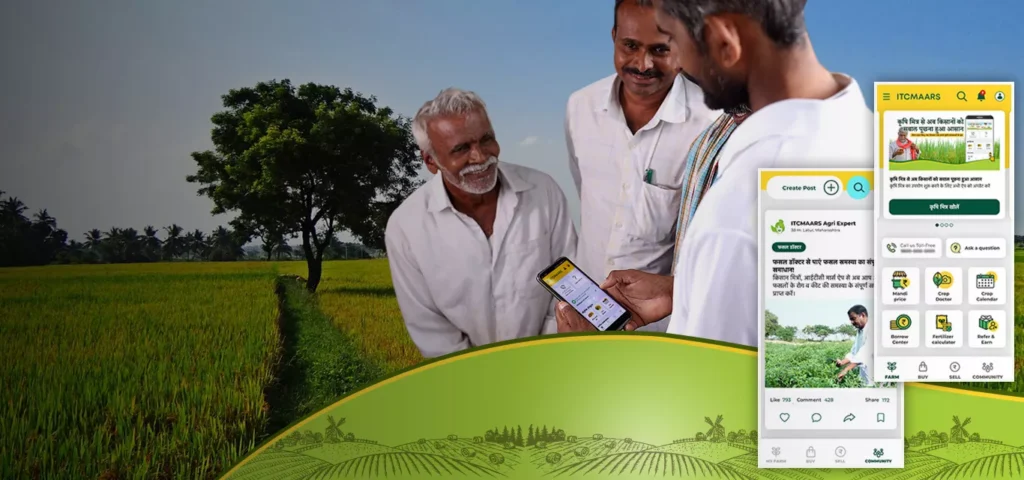
The core of this expansion lies in the ITCMAARS (Metamarket for Advanced Agriculture and Rural Services) platform. By combining high-tech digital tools with on-ground human support, ITC ensures that even those with limited digital literacy can benefit from sophisticated data modeling.
Empowering FPOs and Organic Growers
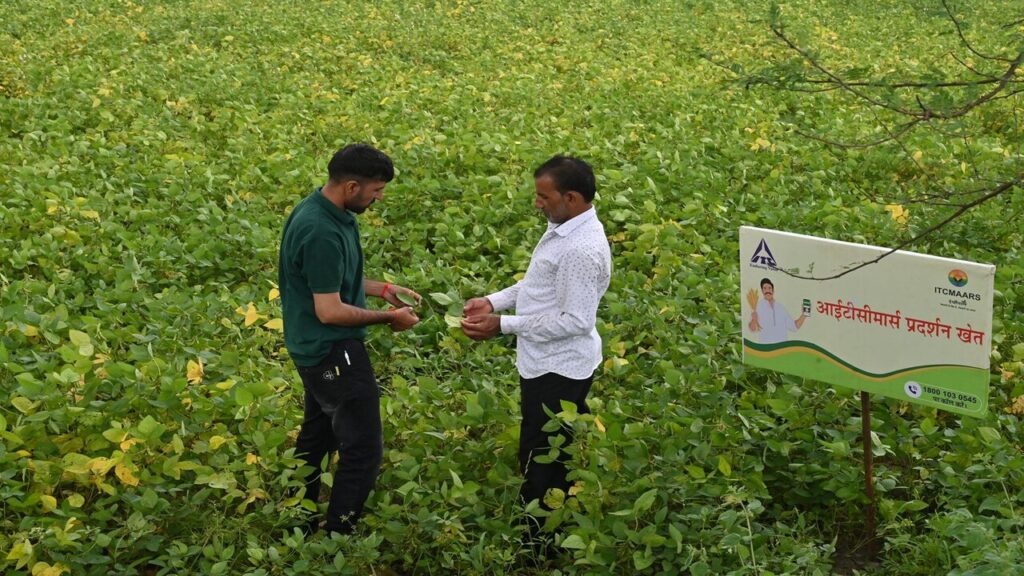
A primary focus of this expansion is the strengthening of Farmer Producer Organisations (FPOs). These collectives often struggle with operational inefficiencies and lack of specialized knowledge. ITC’s AI-driven tools provide tailored advisory services, specifically curated for the nuances of organic farming.
Unlike conventional chemical farming, organic agriculture requires precise intervention and real-time monitoring. The new AI capabilities help farmers track soil health and pest movements without relying on synthetic inputs. This transition not only boosts the value of the produce but also ensures long-term environmental sustainability.
The Power of Agentic AI and Generative Tools
The technological backbone of this initiative includes “Agentic AI.” Unlike standard chatbots that simply answer questions, agentic workflows can execute complex tasks. They can autonomously coordinate between different nodes of the farming cycle—from planning and seed procurement to climate-smart advisories.
S Ganesh Kumar, Divisional Chief Executive of ITC’s Agri Business, highlighted that this “crop-agnostic” model aims to democratize technology. By providing real-time knowledge exchange, the platform acts as a digital assistant that complements human expertise rather than replacing it.
Impact on Yield and Resource Efficiency
The integration of these technologies has already shown measurable success on the ground. Features such as the ‘Crop Doctor’ use image analytics to diagnose plant diseases instantly via a smartphone camera. This immediate feedback loop allows for rapid intervention.
Recent data indicates that these integrated digital initiatives have led to a 10-15 per cent reduction in fertilizer usage. More importantly, farmers have seen a 15-20 per cent improvement in crop yields. These figures represent a significant boost in income for smallholders who operate on thin margins.
Aligning with National Goals
ITC’s roadmap closely mirrors the Indian government’s “Bharat VISTAAR” proposal. Both initiatives prioritize providing real-time, native-language advisories to the rural workforce. Currently, ITC’s AI co-pilot, Krishi Mitra, is available in eight languages, ensuring that linguistic diversity is not a barrier to progress.
Furthermore, the company uses machine learning for advanced climate modeling. As weather patterns become increasingly unpredictable, these models help farmers understand potential yield impacts well in advance, allowing for shifts in sowing patterns or crop choices.
Building a Future-Ready Agri-Ecosystem
The expansion is not just about technology; it is about building a multi-stakeholder ecosystem. By bringing together input providers, financial institutions, and buyers on a single platform, ITC is reducing the “information asymmetry” that typically plagues the Indian agricultural sector.
The company continues to forge new partnerships to enhance the scope of AI applications. As the network grows toward its 10-million-farmer target, the focus remains on making every stage of the farming operation—from crop planning to market discovery—efficient, transparent, and profitable.
To learn more, follow Shabdsanchi’s social media pages today and stay updated.
- Facebook: shabdsanchi
- Instagram: shabdsanchiofficial
- YouTube: @shabd_sanchi
- Twitter: shabdsanchi