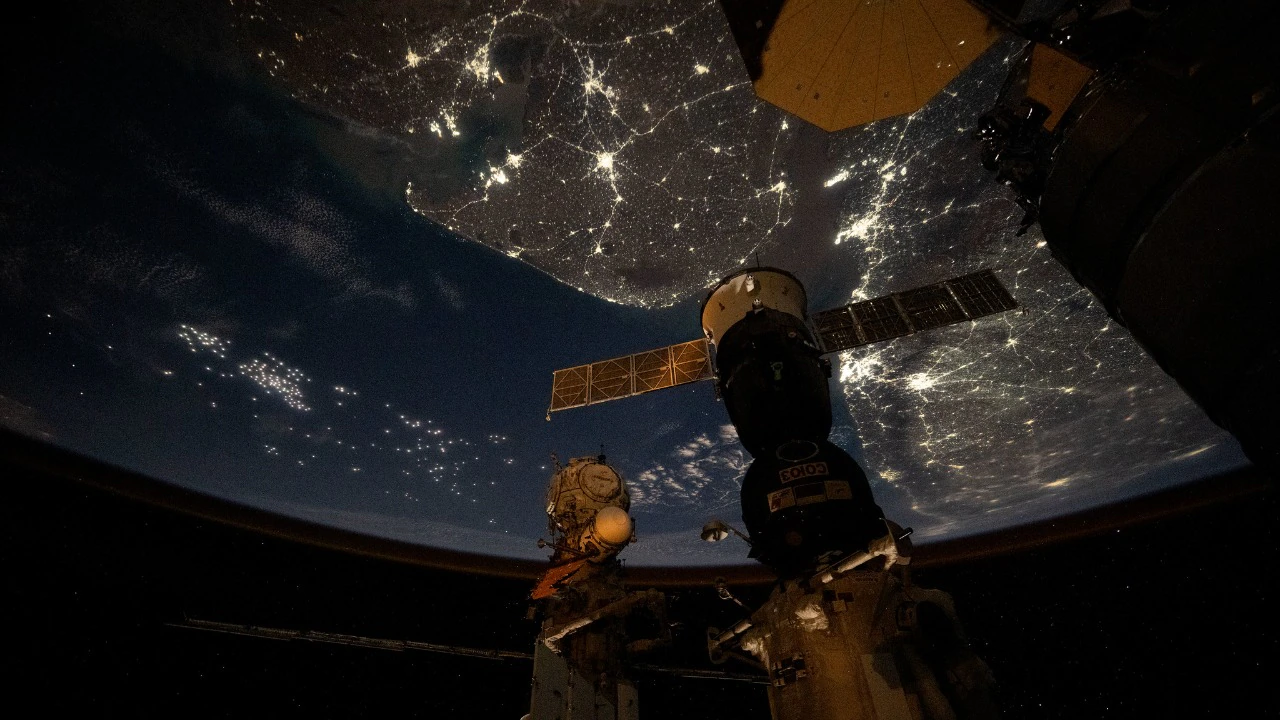
Astronauts aboard the International Space Station (ISS) have released breathtaking nighttime photographs showing India glowing from space. These viral images capture the brilliant lights of major metropolitan areas against the dark Arabian Sea, while offering a faint, majestic glimpse of the towering Himalayan mountain range in the background.
A Breathtaking View from Orbit
The recent images shared on the social media platform X (formerly Twitter) provide a spectacular bird’s-eye perspective of the Indian subcontinent. Captured from an altitude of over 400 kilometres, the photographs highlight the striking intersection of human activity and natural geography.
Parts of the space station, including its massive solar panels, frame the edges of these shots. This framing serves as a stark reminder that this unique viewpoint comes from a human-made outpost orbiting our planet. Released early in the morning, the post quickly gained global attention, with viewers marveling at the sheer beauty of the illuminated landscape.
Spotting Major Cities and the Himalayas
When looking at the pictures of India glowing from space, the sheer density of urban centres becomes immediately apparent. Bright, sprawling clusters of light clearly mark major economic hubs like Mumbai and New Delhi.
These brilliant urban lights stand in sharp contrast to the vast, dark expanse of the neighboring Arabian Sea. Furthermore, beyond the heavily populated northern plains, the faint silhouette of the Himalayas is visible. The dark, unlit peaks provide a natural border, emphasizing the geographical diversity of the region.
Tracking Urbanization and Economic Growth
Beyond their aesthetic appeal, these orbital photographs tell a compelling story about India’s rapid development. The expanding clusters of light directly correlate with areas where people live, work, and build infrastructure.
Over the years, the footprint of these city lights has grown significantly. Scientists and researchers regularly utilize similar nighttime imagery to track urbanization trends. Datasets like NASA’s Black Marble rely on these visual records to study how cities expand over decades, using light density as a proxy for economic progress and regional development.
The Science of Orbital Photography
Capturing such clear and detailed images from the ISS is a complex technical feat. The space station orbits Earth approximately every 90 minutes, traveling at a staggering speed of over 28,000 kilometres per hour.
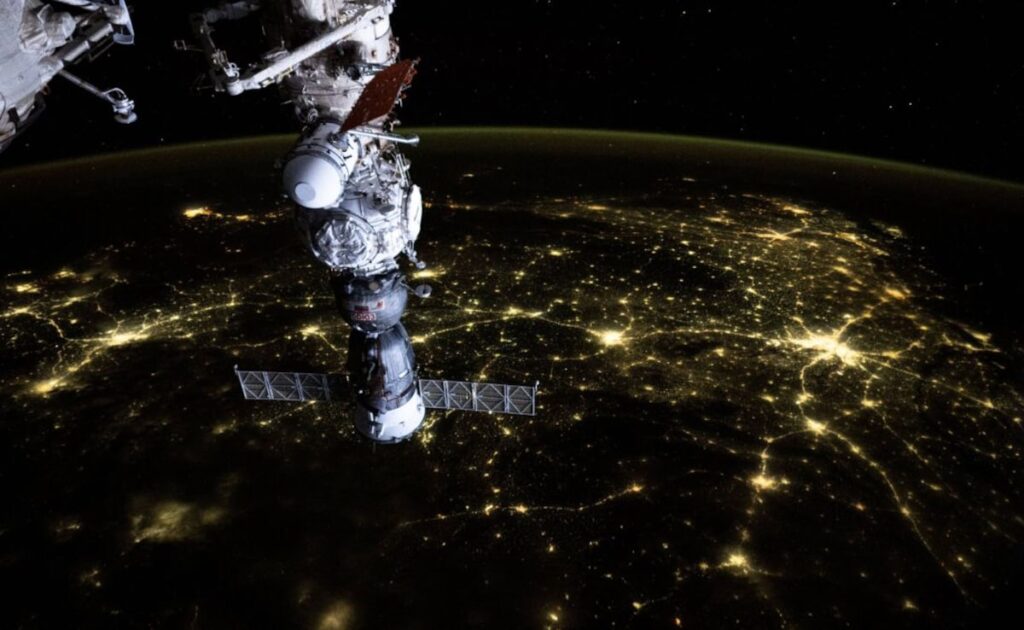
Because of this rapid movement, astronauts must perfectly time their shots to avoid motion blur. The onboard cameras snap continuous panoramas, which are later stitched together to create wide, high-resolution views. Ground-based photography simply cannot match the scale and clarity achieved from this orbital vantage point.
The Environmental Impact: Light Pollution
While the sight of India glowing from space highlights technological and economic advancement, it also raises important environmental concerns. The increasing brightness of the night sky points to a growing issue of light pollution across the subcontinent.
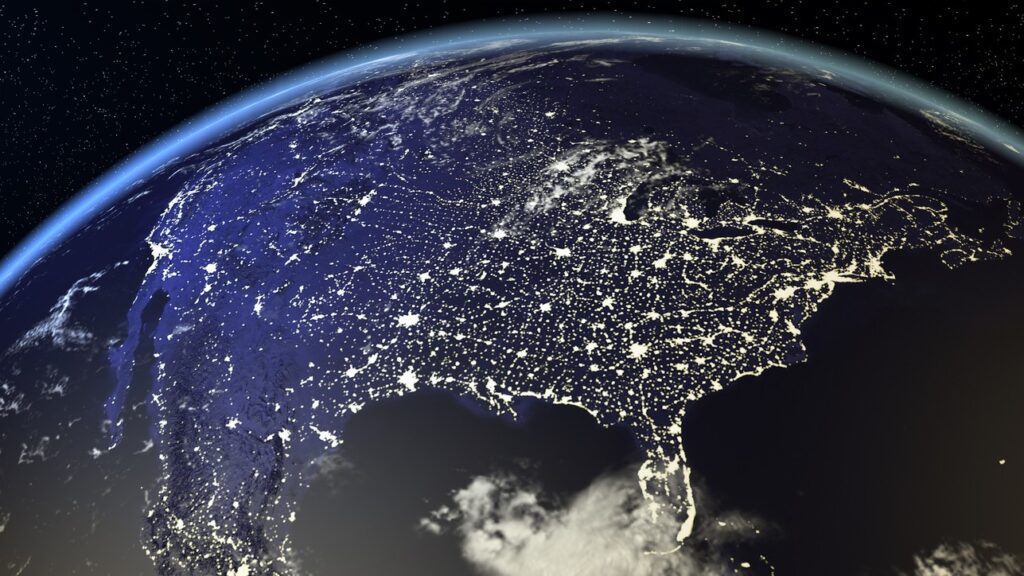
Excessive artificial lighting can disrupt local ecosystems, negatively impacting nocturnal wildlife and migratory birds. Additionally, light pollution washes out the night sky, making stars and celestial bodies much harder to observe from the ground. Environmentalists often use these same satellite images to advocate for smarter, more sustainable urban lighting solutions.
Fostering a Sense of Global Unity
Sharing these extraordinary images serves a broader purpose beyond scientific observation. They help build public excitement about space exploration and encourage a deeper appreciation for our home planet.
Seeing the Earth from above often triggers the “Overview Effect”—a cognitive shift that highlights the fragility and unity of our world. As one social media user aptly commented, viewing the glowing cities from orbit is like “seeing Earth’s heartbeat.” It sparks essential conversations about how human growth affects the global environment.
To learn more, follow Shabdsanchi’s social media pages today and stay updated.
- Facebook: shabdsanchi
- Instagram: shabdsanchiofficial
- YouTube: @shabd_sanchi
- Twitter: shabdsanchi