H1N1 Cases Surge in Delhi: NEW DELHI — The Union Health Ministry issued an urgent directive to all states and UTs to intensify health surveillance after Delhi recorded over 1,700 H1N1 (Swine Flu) cases. Union Health Minister JP Nadda reviewed emergency preparedness, ordering immediate hospital bed allocation, adequate medicine stocks, and early clinical management across Delhi-NCR.
Urgent Health Directive Issued as Seasonal Outbreak Worsens
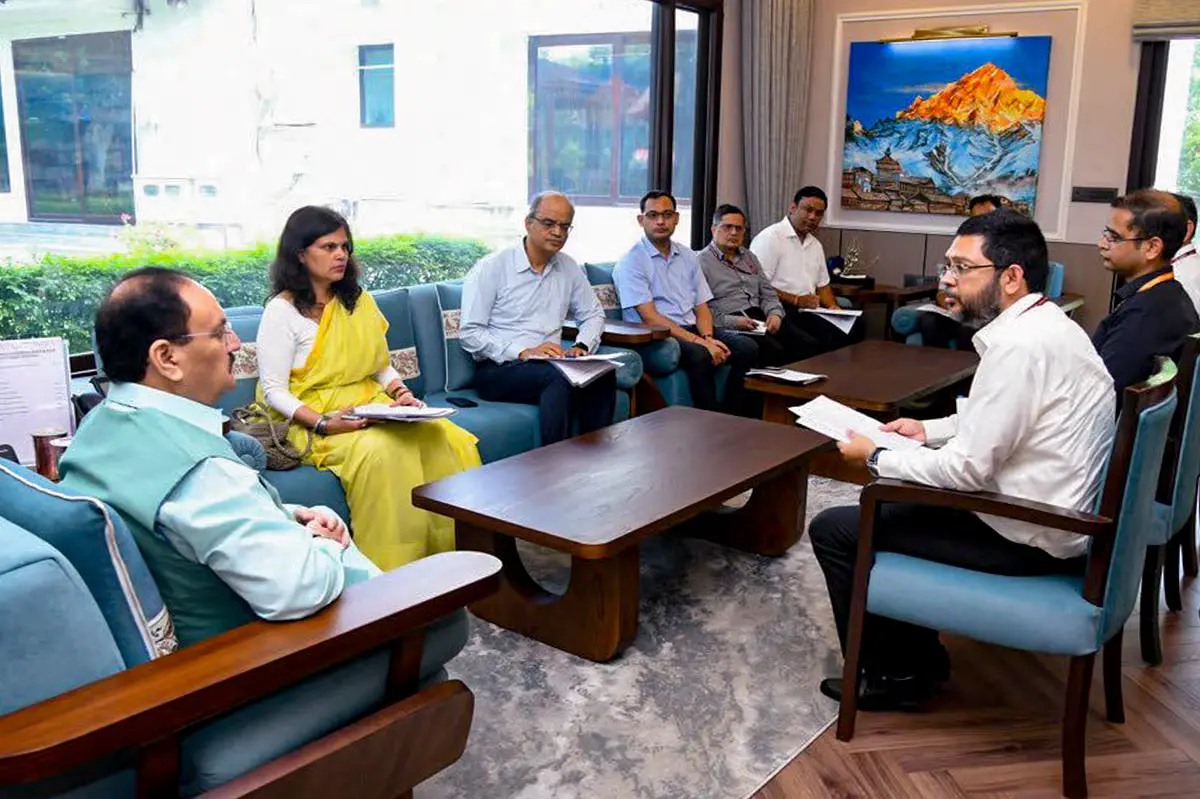
The sudden spike in respiratory illness across the national capital region triggered top-level intervention from the Ministry of Health and Family Welfare. During a high-level review meeting attended by Delhi Health Minister Dr. Pankaj Kumar Singh, central authorities evaluated critical care readiness, ventilator availability, and essential medicine stocks in government and private healthcare institutions.
“The situation is being closely and continuously monitored. The ministry continues to coordinate closely with states, UTs, hospitals, and laboratories to ensure effective surveillance, early detection, and timely clinical management for seasonal influenza, including H1N1,” confirmed official statements from the Union Health Ministry.
Union Health Secretary Punya Salila Srivastava additionally sent detailed advisory letters to state health secretaries. The directive orders mandatory daily tracking of Influenza-like Illness (ILI) and Severe Acute Respiratory Infection (SARI) trends to stop cluster transmission in crowded residential zones and academic institutions.
H1N1 Outbreak Timeline: Key Events & Government Action
- Early August 2026: Initial uptick observed in seasonal flu cases across Delhi-NCR hospitals.
- Mid-August 2026: Delhi crosses 1,700 confirmed H1N1 cases, alongside a simultaneous rise in Dengue infections.
- August 21, 2026: Health Secretary Punya Salila Srivastava writes to all States/UTs to strengthen Acute Respiratory Illness (ARI) preparedness.
- August 22, 2026: Health Minister JP Nadda chairs emergency review meeting with Delhi Health Department officials and medical heads.
- Immediate Mandate: Municipal councillors and civic bodies tasked with community-level awareness drives regarding hygiene and early isolation.
Medical Experts Explain Viral Transmission Drivers
Senior pulmonologists and pathology directors attribute this sharp infection spike to changing weather patterns, high humidity, and increased indoor crowding. Dr. Manav Manchanda, Director and Head of Respiratory, Critical Care & Sleep Medicine at Asian Hospital, highlighted that H1N1 spreads rapidly via respiratory droplets during coughing or sneezing.
Health experts also warned against dangerous delays in seeking medical evaluation. Dr. Harpreet Kaur, Medical Superintendent at Aakash Healthcare, noted a simultaneous increase in Dengue and H1N1 co-infections, stressing that early diagnostic testing prevents severe lung complications and unnecessary hospitalizations.
Political Reaction & Public Health Demands
The infection outbreak sparked political debates regarding municipal awareness efforts. Aam Aadmi Party (AAP) Delhi President Saurabh Bharadwaj expressed serious concern over high-grade fever and flu symptoms spreading through households and primary schools.
Bharadwaj urged municipal agencies to immediately launch door-to-door awareness campaigns, stock dispensaries with Oseltamivir (Tamiflu), and establish designated testing desks. Civic officials confirmed that local municipal councillors will participate directly in neighborhood prevention drives.
Key Preventive Steps and Medical Advice
- Maintain Strict Respiratory Hygiene: Cover mouth and nose with tissue or elbow while coughing or sneezing.
- Ensure Regular Hand Washing: Wash hands frequently with soap or alcohol-based sanitizers.
- Avoid Crowded Settings: Wear high-filtration masks in closed spaces, public transit, and medical centers.
- Isolate Promptly: Individuals displaying fever, chills, or sore throat should self-isolate to prevent family transmission.
- Seek Urgent Care: Immediate medical attention is vital if patients experience shortness of breath, chest pain, or persistent fever above 102°F.
Read Also: Shankesh Jewellers IPO Review: Attractive Valuation, but What’s the Catch?
Frequently Asked Questions (FAQs)
Q1: What are the primary symptoms of H1N1 swine flu?
H1N1 swine flu symptoms include high fever, persistent cough, sore throat, severe body aches, fatigue, and runny nose. Some patients experience respiratory distress or vomiting. Symptoms appear rapidly within 1 to 4 days after viral exposure, requiring prompt medical evaluation.
Q2: How is the H1N1 virus spreading in Delhi?
The H1N1 virus spreads mainly through infectious respiratory droplets produced when an infected person coughs, sneezes, or talks. It also spreads by touching contaminated surfaces and then touching mouth or nose. Closed, crowded indoor spaces heavily increase airborne transmission risks.
Q3: What guidelines did Health Minister JP Nadda issue?
Union Health Minister JP Nadda ordered states to strengthen early clinical detection, monitor ILI and SARI trends, and maintain sufficient hospital beds, oxygen supplies, and critical care facilities. He emphasized municipal participation to build public awareness on basic respiratory hygiene.
Q4: Is H1N1 swine flu preventable through vaccination?
Yes, annual quadrivalent influenza vaccines provide effective protection against circulating H1N1 strains. Health authorities recommend seasonal flu shots for high-risk populations, including young children, elderly citizens, pregnant women, healthcare workers, and individuals with chronic medical conditions like asthma or diabetes.
Q5: When should an H1N1 patient seek emergency hospital admission?
Emergency medical care is necessary if a patient experiences severe breathing difficulty, persistent chest pressure, sudden dizziness, confusion, or uncontrollable high fever. Children showing bluish skin tones or lethargy need immediate critical care evaluation at the nearest emergency healthcare facility.
Conclusion: What Happens Next?
The upcoming weeks remain critical for Delhi-NCR and neighboring Northern states. As seasonal weather transitions continue, viral transmission risks remain high. The proactive involvement of local civic bodies, coupled with strict monitoring of SARI/ILI trends by hospitals, will determine how quickly infection curves flatten.
For real-time health advisories and diagnostic guidelines, consult official communications from the Ministry of Health and Family Welfare (MoHFW) and the Indian Council of Medical Research (ICMR). Prompt clinical care and strict personal hygiene remain the strongest defense against this outbreak.