
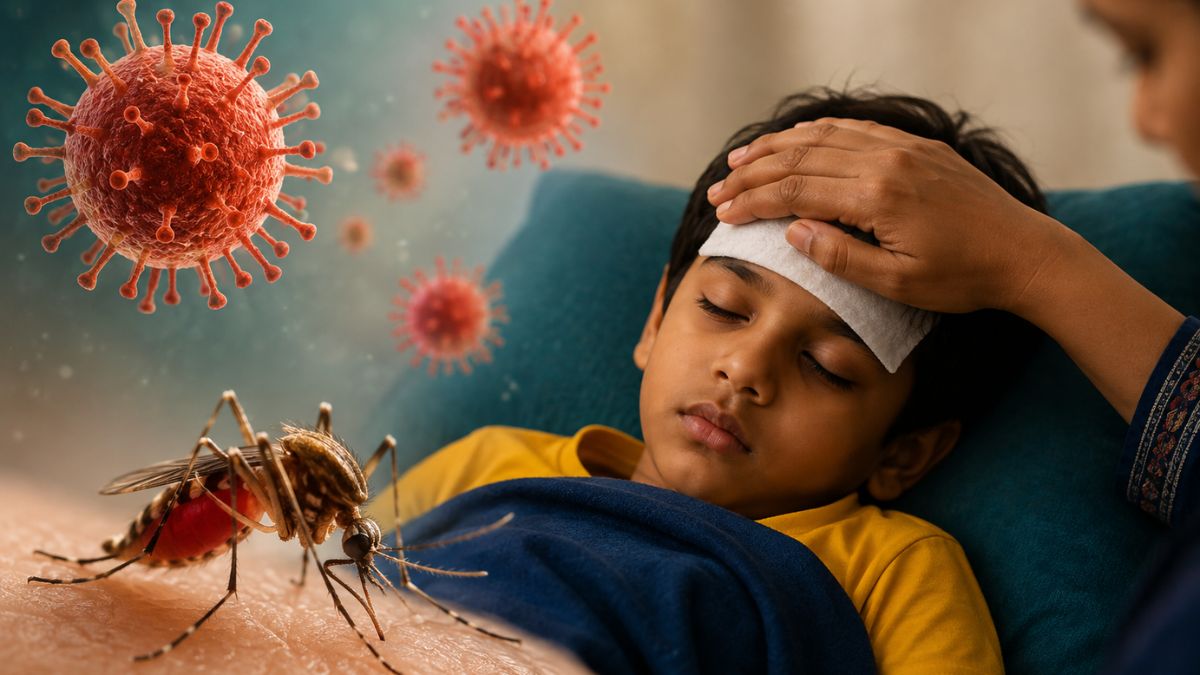
Health authorities in Gujarat have reported 22 fatalities and 35 confirmed cases attributed to the Chandipura virus (CHPV). With seven young patients requiring critical intensive care unit (ICU) support on mechanical ventilators, public health departments across the state have initiated emergency vector control and monitoring protocols.
Understanding the Chandipura Virus (CHPV) Outbreak in Gujarat
Current Outbreak Numbers and Severity
The ongoing health emergency in Gujarat highlights the rapid and dangerous nature of the Chandipura virus. According to state health updates, 22 children have succumbed to complications arising from the infection, while dozens more remain hospitalized under close medical observation. Outbreaks typically correlate with environmental conditions during monsoon and post-monsoon months when vector populations surge.
What is Chandipura Virus and How Does It Spread?
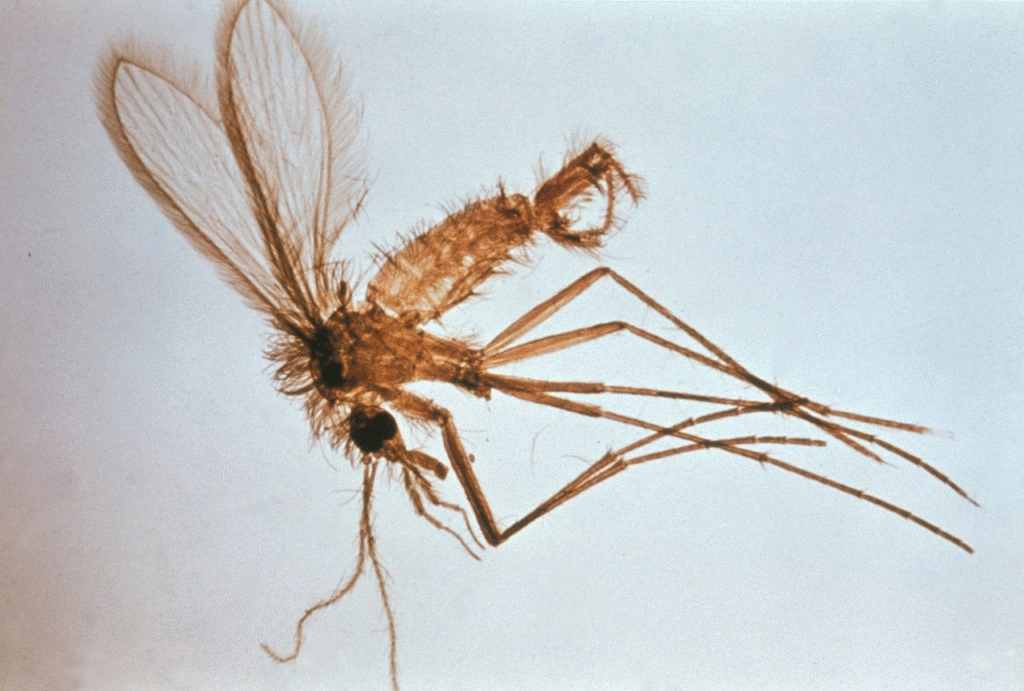
First identified in 1965 in Chandipura village, Maharashtra, the Chandipura virus belongs to the Rhabdoviridae family. It is primarily a vector-borne pathogen transmitted through the bite of infected sandflies (specifically of the genus Phlebotomus), as well as certain species of mosquitoes and ticks.
| Step | Stage | Description |
| 1 | Initial Vector Exposure | Infected Sandfly / Tick / Mosquito Bite |
| 2 | Viral Replication | Replication in Host Tissues |
| 3 | CNS Invasion | Breaching Blood–Brain Barrier (BBB) |
| 4 | Disease Manifestation | Acute Encephalitis & Severe Brain Inflammation |
Unlike respiratory viruses, Chandipura virus does not spread directly from person to person through casual contact, coughing, or sneezing. Infection occurs strictly when an infected insect bites a human host.
Why Children Under 15 Are at Highest Risk
The Chandipura virus disproportionately impacts young children, with historical and recent data showing that the vast majority of severe cases and deaths occur in children under the age of 15. Pediatricians and neuro-infectious disease experts attribute this heightened vulnerability to three main factors:
1. Immaturity of the Blood-Brain Barrier
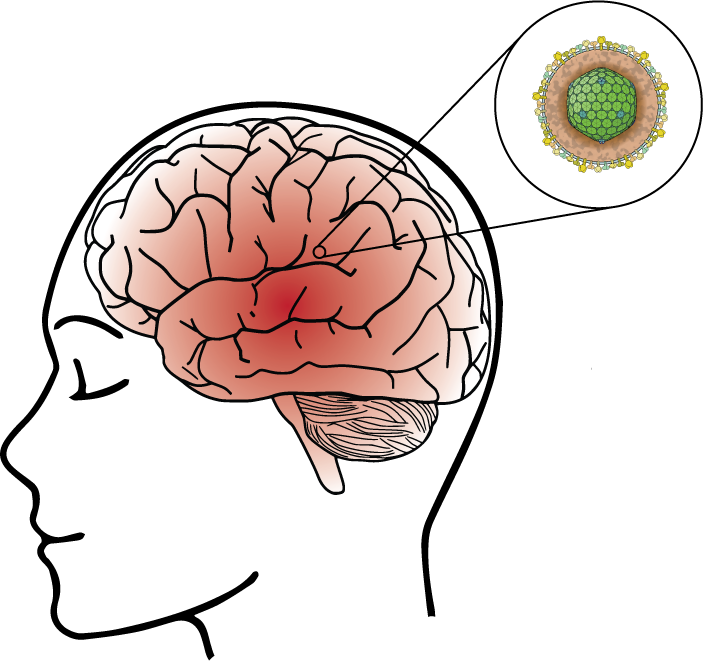
In infants and young children under five, the blood-brain barrier (BBB)—the protective vascular membrane that prevents pathogens from entering central nervous system tissue—is still developing. The Chandipura virus aggressively targets neural tissue; because a child’s blood-brain barrier is less mature, the virus penetrates the brain rapidly, triggering immediate cortical swelling and severe encephalitis.
2. Ground-Level Play Habits and Vector Exposure
Sandflies are weak fliers compared to mosquitoes; they remain low to the ground, typically hovering within a few feet of floor surfaces. Young children spend significant time sitting, crawling, playing, or sleeping on floors or unpaved outdoor grounds. When limbs are left uncovered, children become prime targets for sandfly bites.
यह भी पढ़ें: MCC NEET UG Counselling 2026: Round 1 Registration Commences Today at mcc.nic.in
3. Communication Barriers in Early Symptom Reporting
Unlike adults, toddlers and young kids cannot articulate early neurological discomforts like localized headaches, dizziness, or confusion. Consequently, initial infection stages are often missed, and medical intervention occurs only after severe neurological symptoms like seizures or altered consciousness manifest.
Warning Symptoms: What Parents Should Watch For
The hallmark of Chandipura viral encephalitis is its extremely rapid progression. A child can progress from mild discomfort to critical condition within 24 to 48 hours.
                  Progression Timeline of Symptoms
            ┌──────────────────────────────────────────────┐
            │ Phase 1: High Fever & Vomiting (Hours 0–12)  │
            ├──────────────────────────────────────────────┤
            │ Phase 2: Drowsiness & Irritability (12–24h)  │
            ├──────────────────────────────────────────────┤
            │ Phase 3: Seizures & Loss of Consciousness    │
            └──────────────────────────────────────────────┘
Initial Febrile Phase
- Sudden High Fever: High-grade fever striking without significant prior warning.
- Persistent Vomiting: Repeated episodes that rapidly lead to dehydration.
- Severe Headache & Lethargy: Unusual tiredness, persistent crying, or refusal to feed.
Rapid Neurological Progression
- Unusual Drowsiness or Confusion: Difficulty waking up or extreme disorientation.
- Convulsions and Seizures: Involuntary muscular twitching or full-body fits caused by brain inflammation.
- Loss of Head Control & Floppy Limbs: Sudden loss of muscle tone.
- Altered Consciousness / Coma: In severe, untreated cases, brain edema can induce rapid loss of consciousness.
Critical Note for Parents: If a child exhibits sudden high fever accompanied by unexplained drowsiness, persistent vomiting, or muscle twitching, seek emergency hospital care immediately. Do not adopt a “wait-and-see” approach.
Diagnosis and Medical Treatment Protocols
Diagnostic Testing Methods
Because Chandipura encephalitis presents similarly to other forms of Acute Encephalitis Syndrome (AES), accurate diagnosis requires specialized laboratory testing:
- RT-PCR (Reverse Transcription Polymerase Chain Reaction): Detects viral RNA in blood serum or cerebrospinal fluid (CSF) samples.
- IgM ELISA Testing: Identifies specific antibodies generated by the host against the virus.
- Neuroimaging (CT/MRI): Assesses the degree of cerebral edema and inflammation in frontal and temporal brain regions.
Supportive ICU Care and Management
Currently, there is no specific antiviral drug or vaccine available for Chandipura virus. Medical management focuses entirely on aggressive supportive care to sustain life and minimize brain damage:
| Treatment Objective | Clinical Intervention |
| Airway Protection | Mechanical ventilation in ICUs for patients with severe consciousness impairment. |
| Brain Swelling Reduction | Administration of osmotic diuretics (e.g., mannitol) to manage intracranial pressure. |
| Seizure Control | Intravenous anticonvulsants to arrest continuous fit activity. |
| Hemodynamic Stability | Fluid management and electrolyte balance maintenance to prevent septic shock. |
Government Action and Public Health Measures in Gujarat
In response to the rising case count, the Gujarat State Health Department, under administrative monitoring, has enacted several preventive emergency measures:
- Mass Dusting & Vector Elimination: Intensive dusting using Malathion powder around mud walls, animal shelters, and crack-prone structures where sandflies breed.
- Door-to-Door Fever Surveillance: Healthcare workers are actively screening households in high-risk rural districts to identify symptomatic children early.
- Hospital ICU Readiness: District hospitals have reserved dedicated pediatric ventilator beds equipped with emergency neuro-critical care supplies.
- Public Awareness Campaigns: Educating families to seal structural cracks in homes and adopt protective attire during peak sandfly activity hours.
Practical Prevention Strategies for Households
Because sandflies thrive in mud cracks, organic debris, and humid spaces, targeted sanitation dramatically cuts infection risks:
- Seal Cracks and Crevices: Fill holes and cracks in residential walls, particularly in mud or unplastered brick homes.
- Use Insecticide-Treated Nets: Ensure children sleep under fine-mesh bed nets treated with pyrethroids.
- Apply Insect Repellents: Use skin-safe repellents containing DEET or Picaridin on exposed arms and legs during dusk and dawn.
- Dress Children in Full Coverage: Opt for long-sleeved shirts and full pants when kids play outdoors.
- Eliminate Waste and Dampness: Keep surroundings free from decaying vegetation, animal manure, and damp soil piles.
Frequently Asked Questions (FAQs)
What is the Chandipura virus?
Chandipura virus (CHPV) is a vector-borne pathogen belonging to the Rhabdoviridae family. It primarily spreads to humans through the bites of infected sandflies. The virus causes Acute Encephalitis Syndrome (AES), leading to rapid inflammation of brain tissue, predominantly in children under 15 years.
How does the Chandipura virus spread among humans?
Chandipura virus spreads strictly through the bites of infected vectors, mainly sandflies (Phlebotomus genus) and occasionally mosquitoes or ticks. It does not spread directly from person to person through respiratory droplets, physical touch, or shared utensils, making vector control the primary defense mechanism.
Why are children more vulnerable to Chandipura virus?
Children are most vulnerable because their blood-brain barrier is immature, allowing the virus to breach central nervous system tissues easily. Additionally, children frequently play close to the ground where sandflies inhabit and may not clearly communicate early symptoms like mild headaches or nausea.
What are the early signs of Chandipura virus infection?
Initial symptoms include sudden high-grade fever, severe headache, continuous vomiting, and extreme lethargy. As the disease progresses rapidly, children may experience severe convulsions, muscle weakness, confusion, floppy limbs, or loss of consciousness, requiring immediate emergency hospitalization.
Is there a cure or vaccine for Chandipura virus?
No specific antiviral treatment or preventive vaccine currently exists for Chandipura virus infection. Medical care is strictly supportive, focusing on controlling seizures, reducing brain swelling, maintaining respiratory function via ventilators, and stabilizing vital signs in intensive care units.
Conclusion
The resurgence of the Chandipura virus in Gujarat underscores the critical need for heightened community awareness, rapid medical intervention, and systematic vector control. Because the virus progresses swiftly in young children, recognizing red-flag symptoms like sudden fever, vomiting, and unusual drowsiness can mean the difference between timely recovery and critical complications. By maintaining proper sanitation, sealing wall crevices, using protective netting, and seeking immediate medical attention at the first sign of distress, families can effectively safeguard their children against this dangerous pathogen.


