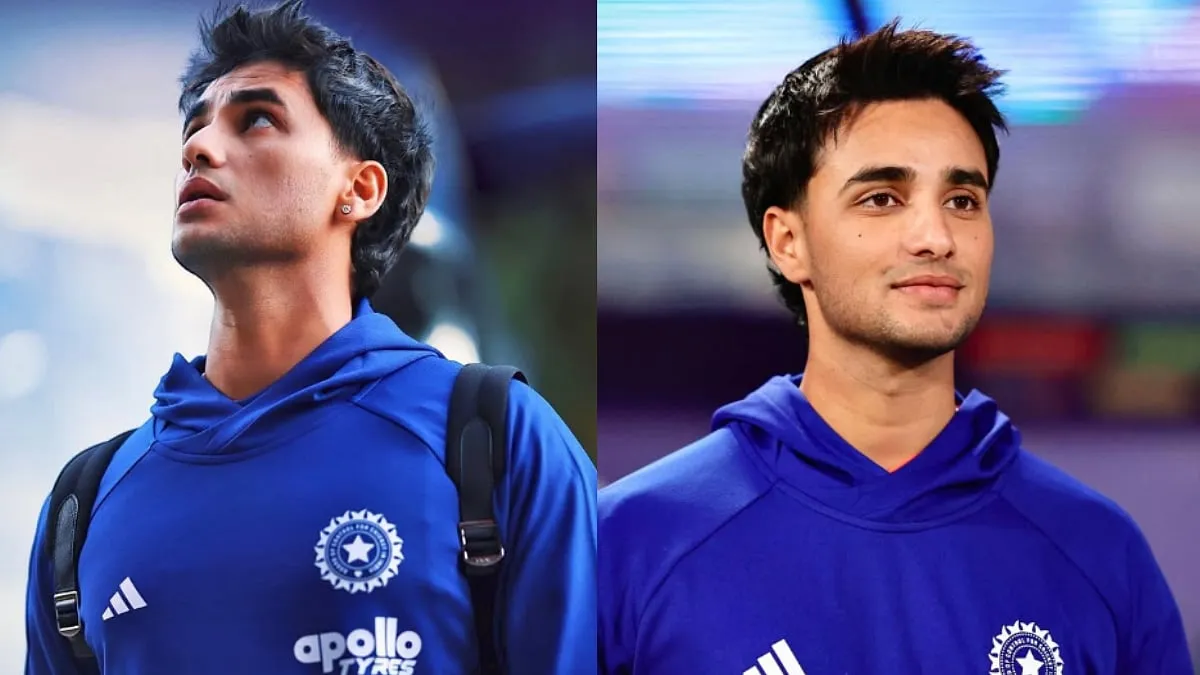
The boundary lines of fame are expanding rapidly beyond the 22 yards of a cricket pitch. In an era where digital content can be replicated, altered, and distributed globally in a matter of seconds, public figures are finding themselves increasingly vulnerable. Indian national team opener and explosive Sunrisers Hyderabad all-rounder Abhishek Sharma has officially moved the Delhi High Court, filing a lawsuit seeking the legal protection of his personality rights.
The suit highlights a mounting crisis for modern celebrities: the unauthorized exploitation of their name, image, likeness, and identity across online platforms, heavily aggravated by the rise of artificial intelligence (AI) manipulation. Heard before the single-judge bench of Justice Jyoti Singh, the case has ignited an essential judicial discourse surrounding digital identity, corporate intermediary compliance, and the legal definition of a persona.
The Core of the Matter: Why Abhishek Sharma Headed to Court
Abhishek Sharma—fresh from spectacular assignments with the national side in the 2026 international calendar—approached the judiciary to curb widespread digital misuse. According to the plaintiff, several online entities and uniform resource locators (URLs) have actively exploited his name and image without consent.
The legal grievance took a critical turn during the court proceedings, where his counsel, Advocate Thakur, presented evidence that went far beyond everyday internet commentary.
“The case involves a targeted manipulation of the plaintiff’s image through advanced AI technology rather than the mere unauthorized publication of a photograph.” — Counsel for Abhishek Sharma
The suit argued that an original photograph featuring the young Indian cricketer alongside his manager was downloaded, fed into an artificial intelligence model, and altered. By shifting the context and overall appearance of the photo, the content creators distributed a highly misleading AI-generated image that conveyed a completely false narrative to the public, exploiting his commercial persona.
Read Also: Women’s T20 World Cup: Virat Kohli and Anushka Sharma Spotted at Lord’s, Cheering for Team India
The “Thin Line”: Delhi HC on Defamation vs. Publicity Rights
As the arguments unfolded, Justice Jyoti Singh raised insightful observations regarding how law operates in the digital wild west. The court highlighted that modern internet litigations frequently present an overlapping gray area.
      [ THE DIGITAL CONFLICT OVERLAP ]

   +-------------------+       +-------------------+
   |    DEFAMATION     |       | PERSONALITY RIGHTS|
   | (False Statements | <---> | (Unauthorized Use |
   | Damaging Rep)     |  Thin | of Likeness &     |
   +-------------------+  Line | Commercial Value) |
                               +-------------------+
Justice Singh noted that courts see this overlap daily. While a defamatory matter contains elements that ruin a person’s reputation through false statements, it can simultaneously infringe upon their personality rights if their likeness is utilized to drive traffic or commercial traction under false pretenses.
Intermediaries Push Back: Meta’s Defense
Advocate Varun Pathak, representing Meta, provided a counter-narrative concerning the massive scale of the takedown demands. While Sharma’s legal team initially brought forth roughly 25 specific URLs, the number of allegedly infringing links mentioned expanded dramatically to nearly 4,000 links.
Meta argued that:
- Many links fall into standard “paparazzi kind of” reporting, which shouldn’t strictly violate publicity rights.
- False or unsavory claims should be tried under classic defamation or privacy frameworks, rather than personality rights.
- Forcing tech intermediaries to screen and remove thousands of URLs critical of an individual essentially tasks them with “cleaning up the entire internet,” creating immense practical and systemic bottlenecks.
Recognizing the technical gaps, Justice Jyoti Singh deferred the matter, instructing Abhishek Sharma’s counsel to file an additional affidavit meticulously mapping out the specific screenshots alongside corresponding tables mentioned in the suit before the next hearing.
Understanding Personality Rights in India
Unlike the United States, where “Right of Publicity” is deeply codified in several state statutes, India treats personality rights through a mix of common law, judicial precedents, and Article 21 of the Constitution (Right to Privacy and Dignity).
Personality rights refer to the exclusive right of a celebrity to control the commercial exploitation of their identity. This includes their name, voice, signature, photographs, and unique behaviors.
Precedents in the Delhi High Court
The Delhi High Court has emerged as India’s primary battleground for intellectual property and celebrity rights protection. Over the years, the court has consistently granted sweeping interim injunctions (often referred to as John Doe or Ashok Kumar orders) to safeguard prominent individuals against commercial pilferage.
| Protected Personalities | Primary Sector | Key Protection Granted |
| Sunil Gavaskar | Sports / Cricket | Restricting unauthorized use of name/voice in AI formats |
| Sudhir Chaudhary | Media / Journalism | Prevention of deepfake AI video circulations |
| Aman Gupta | Entrepreneurship | Blocking unauthorized use of likeness in fraudulent ads |
| Allu Arjun & Mohanlal | Cinema / Entertainment | Strict control over digital merchandising and deepfakes |
The AI Factor: Why Deepfakes and Manipulated Media are Changing Law
The rapid democratization of generative AI tools means that creating a convincing image or voice clone of an athlete like Abhishek Sharma takes less than two minutes. Bad actors utilize these tools for two primary reasons:
- Clickbait and Traffic Generation: Using a cricketer’s likeness to lure unsuspecting fans to malicious blogs, betting applications, or sketchy YouTube videos.
- Endorsement Spoofing: Creating a false impression that a star player endorses a particular narrative, lifestyle, or consumer brand.
For sports stars, these unauthorized associations do not just harm personal reputation; they lead to massive economic losses and breach multi-million rupee exclusive brand endorsement contracts.
Read Also: Ireland T20 Whitewash: Did IPL Habits and Poor Adaptability Sink Team India?
Conclusion: A Turning Point for Sports Stars
Abhishek Sharma’s legal move signals that India’s Gen-Z cricketers are highly conscious of their intellectual property assets. They are no longer passive bystanders to digital manipulation.
As the Delhi High Court dives deeper into the technical details of the affidavit, this case will undoubtedly help define the exact boundaries of automated filtering. It forces the law to answer a foundational question: Where does the right to report or critique end, and where does the illegal exploitation of a person’s digital identity begin?
Frequently Asked Questions (FAQs)
1. What are personality rights under Indian law?
Personality rights allow celebrities to protect their unique identity (name, voice, image, and likeness) from unauthorized commercial exploitation. In India, it is protected via a combination of the Right to Privacy (Article 21) and common law passing-off principles.
2. Why did cricketer Abhishek Sharma file a case in the Delhi High Court?
Abhishek Sharma filed the lawsuit because his original photographs were allegedly manipulated using Artificial Intelligence (AI) tools to create misleading contexts, alongside the unauthorized distribution of his persona across thousands of URLs.
3. What was Meta’s stand during the court hearing?
Meta argued that expanding a personality rights claim to thousands of URLs (around 4,000 links) makes compliance difficult for platforms. They stated that critical or gossip-related content should be addressed via defamation laws rather than personality rights.
4. What did Justice Jyoti Singh say about the case?
Justice Jyoti Singh observed that there is a “thin line” and an ongoing overlap between defamation and personality rights in the digital landscape. The court directed Sharma’s legal team to file an additional affidavit aligning exact screenshots with the plaint tables.
5. Have other Indian cricketers sought similar legal protection?
Yes. Legendary cricketer Sunil Gavaskar previously moved courts for the protection of his personality rights, especially against unauthorized AI voice cloning and false corporate associations.
For more information, follow Shabdsanchi‘s social media pages today and stay updated.
- Facebook: shabdsanchi
- Instagram: shabdsanchiofficial
- YouTube: @shabd_sanchi
- Twitter: shabdsanchi