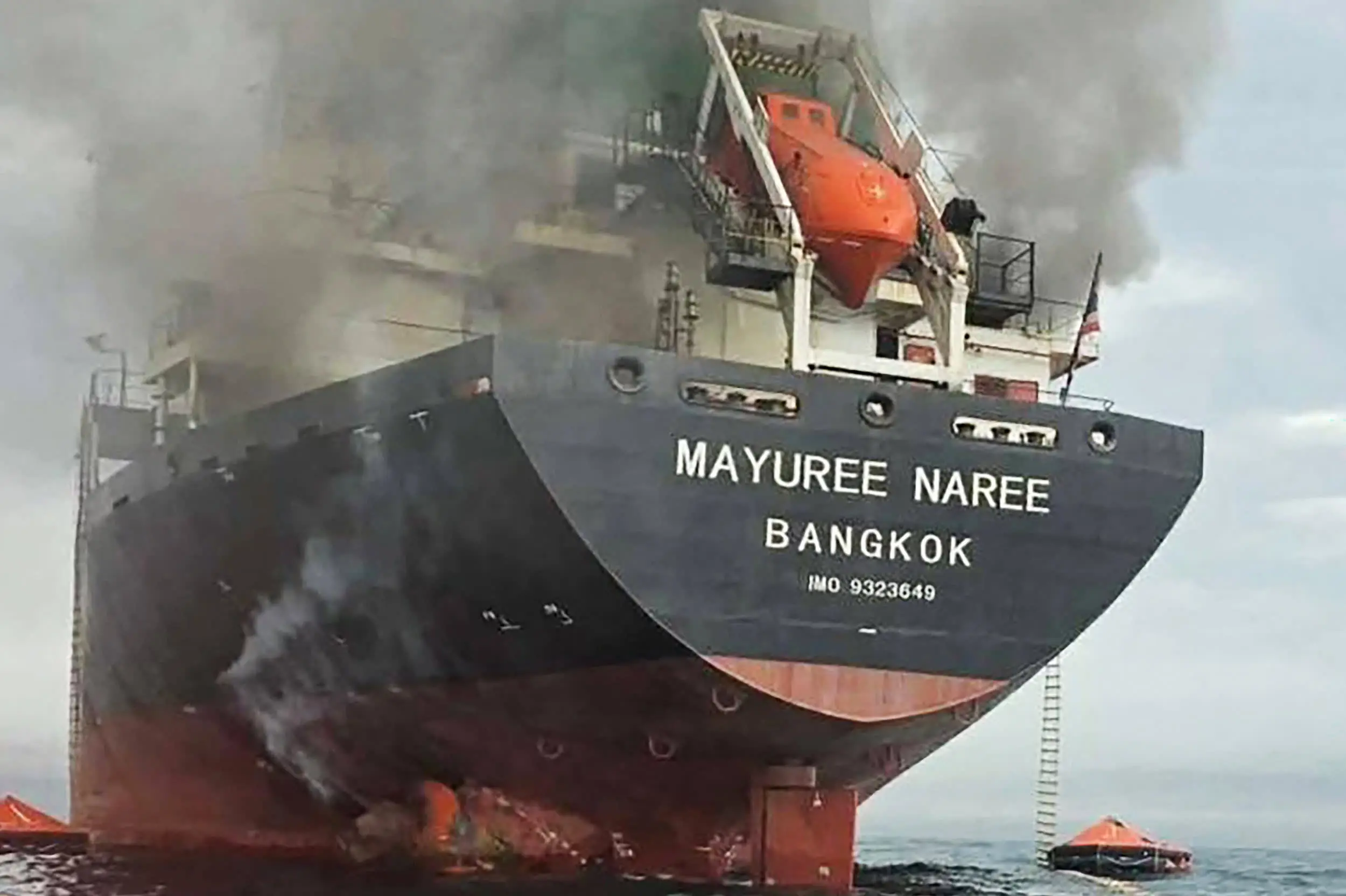
As the US Iran war escalation reaches its 13th day, the conflict has rapidly spilled into global waterways, triggering a massive energy crisis. With oil tankers ablaze near the Strait of Hormuz and millions displaced, the International Energy Agency is warning of an unprecedented disruption to worldwide oil supplies.
The conflict between the United States, Israel, and Iran has officially entered a dangerous new phase. The battleground is no longer confined to land borders; it has aggressively expanded into the critical maritime routes of the Middle East. This shift poses a severe threat to international trade and global economic stability.
Global Oil Supply Disrupted Amid US Iran War Escalation
The world is currently facing what the International Energy Agency (IEA) describes as the most significant supply disruption in the history of the global oil market. The flow of crude and essential oil products through the Strait of Hormuz has been reduced to a mere trickle. This critical waterway normally transports roughly one-fifth of all global crude oil shipments.
Recent days have seen a dramatic increase in maritime hostility. Two foreign oil tankers located in Iraqi waters were heavily damaged and set ablaze following an Iranian attack. While emergency teams managed to rescue 38 crew members, at least one fatality was reported. Consequently, operations at Iraq’s vital oil ports have been completely halted.
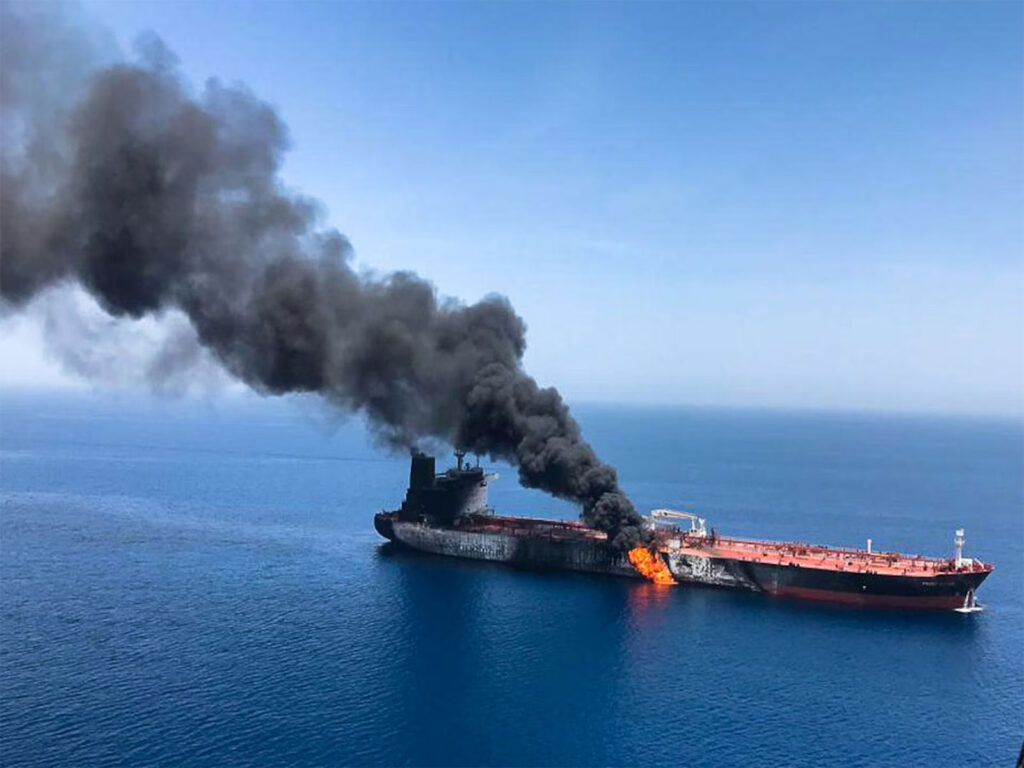
The chaos extends beyond Iraq. Emergency response crews in Oman are currently battling a massive fire at fuel storage tanks. Visual evidence suggests the blaze was ignited by an Iranian drone strike targeting the port facilities. Similarly, authorities in Bahrain confirmed that their northern fuel tanks were targeted in early morning strikes on Thursday.
Commercial Shipping Under Direct Threat
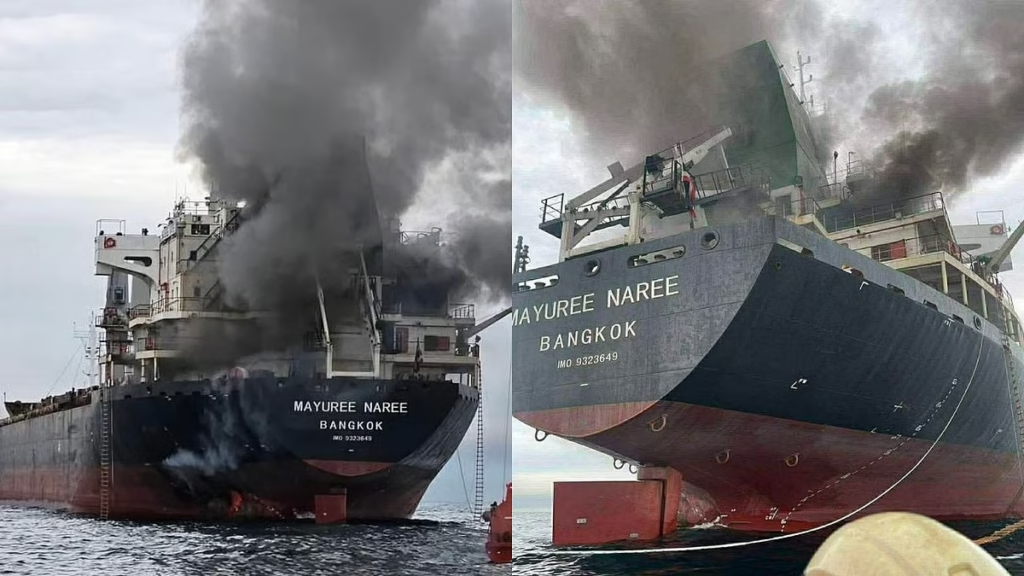
The danger to commercial shipping is escalating rapidly. A container ship off the coast of the United Arab Emirates was struck by an unidentified projectile early Thursday. This incident closely followed attacks on three other vessels near the Strait of Hormuz. In total, six commercial vessels have been hit in the Persian Gulf within just 48 hours.
In response to this severe threat to global shipping lanes, representatives from G7 nations convened an emergency meeting. Discussions are currently underway regarding the possibility of deploying naval escorts to protect commercial ships, provided that security conditions allow for such operations to commence safely.
Unprecedented Measures by the IEA and US
To combat the plunging global oil supply—which the IEA estimates will drop by a staggering 8 million barrels per day this month—drastic international countermeasures are being implemented. Member countries of the IEA have agreed to release 400 million barrels of oil into the global market. This marks the largest coordinated release of emergency oil stocks in history.
Following the IEA’s historic announcement, US President Donald Trump authorized the release of 172 million barrels from the US Strategic Petroleum Reserve. These releases are scheduled to begin next week. However, despite these massive interventions, market panic remains high. Oil prices surged past the $100 per barrel mark once again overnight, reflecting deep anxieties about long-term supply stability.
Asian Nations Enforce Drastic Energy Saving Rules
The ripple effects of the US Iran war escalation are hitting Asian economies particularly hard. Several nations are taking immediate and drastic actions to reduce their domestic oil consumption and prevent complete grid failures.
In Bangladesh, authorities have ordered the closure of universities to conserve critical energy resources. Pakistan has implemented strict austerity measures, shutting down physical schools and forcing public services to transition online. Vietnam has issued urgent appeals to corporate entities, encouraging a massive shift toward remote working models. Meanwhile, the government in Thailand has officially mandated that state employees must work from home.
Military Strikes Intensify Across Multiple Fronts
On the ground, the military confrontation shows no signs of slowing down. Iran’s Islamic Revolutionary Guard Corps (IRGC) announced that it executed a coordinated joint attack alongside Hezbollah militants against Israel. This massive operation involved striking more than 50 distinct targets during five hours of sustained, intense fire on Wednesday.
The Israeli military swiftly retaliated with a comprehensive wave of airstrikes. These operations specifically targeted Hezbollah infrastructure deeply embedded across Lebanon. Tragically, one of these strikes hit a beach area in the capital city of Beirut, which was serving as a refuge for displaced residents, resulting in eight fatalities.
Furthermore, Israeli drone operations penetrated Iranian airspace, targeting IRGC and Basij security checkpoints in Tehran. Iranian state media confirmed that at least 10 security personnel were killed in these precision strikes.
Expanding Operations and Regional Instability
Israel’s strategic posture continues to harden. Defense Minister Israel Katz has instructed military commanders to prepare for a significant expansion of operations within Lebanese territory. The Israeli government has already issued widespread evacuation orders covering southern and central Lebanon, forcing hundreds of thousands of civilians to abandon their homes.
The broader Gulf region is also feeling the impact of the expanding war zone. Kuwait’s civil aviation authority reported that its international airport sustained damage from a drone attack on Thursday morning. Other Gulf states, including the United Arab Emirates, successfully intercepted incoming waves of Iranian drones and missiles. Notably, debris from a downed drone fell onto a building near the luxury Creek Harbour neighborhood in Dubai, an area known as a global business hub.
Tragic Civilian Toll and Humanitarian Crisis
The human cost of this conflict is reaching catastrophic levels. According to the United Nations refugee agency (UNHCR), up to 3.2 million individuals have been internally displaced within Iran since the conflict began. A massive exodus is underway, with civilians fleeing Tehran and other major urban centers, seeking refuge in the northern provinces and rural areas. The UNHCR has explicitly warned that these numbers will likely rise, creating a severe humanitarian emergency.
In perhaps the most devastating incident of the war thus far, the US military accidentally bombed an Iranian elementary school. Preliminary findings from an ongoing Pentagon investigation suggest the catastrophic error was caused by outdated intelligence regarding a nearby naval installation. Iranian state media reports that the strike killed at least 168 children and 14 teachers, sparking widespread international outrage and grief.
Mixed Signals from Washington Face GOP Criticism
Back in the United States, the political management of the US Iran war escalation is facing intense scrutiny. During a recent speech in Kentucky, President Trump declared that “we won” in Iran, though he provided no specific evidence to support the claim of victory. This statement directly contradicted his own remarks made earlier the same day, where he warned that American forces were “not finished yet.” Later that night, he seemingly questioned the timeline of the conflict, asking reporters, “It’s just a question of when, when do we stop?”
This inconsistent messaging is drawing rare and sharp criticism from within his own party. Republican Senator Lisa Murkowski publicly condemned the administration’s handling of the crisis. She is actively demanding public congressional hearings, arguing that the mixed messaging from the White House is dangerously confusing both allies and adversaries.
Adding to the political pressure is the staggering financial cost of the military campaign. In a private briefing to US lawmakers, Pentagon officials revealed preliminary estimates indicating that the war has already cost American taxpayers at least $11 billion in just its first six days.
To learn more, follow Shabdsanchi’s social media pages today and stay updated.
- Facebook: shabdsanchi
- Instagram: shabdsanchiofficial
- YouTube: @shabd_sanchi
- Twitter: shabdsanchi