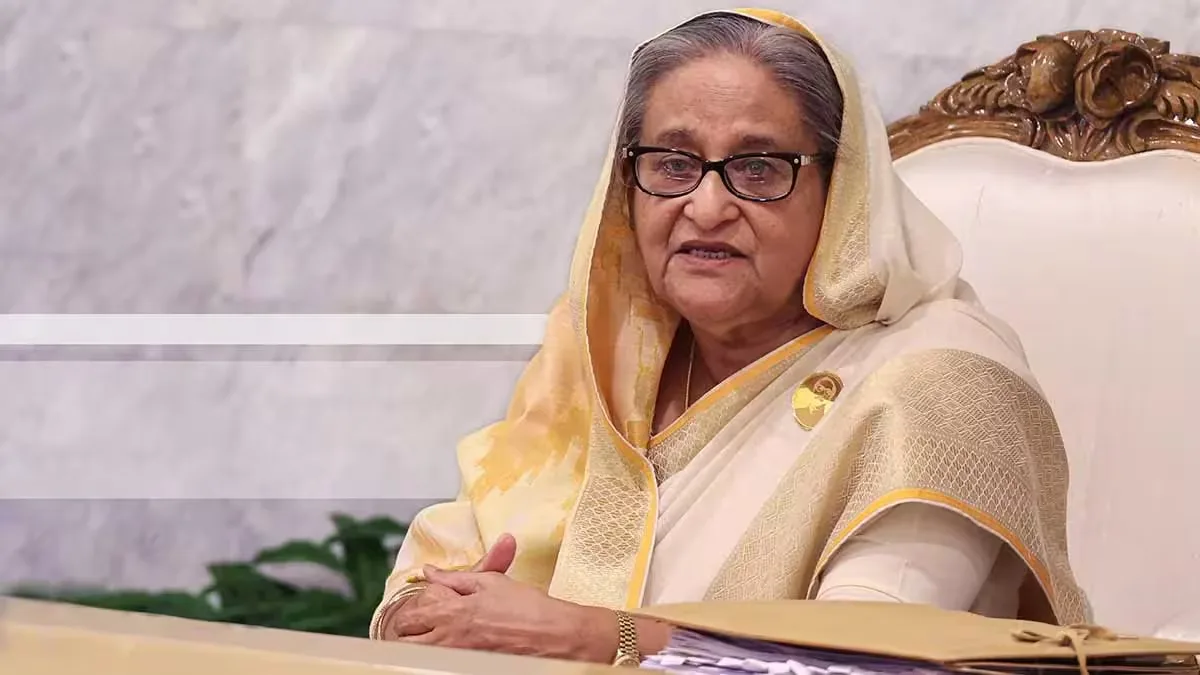
Violent protests erupted in Gopalganj, the ancestral home district of ousted Prime Minister Sheikh Hasina, as thousands of Awami League supporters defied an ongoing political ban to demand her return from India. The sudden escalation on Sunday forced the interim administration to take immediate administrative action, removing Gopalganj Deputy Commissioner Mohammed Arif-uz-Zaman and Superintendent of Police Mohammed Habibullah from their posts. With security forces—including the Border Guard Bangladesh (BGB) and 1,350 police personnel—deployed heavily across the district, the crisis highlights deep-seated political polarization as Bangladesh navigates delicate diplomatic talks with New Delhi over extradition.
The Catalyst: Countdown to December and the Return Demand
The unrest in Gopalganj is not an isolated outburst; it is the culmination of weeks of calculated mobilization by the Awami League. Banned from public political activity since the student-led uprising in August 2024 that unseated Sheikh Hasina, party loyalists used the pretext of a planned November 19 mass rally to test the administration’s grip.
From early Sunday morning, processions of supporters on motorcycles, vans, buses, and trucks poured into the district headquarters from surrounding unions. Protesters successfully forced open the local Awami League district committee office in Bankpara, which had remained sealed since the 2024 government collapse. In a symbolic assertion of defiance, crowds dismantled the nameplate of the Gopalganj Government College—which had been renamed following the 2024 regime change—and reinstated its original colonial-era title, Government Bangabandhu College.
“Our streets movement will continue until the former Prime Minister and daughter of Bangabandhu, Sheikh Hasina, returns to the country,” declared Ilias Haq, a local Awami League leader, during a fiery address to party cadres.
Escalation, Vandalism, and Institutional Flashpoints
The protests quickly deteriorated into widespread vandalism as security barriers were breached. Key targets of the demonstrators included:
- The July Memorial: Located in the city’s Launchghat area, the memorial—erected to commemorate the victims of the August 2024 uprising—was set ablaze.
- Police Infrastructure: A police vehicle was torched, and footage circulated widely on social media showing another police cruiser tagged with the slogan “Joy Bangla”.
- Road Blockades: Activists burned tires to cut off critical local arteries, though major national highways were kept open through rapid tactical interventions.
The sheer scale of the mobilization—estimated by security officials at between 1,500 and 2,000 demonstrators gathered at the district administration complex—caught local intelligence off guard, precipitating the swift removal of the district’s top civil and police administrators.
Geopolitical Stakes: Extradition Dilemma and Diplomatic Talks
The domestic unrest unfolds against a backdrop of high-stakes bilateral friction between Dhaka and New Delhi. Sheikh Hasina, now 79 years old, has repeatedly stated since July that she intends to return to Bangladesh in December, asserting she will face legal proceedings despite a November 2025 International Crimes Tribunal (ICT) verdict handing down a death sentence in absentia for alleged crimes against humanity during the 2024 protests.
The interim administration in Dhaka has formally requested Hasina’s extradition, linking progress on the matter to an upcoming official visit by Prime Minister Tariq Rahman to India. New Delhi has acknowledged receiving the formal request but has maintained a cautious diplomatic posture.
- India’s Stance: Ministry of External Affairs spokesperson Randhir Jaiswal reiterated that Hasina’s extradition remains a complex legal matter that will be processed strictly in accordance with established judicial frameworks.
- Bangladesh’s Stance: Law Minister Mohammad Asaduzzaman countered that Dhaka has completed all necessary legal groundwork to ensure her repatriation.
State Response and Security Lockdown
Faced with the threat of expanding civil unrest, Prime Minister Tariq Rahman chaired an emergency cabinet meeting in Dhaka to review the Gopalganj crisis, instructing party workers to remain “ground active” while assuring the public that the state will not permit law and order to collapse.
To restore deterrence, the Ministry of Home Affairs authorized a massive security surge:
- BGB Deployment: Six platoons of the Border Guard Bangladesh (Gashore region) were deployed under the command of Brigadier General Mahmudul Hasan.
- Police Reinforcements: Dhaka Range DIG Mohammed Mustafizur Rahman confirmed the deployment of 1,350 officers drawn from Gopalganj and neighboring districts to safeguard vital government installations.
Frequently Asked Questions (FAQs)
Why did violent protests break out in Gopalganj?
Violent protests erupted as banned Awami League supporters mobilized to demand the return of ousted Prime Minister Sheikh Hasina ahead of her announced December homecoming.
What action did the Bangladesh government take against local officials?
The government removed Gopalganj Deputy Commissioner Mohammed Arif-uz-Zaman and Police Superintendent Mohammed Habibullah following their failure to contain the sudden unrest.
What is Sheikh Hasina’s current legal status in Bangladesh?
Sheikh Hasina was sentenced to death in absentia by Bangladesh’s International Crimes Tribunal in November 2025 over her government’s handling of the 2024 protests, a verdict she rejects.
Has India agreed to extradite Sheikh Hasina?
India has acknowledged receiving Dhaka’s extradition request but has not announced a final decision, emphasizing that the process will follow established legal channels.
What security measures have been implemented in Gopalganj?
Authorities have deployed 1,350 police personnel alongside six platoons of Border Guard Bangladesh (BGB) to protect government properties and maintain public order.
Analytical Conclusion & Future Outlook
The Gopalganj riots serve as a stark reminder that the grassroots infrastructure of the Awami League remains potent and volatile, despite top-down political bans and judicial penalties. For the interim administration under Prime Minister Tariq Rahman, managing the fallout of Sheikh Hasina’s threatened return is both a severe domestic security test and a delicate diplomatic hurdle with India. If Dhaka fails to project firm administrative control without triggering deeper sectarian polarization, regional flashpoints like Gopalganj could catalyze broader nationwide instability, complicating upcoming bilateral summits and the broader democratic transition.

Manish Kumar began his professional journey in digital marketing and performance marketing, and currently works as a Digital Marketing Excutive and SEO expert. With over 3 years of professional experience, he handles both strategy and execution. Currently, he manages digital marketing and performance marketing at ‘Shabd Sanchi’ (shabdsanchi.com).