The recent petrol price hike in India has added fresh financial pressure on daily commuters and households. Private fuel retailer Nayara Energy has increased rates by over ₹5 per litre, pushing the cost of petrol well above the ₹100 mark in several major metropolitan cities across the country.
What Triggered the Petrol Price Hike in India?
The latest surge in fuel costs stems directly from growing uncertainty in the global energy market. Ongoing geopolitical tensions between Iran and the United States have severely disrupted crude oil supply routes. The Strait of Hormuz, a critical maritime channel for global oil shipments, remains a high-risk zone for freight movement.
As international supply concerns intensified, fuel retailers moved quickly to adjust domestic prices to reflect the rising cost of crude oil. Nayara Energy, one of India’s largest private fuel retailers, implemented a sharp hike, increasing petrol prices by more than ₹5 per litre at its outlets.
Market experts indicate that the continuous fluctuations in international crude oil prices, compounded by logistical bottlenecks and domestic taxation structures, dictate these retail fuel rates.
Panic Buying and Supply Shortage Fears
Following the sudden price increase, reports of panic buying surfaced across multiple states. In Assam, particularly in cities like Guwahati, anxious vehicle owners rushed to petrol pumps fearing an imminent fuel shortage.
Also Read: Middle East Crisis: India Oil Import Deals Fast-Tracked to Ensure Energy Security
Social media rumors regarding limited fuel availability exacerbated the situation. These unverified claims led to massive queues at fuel stations, as consumers attempted to refill their tanks immediately to bypass any further price escalation.
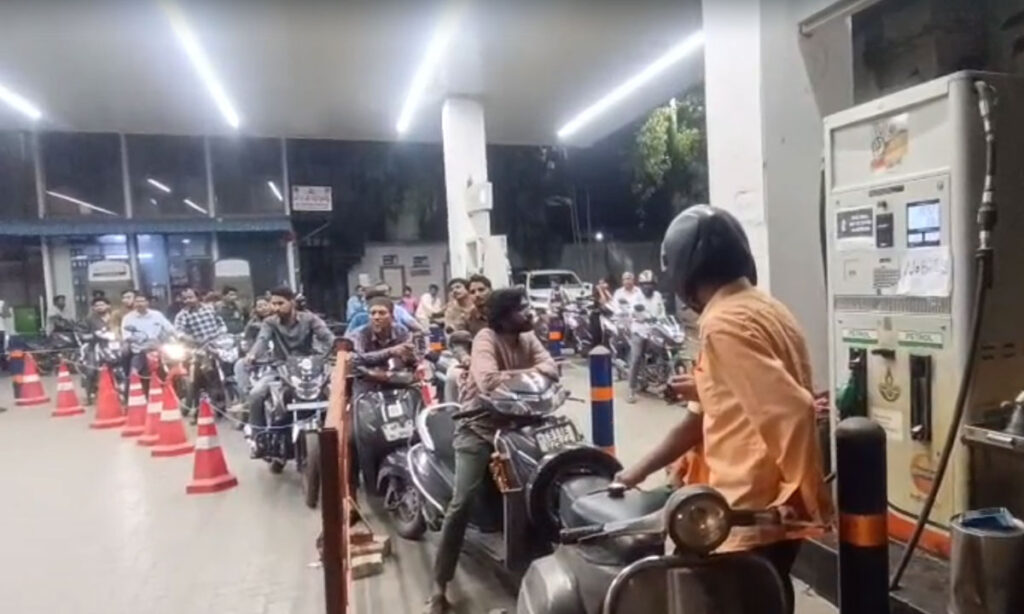
Despite the sudden spike in localized demand, the government swiftly intervened to calm the public. Authorities provided strong reassurances regarding fuel supply stability, urging citizens to avoid hoarding.
Government Response and Political Reactions
The central government maintains that there is absolutely no shortage of petrol in the country. Official statements confirm that national fuel supplies remain entirely stable, advising consumers against unnecessary stockpiling.
However, the situation has drawn sharp political reactions. AIMIM chief Asaduddin Owaisi criticized the current administration, alleging that the government was caught off guard by the energy crisis. He pointed out the failure to build adequate strategic petroleum reserves to buffer the economy against the ongoing conflict in West Asia. These statements have ignited a broader debate regarding India’s strategic preparedness for sudden global supply chain disruptions.
City-Wise Petrol Rates: Crossing the ₹100 Mark
The recent hike has severely impacted urban consumers, with tier-1 cities bearing the brunt of the inflated costs. Hyderabad currently registers the highest petrol price among major metropolitan areas.
Table: New City-Wise Petrol Prices in India
| City | New Petrol Price (₹/Litre) |
| Hyderabad | ₹107.46 |
| Kolkata | ₹105.41 |
| Mumbai | ₹103.54 |
| Bangalore | ₹102.92 |
| Bhubaneswar | ₹101.19 |
| Chennai | ₹100.80 |
| Gurgaon | ₹95.57 |
| Noida | ₹95.16 |
| New Delhi | ₹94.77 |
| Chandigarh | ₹94.30 |
Impact on Daily Life and Inflation
The steep rise in petrol prices directly threatens the monthly budgets of millions of daily commuters. Middle-class households now face significantly higher expenses for personal travel and daily commutes.
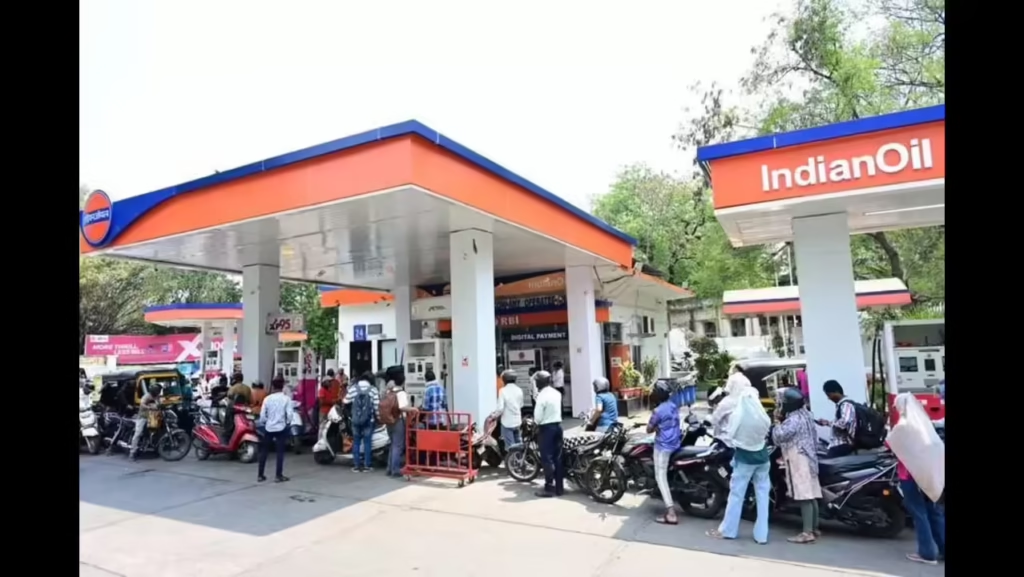
Consequently, public transport networks and ride-hailing services are expected to revise their fare structures. Operators typically pass these additional operational costs directly to passengers, putting extra financial strain on those who rely entirely on daily travel for their livelihood.
Also Read: Stock Market Closed Today For Ram Navami? Check NSE Hours
Furthermore, rising petrol prices consistently trigger a broader increase in the cost of living. Transportation costs dictate the final retail pricing of essential goods. As freight becomes more expensive, the retail cost of vegetables, fruits, and daily groceries will inevitably rise, pushing up overall inflation metrics.
Future Outlook for Fuel Rates
Market analysts warn that fuel prices will likely remain highly volatile in the near term. If crude oil supply routes face prolonged disruptions due to West Asian conflicts, further domestic price hikes remain a distinct possibility.
Financial experts advise consumers to brace for continued market fluctuations. Simultaneously, policymakers may face mounting pressure to intervene through tax cuts or subsidies if retail prices breach acceptable thresholds and threaten to destabilize the broader economy.
To learn more, follow Shabdsanchi’s social media pages today and stay updated.
- Facebook: shabdsanchi
- Instagram: shabdsanchiofficial
- YouTube: @shabd_sanchi
- Twitter: shabdsanchi