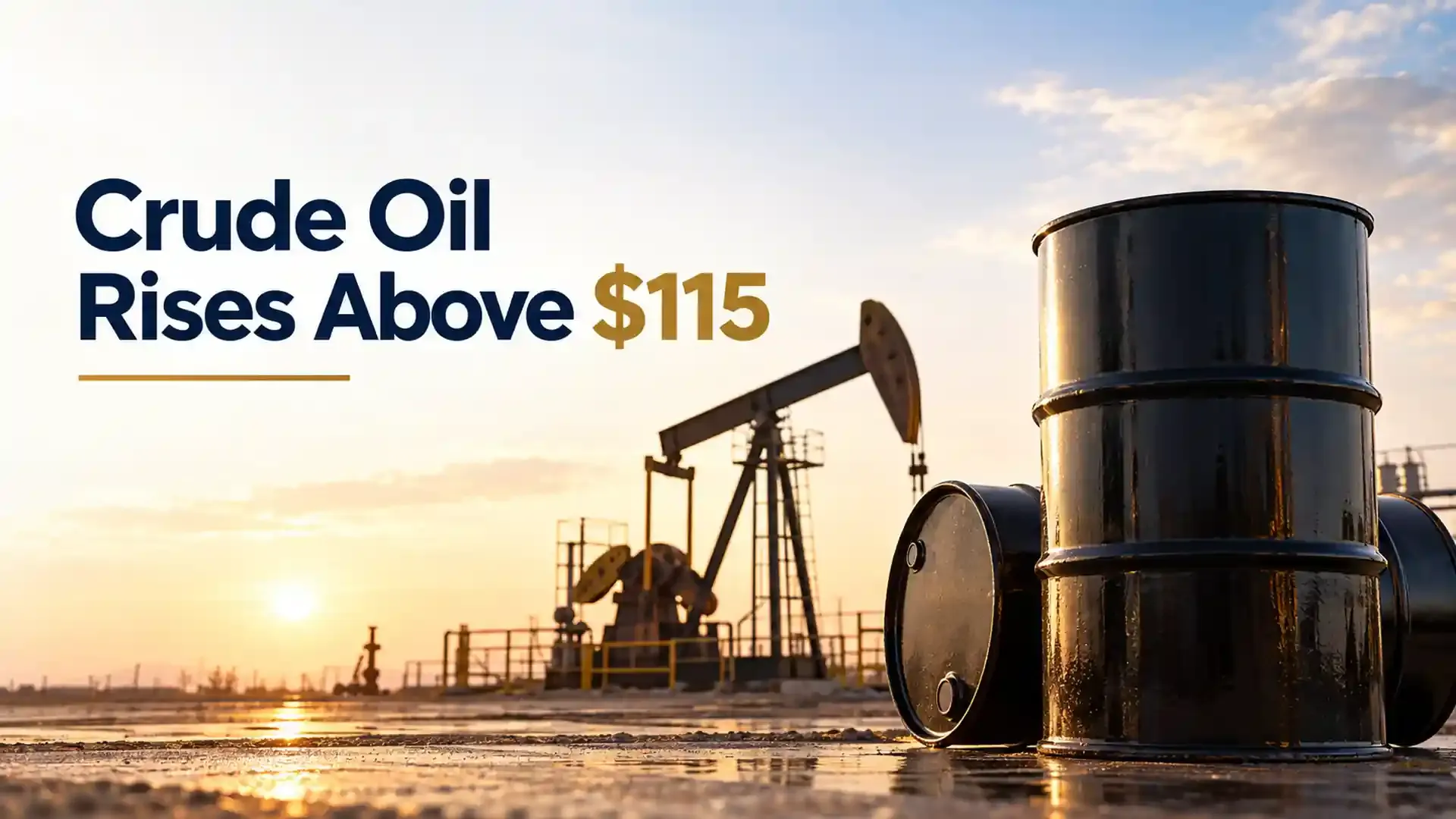
Crude oil prices have surged once again in the international market. Amid fears of fresh strikes by the US military on Iran, Brent Crude oil prices have crossed the $115 per barrel mark. Amidst this global turmoil, public sector oil companies released new fuel rates across the country at 6:00 AM on October 30. The comforting news is that retail prices remain stable across the country, from Delhi to Chennai. However, a wide gap is visible between soaring global fuel prices and India’s retail market.
GlobalPetrolPrices Data: Global Average vs. India
According to fresh data from GlobalPetrolPrices.com, the average price of petrol worldwide has reached approximately 150 rupees per liter, while the average price of diesel stands at 158.73 rupees per liter.
In contrast, average fuel rates in India are quite controlled. The average rate of petrol in the country is recorded at roughly 108.65 rupees and diesel at 98.10 rupees per liter. Despite simmering crude oil volatility in the international market, stable prices in India are considered a major relief for general consumers.
“Despite identical crude oil prices in the international market, retail values vary drastically due to the tax policies and subsidy frameworks of different nations.”
Cheapest and Costliest Fuel in the World: An Overview
Taxes levied by governments and subsidies provided across various countries completely alter fuel rates. Some major examples include:
- Venezuela: Due to government support and heavy subsidies here, a liter of diesel costs around 40 paise and petrol costs 3.32 rupees.
- Libya: Libya offers the cheapest petrol in the world, priced at approximately 2.22 rupees per liter.
- Hong Kong: The world’s most expensive fuel is sold in Hong Kong, where petrol reaches 420.50 rupees and diesel 463.02 rupees per liter.
- India’s Scenario: Rates vary within India as well. In Port Blair, petrol is 88.66 rupees and diesel is 84.56 rupees per liter, while in Chittoor, Andhra Pradesh, petrol is the costliest at 118.34 rupees and diesel at 106.06 rupees per liter.
Why is Fuel Costlier in Rich Nations and Cheaper in Oil-Producing Nations?
According to standard economic rules, petrol and diesel prices are higher in developed and wealthy nations, whereas fuel is relatively cheaper in low-income or crude-oil-producing countries. However, the United States (USA) serves as a major exception to this rule. Despite being an economic superpower and developed nation, domestic fuel prices in the US remain lower compared to many other developed countries due to lower local taxes.
Why Do Petrol and Diesel Prices Differ Across Countries?
While international benchmark crude oil prices are identical for all nations, local retail prices depend entirely on country-specific policies:
- Tax Structure: Many countries levy heavy excise duty and VAT on fuel to generate revenue, whereas some countries lower taxes or offer subsidies to curb inflation.
- Pricing Mechanism: In some countries, fuel prices are revised weekly based on international rates, whereas in countries where governments exercise direct control, reviews are typically conducted on a monthly basis.
Frequently Asked Questions (FAQs)
Q1: What is the price of Brent Crude oil today?
Amid geopolitical tensions in the international market, Brent Crude has crossed $115 per barrel.
Q2: What is the global average price of petrol?
According to global data, the average price of petrol worldwide is around 150 rupees per liter.
Q3: What are the average rates of petrol and diesel in India?
In India, the average rate of petrol is roughly 108.65 rupees and diesel is 98.10 rupees per liter.
Q4: Where is the most expensive petrol sold in the world?
Hong Kong is the region where petrol prices are recorded at the highest, reaching 420.50 rupees per liter.
Q5: Why is there such a huge difference in fuel prices across different countries?
This difference is primarily driven by taxes, import duties, and local subsidy policies imposed by respective national governments.
Conclusion
The crossing of the $115 mark by Brent Crude amidst the US-Iran tension in the Middle East serves as an alarming sign for the global economy. If this crude oil surge persists over the long term, financial pressure on importing nations could escalate in the coming days. Although current domestic prices in India remain stable, long-term global trends will determine the trajectory of the domestic retail market in the weeks ahead.

Manish Kumar began his professional journey in digital marketing and performance marketing, and currently works as a Digital Marketing Excutive and SEO expert. With over 3 years of professional experience, he handles both strategy and execution. Currently, he manages digital marketing and performance marketing at ‘Shabd Sanchi’ (shabdsanchi.com).