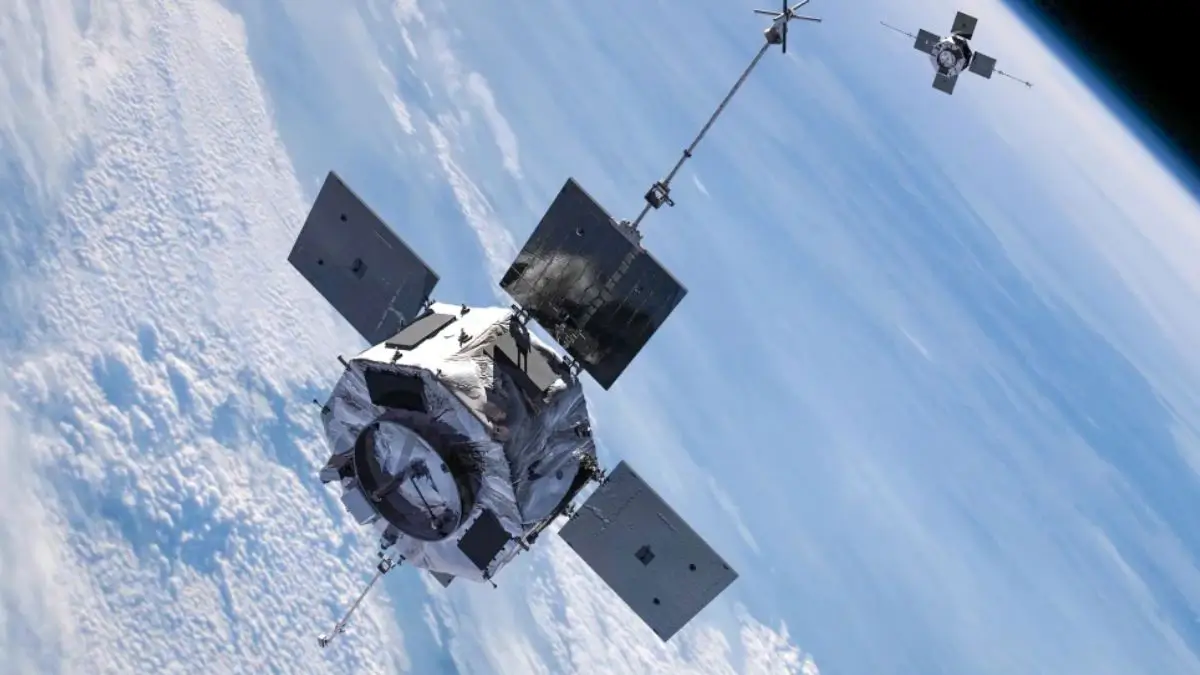
A retired spacecraft weighing nearly 600 kilograms is making an unplanned, fiery return. While the news of a NASA satellite falling to Earth might sound alarming, space experts assure that the risk to the general public is exceptionally low. Most of the metallic structure will incinerate high above us before ever reaching the ground.
What is the Van Allen Probe A?
The spacecraft currently descending is known as Van Allen Probe A. The American space agency launched this probe back in August 2012 alongside an identical twin. Together, they embarked on a highly specialized mission to study a specific region of space.
Their primary target was the Van Allen radiation belts. These are distinct zones of highly energetic, charged particles that remain trapped by our planet’s strong magnetic field.
These magnetic belts serve a crucial defensive purpose. They actively protect our planet from intense cosmic radiation and aggressive solar particles. Without this natural shield, life on the surface would face severe atmospheric challenges.
The Science Behind the Space Mission
During its active years, the probe helped researchers unlock the complex mysteries of “space weather.” Space weather refers to the shifting environmental conditions in near-Earth space, largely driven by the Sun’s activity.
Understanding these solar dynamics is not just an academic exercise. Fluctuations in space weather can directly disrupt global communication systems. It can also interfere with active satellites and pose severe radiation risks to astronauts working in orbit.
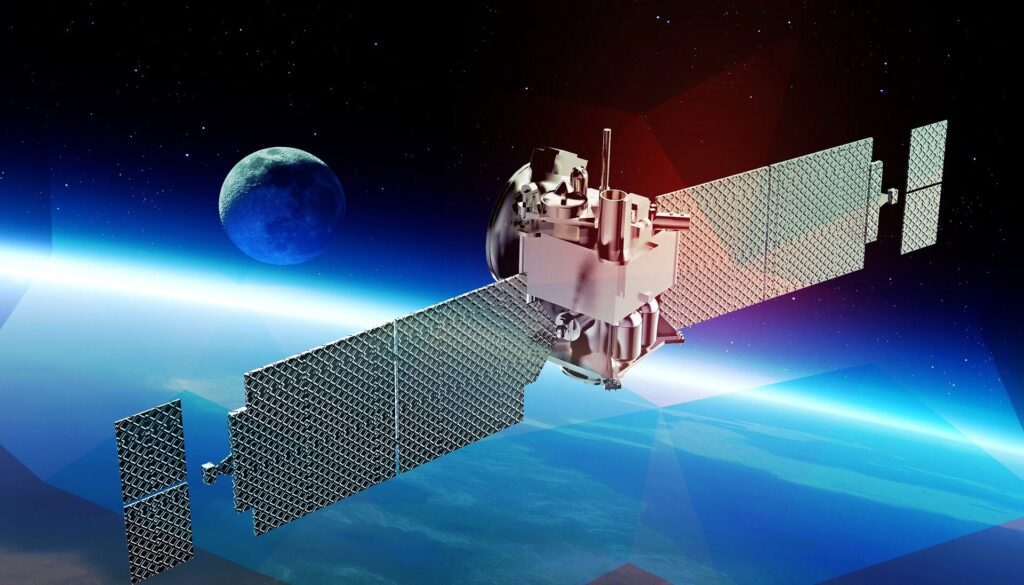
Originally, engineers designed the mission to last for only two years. However, the resilient spacecraft exceeded all expectations. It continued transmitting incredibly valuable data for almost seven years. Ground control finally shut down both probes in 2019 after their fuel reserves ran completely dry.
Why is the Spacecraft Returning Early?
Following the official end of its mission, Van Allen Probe A remained quietly in its orbit. Naturally, any object orbiting close to a planet experiences a phenomenon known as orbital decay. Over time, the subtle friction of atmospheric drag slowly pulls the object downward.
However, the timeline for this specific descent shifted dramatically. Scientists initially calculated that the spacecraft would stay safely in orbit until at least 2034. Instead, it is plunging back to the surface several years ahead of schedule.
The primary reason for this accelerated return is recent intense solar activity. When the Sun releases more energy, Earth’s upper atmosphere absorbs the heat and expands slightly outward. This expansion creates a thicker environment for satellites to navigate, significantly increasing the atmospheric drag. Consequently, the spacecraft is being pulled down much faster than earlier models predicted.
Is the NASA Satellite Falling to Earth Dangerous?
Whenever a massive object re-enters the atmosphere, public concern naturally follows. Therefore, understanding the mechanics of a satellite falling to Earth is important. Space tracking agencies constantly monitor these events to calculate potential impact zones.
As the 600-kilogram probe enters the thicker layers of the atmosphere at immense speeds, it will encounter extreme friction. This friction generates intense heat, which will cause the vast majority of the spacecraft to disintegrate completely.
According to tracking experts, only a few small fragments constructed from highly durable materials might survive the fiery plunge. However, officials clearly state that the chance of any surviving debris harming a person is roughly 1 in 4,200. Professionals in the aerospace sector consider this an extremely low-risk scenario.
The Role of Geography in Space Safety
Another critical factor minimizing the danger is global geography. Oceans cover approximately 71 percent of the planet’s surface. Furthermore, vast stretches of the remaining landmass consist of uninhabited deserts, dense forests, and remote mountains.
Because human populations are concentrated in relatively small areas, the statistical probability of a direct strike drops significantly. If any fragments of the probe do manage to reach the surface, they will almost certainly splash down safely into open water or fall completely unnoticed in a desolate region.
How Often Do Satellites Crash Back?
While a plunging spacecraft often generates dramatic headlines, these events are surprisingly common. The re-entry of retired space hardware happens on a regular basis.
As the global space industry grows, more objects are launched into orbit every year. Consequently, more obsolete hardware eventually comes back down. The vast majority of these objects burn up harmlessly high in the sky, leaving absolutely no debris behind on the ground.
Modern space agencies now design new satellites with “design for demise” principles. This means engineers intentionally build spacecraft using materials that easily vaporize during atmospheric re-entry, further reducing any future risks to populated areas.
The Legacy of the Van Allen Probes
For the scientific community, the fiery end of Van Allen Probe A represents the final chapter of a deeply successful endeavor. The data collected by this mission fundamentally changed our understanding of the invisible radiation environment surrounding our world.
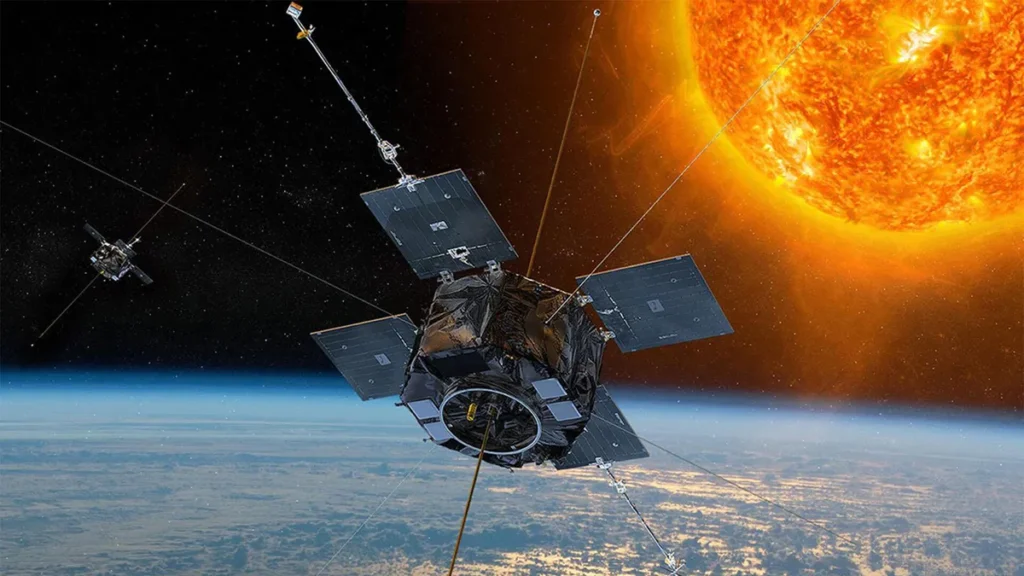
The insights gained from its seven-year operation continue to inform modern aerospace engineering. Thanks to the sacrifices of probes like this one, future satellites can be built to withstand harsh space weather, making global communications more reliable and future space exploration much safer.
To learn more, follow Shabdsanchi’s social media pages today and stay updated.
- Facebook: shabdsanchi
- Instagram: shabdsanchiofficial
- YouTube: @shabd_sanchi
- Twitter: shabdsanchi