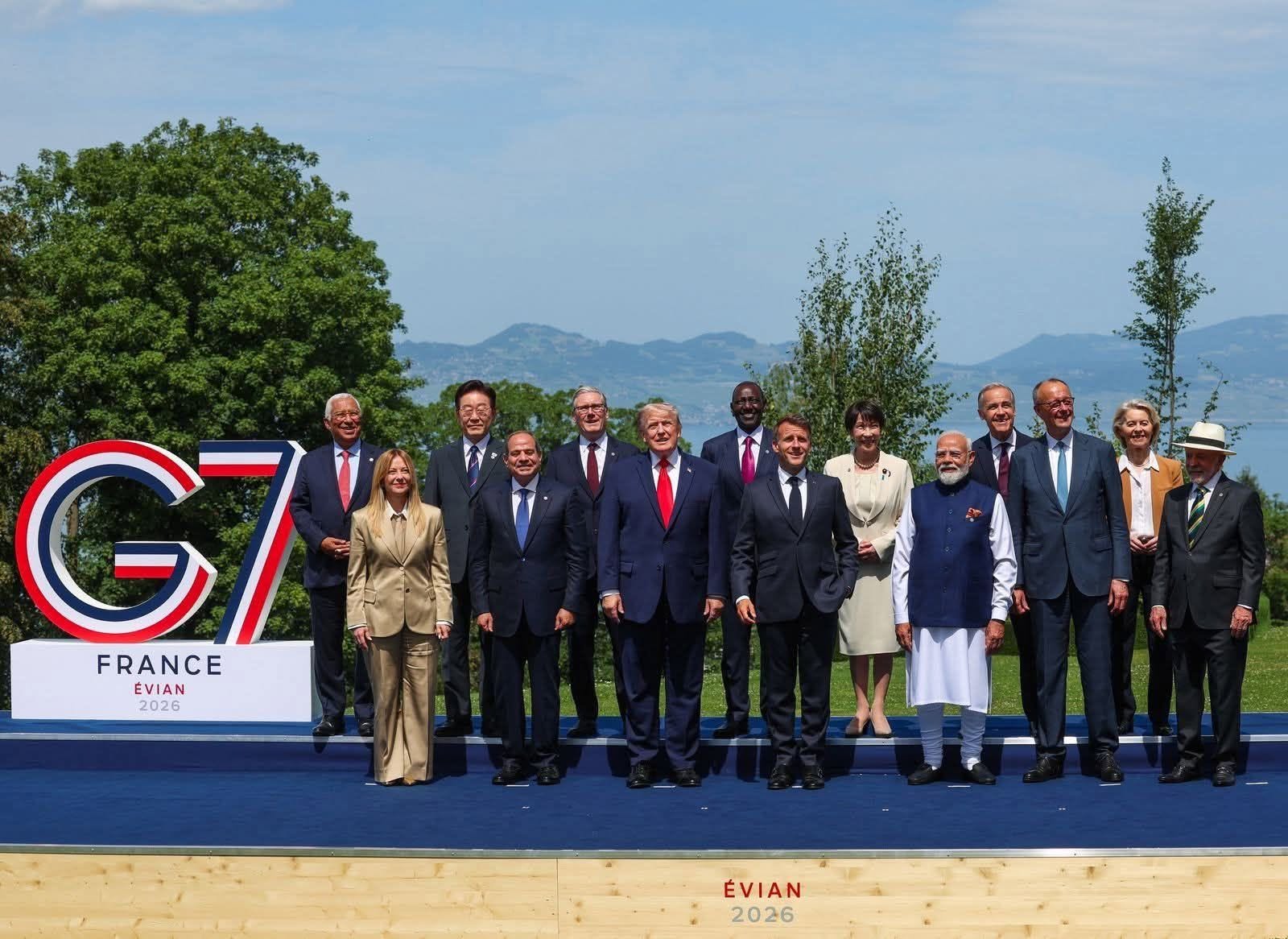
Indian Prime Minister Narendra Modi addressed world leaders at the G7 summit, emphasizing that the future of international relations depends heavily on rebuilding lost trust. Highlighting the Modi G7 summit trust deficit narrative, he urged immediate global cooperation to address fracturing diplomatic ties. The Prime Minister also raised serious concerns regarding deteriorating maritime safety in the volatile West Asia region.
The Core of Modi G7 summit trust deficit Address
Addressing the gathering of the world’s most advanced economies, Prime Minister Modi pointed out that global institutions are failing to maintain consensus. He remarked that shifting geopolitical alignments have created deep fractures among traditional allies.
According to Indian diplomatic sources, this intervention comes at a crucial time when multilateralism is facing severe strain. The Prime Minister insisted that no sustainable economic or strategic partnership can thrive without a foundation of mutual reliability.
Addressing Maritime Crisis in West Asia
Apart from global trust issues, New Delhi focused heavily on the economic bottlenecks caused by regional conflicts. PM Modi specifically flagged the rising threats to commercial shipping lanes in the West Asian waters.
Trade stability relies entirely on uninterrupted sea lanes, and recent disruptions demand a unified global response to protect merchant vessels.
The continuous drone and missile attacks on commercial ships have directly impacted Indian trade routes. Consequently, New Delhi aims to position itself as a net security provider in the Indian Ocean and adjacent maritime zones.
Anticipation Builds for Trump Meeting
The summit also serves as a critical prelude to an upcoming bilateral dialogue with US President-elect Donald Trump. Diplomats suggest that the Indian delegation wants to establish clear alignment on tariffs and defense technology before formal Washington transitions occur.
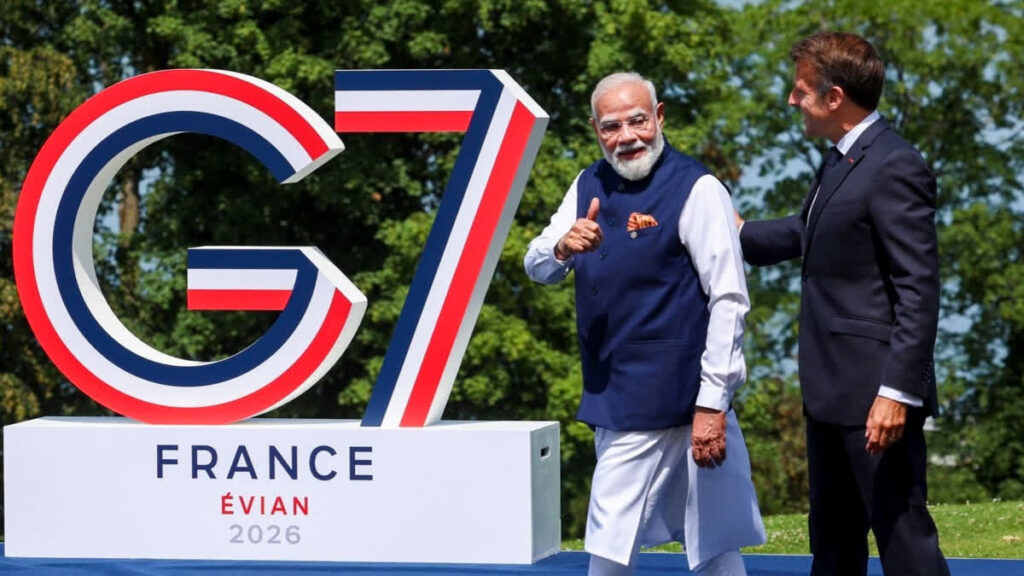
India seeks to balance its traditional strategic autonomy while strengthening its comprehensive global partnership with the United States. Analysts believe that addressing the trust deficit at G7 lays the necessary groundwork for these high-stakes bilateral talks.
Reforming Multilateral Financial Structures
India also utilized the platform to champion the grievances of the Global South, emphasizing financial inclusivity. Modi argued that current global governance structures do not reflect contemporary economic realities.
Developing nations require predictable access to capital and technology to counter climate vulnerabilities effectively. Without restructuring these financial frameworks, the trust gap between the developed and developing world will continue to widen.
FAQs
What exactly is the ‘trust deficit’ that PM Modi highlighted at the G7 summit?
During the outreach session in France, Prime Minister Narendra Modi stated that the modern world suffers from a shortage of mutual trust rather than resources. He emphasized that the misuse of trade and global supply chains for narrow geopolitical interests has fractured international solidarity, making “trust” the most critical strategic asset today.
Why did India raise maritime safety concerns in West Asia during the Modi G7 summit trust deficit speech?
The issue is highly critical for New Delhi due to recent regional conflicts that directly impacted Indian citizens. Specifically, disruptions along the crucial Strait of Hormuz and recent US military strikes in the Gulf of Oman resulted in the tragic loss of lives of Indian seafarers working on commercial merchant vessels.
What was the backdrop of PM Modi’s remarks on the safety of seafarers?
PM Modi’s strong stance followed incidents where the US Central Command targeted vessels allegedly attempting to bypass blocks near Iranian ports. This includes strikes on commercial tankers like the Marivex, Settebello, and Jalveer, which led to casualties among Indian mariners and sparked significant domestic concern in India.
How does India’s message link to the aspirations of the Global South?
In his address, PM Modi argued that global partnerships must transition away from the traditional, patronizing “donor-recipient” model. He articulated that developing nations in the Global South are seeking equal partnerships rooted in dignity and ownership rather than mere financial or developmental dependency.
What is the significance of the upcoming Modi-Trump meeting on the sidelines of the G7?
This marks the first face-to-face encounter between PM Modi and US President Donald Trump in nearly 16 months. The bilateral dialogue is highly anticipated as both leaders look to navigate recent diplomatic strains, calibrate regional strategies, and address bilateral trade tariffs directly following the G7 deliberations.
For more information, follow Shabdsanchi‘s social media pages today and stay updated.
- Facebook: shabdsanchi
- Instagram: shabdsanchiofficial
- YouTube: @shabd_sanchi
- Twitter: shabdsanchi