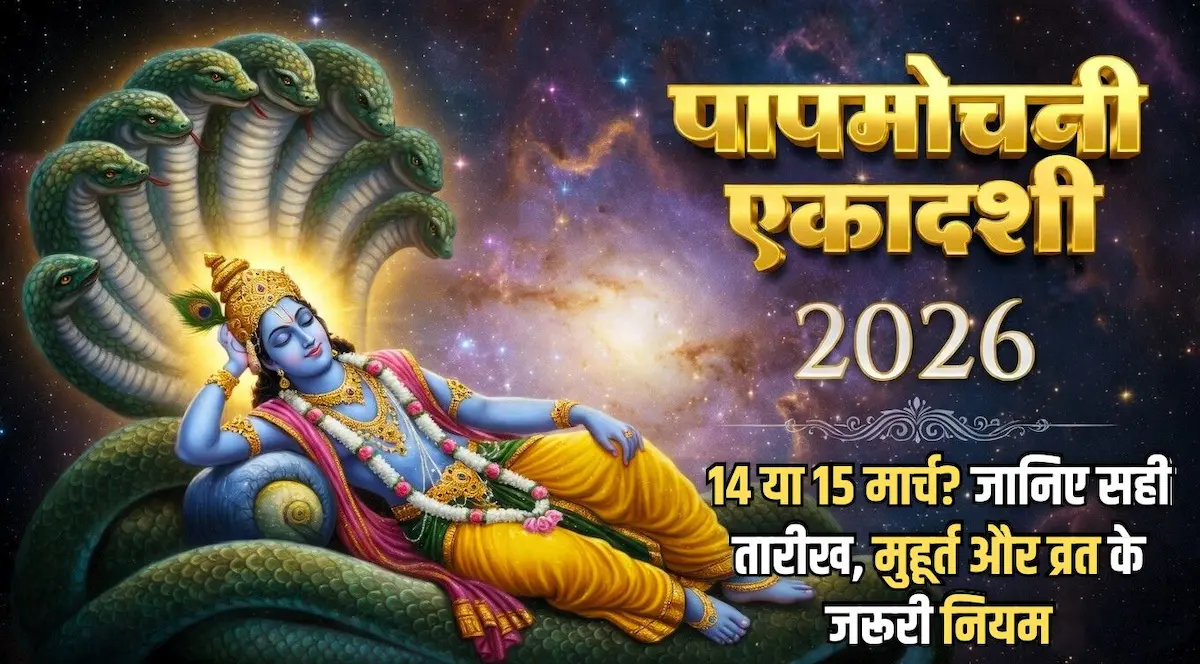
In the Hindu religion, fasting on the eleventh day of the lunar fortnight holds immense spiritual significance. Devotees worship Lord Vishnu to seek his divine blessings and alleviate life’s hardships. For those planning their spiritual schedule, knowing the exact March 2026 Ekadashi dates is highly essential. This month features two major observances: Papmochani Ekadashi and Kamada Ekadashi.
The Significance of March 2026 Ekadashi Dates
Fasting on Ekadashi is a time-honored tradition deeply rooted in Vedic culture. There are typically 24 Ekadashi observances in a standard Hindu calendar year. Each specific date carries a unique spiritual purpose and historical background. The March 2026 Ekadashi dates are particularly special because they fall during a major transitional period in the seasonal calendar. Devotees believe that observing these fasts helps cleanse past negative karma. Furthermore, it brings prosperity, peace, and profound spiritual awakening.
Spiritual Importance in the Hindu Calendar
These two specific fasting days occur in the lunar month of Chaitra. Historically, Chaitra marks the beginning of the traditional spring season across the Indian subcontinent. Observing a fast during this seasonal shift is considered highly beneficial for both physical health and mental clarity. Lord Vishnu is the primary deity worshipped during these sacred days. Consequently, chanting his dedicated mantras and reading the Vishnu Sahasranama are common household practices.
Papmochani Ekadashi 2026: Date and Muhurat
The first major fasting day this month is Papmochani Ekadashi. It falls during the Krishna Paksha, which is the waning phase of the moon, within the Chaitra month. According to ancient scriptures, the word “Papmochani” translates directly to the destroyer of sins. Based on the Hindu Panchang, the Ekadashi tithi will officially begin at 8:10 AM on March 14, 2026. It will subsequently conclude at 9:16 AM on March 15, 2026. However, following the traditional Udaya Tithi principle, the fast will be strictly observed on March 15, 2026.
Meaning and Benefits of Papmochani Vrat
Observing the Papmochani vrat is said to free an individual from the heavy guilt of past wrongdoings. Devotees actively seek divine forgiveness for sins committed either knowingly or unknowingly. It acts as a spiritual reset for the soul. Therefore, it allows individuals to move forward in life with a pure heart and a clear conscience. Many people also choose to donate food, water, and clothes to the needy on this day to maximize their karmic blessings.
Kamada Ekadashi 2026: Time and Significance
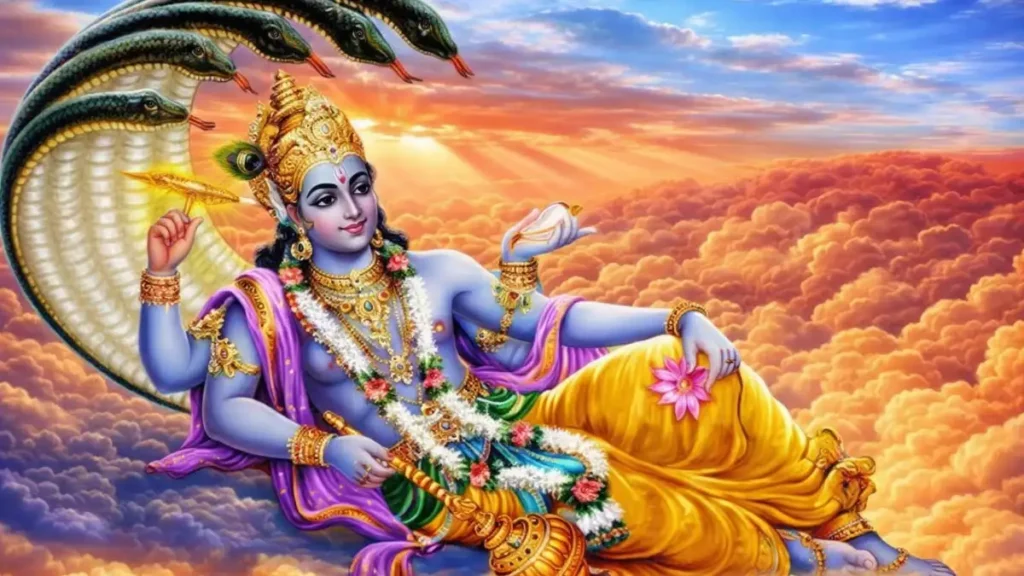
Following Papmochani, the next significant religious observance is Kamada Ekadashi. This event falls during the Shukla Paksha, or the waxing phase of the moon, of the Chaitra month. It holds the distinct religious honor of being the very first Ekadashi of the Hindu New Year. In the upcoming calendar year, Kamada Ekadashi will be celebrated nationwide on March 29, 2026. Astrological calculations indicate the formation of several auspicious yogas on this specific date. As a result, the spiritual rewards of fasting and praying on this day are believed to be multiplied significantly.
The First Ekadashi of the Hindu New Year
The Sanskrit word “Kamada” roughly translates to the granting of desires. Fasting on this day is believed to fulfill the righteous and positive wishes of the devotee. It essentially sets a devoted and focused tone for the rest of the year. Families pray for domestic harmony, success in their professional careers, and overall spiritual growth. The positive energy generated during this fasting period is said to protect the household throughout the year.
Step-by-Step Puja Vidhi for Ekadashi Fasting
To reap the full benefits of the fast, devotees must follow specific traditional rituals. Cleanliness and unwavering devotion are absolutely paramount. The preparation actually begins on the eve of Ekadashi, known as Dashami. On Dashami, devotees consume only a simple, single, and strictly vegetarian meal before sunset.
Morning Rituals and Sankalp
On the actual day of the fast, devotees should wake up early, preferably during the auspicious Brahma Muhurat. After taking a purifying bath, one must wear fresh, clean clothes. The next crucial step is taking the Sankalp, which is a solemn vow to observe the fast with complete honesty and dedication. Devotees then set up a sacred space for Lord Vishnu. They offer sandalwood paste, fresh yellow flowers, incense sticks, and a ghee lamp. Offering fresh Tulsi leaves is considered mandatory, as it is highly dear to Lord Vishnu.
Evening Prayers and Parana Rules
Devotees spend the entire day fasting, consuming either absolutely no food (Nirjala) or a simple fruit-based diet (Phalahar). In the evening, families gather to perform an aarti and listen to the Ekadashi Vrat Katha. Staying awake at night, a practice known as Jagran, while singing devotional hymns is also highly recommended. The fast is officially broken on the following day, which is Dwadashi. This process of breaking the fast is known as Parana. It is crucial to perform the Parana within the specific auspicious time frame mentioned in the local Panchang.
Health and Dietary Rules During the Fast
Understanding the strict dietary restrictions is essential for observing these fasts correctly. Grains, pulses, and certain vegetables are completely prohibited. Devotees absolutely avoid rice, wheat, and regular lentils. Moreover, onion and garlic are strictly excluded from the diet due to their tamasic nature. Instead, those observing a partial fast rely entirely on a Sattvic diet. This includes fresh seasonal fruits, milk, yogurt, nuts, and specific fasting ingredients like water chestnut flour. Consuming natural rock salt instead of chemically processed table salt is the standard practice.
To learn more, follow Shabdsanchi’s social media pages today and stay updated.
- Facebook: shabdsanchi
- Instagram: shabdsanchiofficial
- YouTube: @shabd_sanchi
- Twitter: shabdsanchi