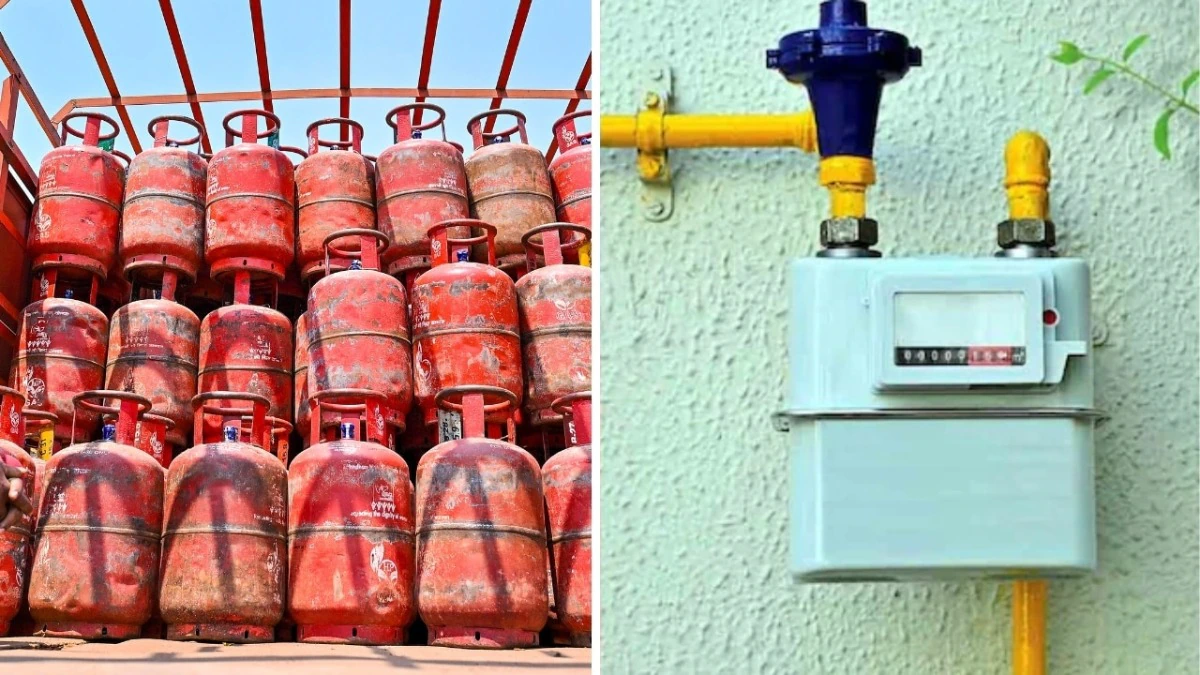
The Indian government has mandated a significant change for domestic cooking gas consumers. Under new guidelines, a mandatory switch to PNG is required for households where piped natural gas infrastructure is available. This move aims to reduce India’s heavy reliance on LPG imports amid ongoing geopolitical tensions.
The Ministry of Petroleum and Natural Gas recently notified a strict new order under the Essential Commodities Act. This directive aims to accelerate the expansion of natural gas networks across the country. By moving urban consumers to piped networks, the government hopes to free up traditional cylinder supplies for regions lacking advanced infrastructure.
Understanding the Mandatory Switch to PNG Guidelines
Consumers currently using liquefied petroleum gas (LPG) can no longer ignore the expanding piped networks. The government order clearly outlines a three-month deadline for compliance. Local distributors will notify residents about this timeline via text messages, automated calls, or formal letters.
If a household fails to apply for a piped connection within this timeframe, their regular cylinder deliveries will permanently stop. This strict measure ensures that available city gas distribution (CGD) infrastructure does not remain underutilized while the nation spends heavily on fuel imports.
Rules for Resident Welfare Associations (RWAs)
The new regulations also hold housing societies and property owners accountable. RWAs must grant permission to gas companies for laying down the necessary pipelines. If an association denies access for infrastructure development, the entire housing complex faces strict consequences.
According to the official mandate, LPG supplies to the entire society will cease three months after the authorities issue a formal notice. This prevents property owners from becoming bottlenecks in the nationwide infrastructure upgrade.
Exemptions and Technical Feasibility
Not all households will lose their cylinder supply immediately. Authorised gas operators will conduct thorough technical feasibility checks in every neighborhood. If laying a pipeline is technically impossible in a specific area, authorities will issue a no-objection certificate.
Consequently, those specific households will continue receiving their regular domestic cylinder deliveries without any interruption. The government wants to ensure that no household loses cooking gas access unjustly.
Also Read: Middle East Crisis: India Oil Import Deals Fast-Tracked to Ensure Energy Security
Why the West Asia Crisis Forced This Decision?
The ongoing geopolitical conflict in West Asia heavily disrupted global energy supply chains. India currently depends on imports to meet nearly 60% of its total LPG requirements. Crucially, about 90% of these specific imports travel through the Strait of Hormuz.
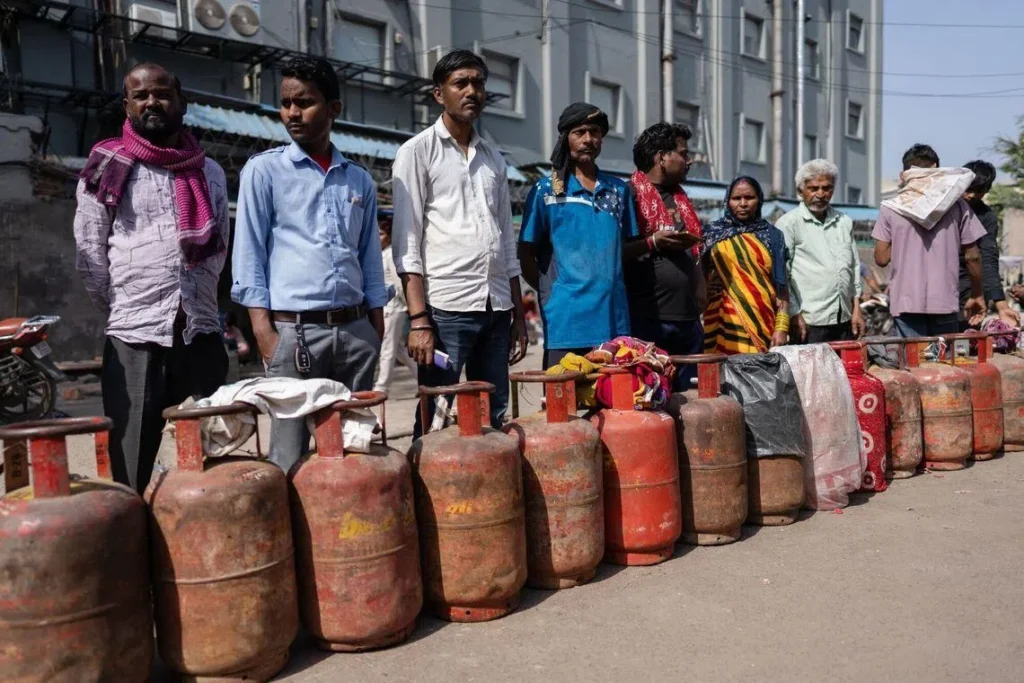
Because vessel movements in this critical chokepoint have significantly slowed down, the government had to intervene to secure domestic energy needs. The mandatory switch to PNG directly mitigates this risk, as India’s reliance on imported natural gas is comparatively lower at 50%.
Incentives and Current Consumer Statistics
Statistics reveal a stark contrast in the current consumer base. India currently serves over 33.3 crore domestic cylinder users, while only 1.6 crore households possess a piped connection. Interestingly, around 60 lakh homes have access to local pipeline networks but still choose to use traditional cylinders.
To encourage voluntary adoption before the deadline, several CGD companies are offering attractive incentives. These include a waiver of initial connection charges and specific volumes of free gas. The Centre has also urged state governments to help expedite network expansion.
Also Read: Free Gas Up to Rs 500 as Govt Pushes PNG Shift for Homes
Boosting Domestic Production to Protect Households
The existing supply constraints forced major policy shifts at the administrative level. The government recently ordered national refiners to maximize their domestic fuel production. They successfully diverted petrochemical streams like propane and butane toward domestic cooking gas output.
These proactive measures increased domestic LPG production by an impressive 40% compared to pre-conflict levels. As a result, India’s internal production now meets roughly 55% of the country’s demand, offering a much-needed buffer against international volatility.
PNG vs LPG: Safety and Convenience Factors
Transitioning to piped gas brings significant long-term benefits for consumers. Piped gas provides an uninterrupted, metered supply similar to electricity or water. Users no longer need to track bookings, manage heavy cylinders, or wait for manual deliveries.
Furthermore, natural gas is considerably safer for indoor use. Because it is lighter than air, it disperses rapidly in the event of a leak. In contrast, LPG is heavier and tends to accumulate near the floor, which increases the risk of severe fires and explosions.
To learn more, follow Shabdsanchi’s social media pages today and stay updated.
- Facebook: shabdsanchi
- Instagram: shabdsanchiofficial
- YouTube: @shabd_sanchi
- Twitter: shabdsanchi