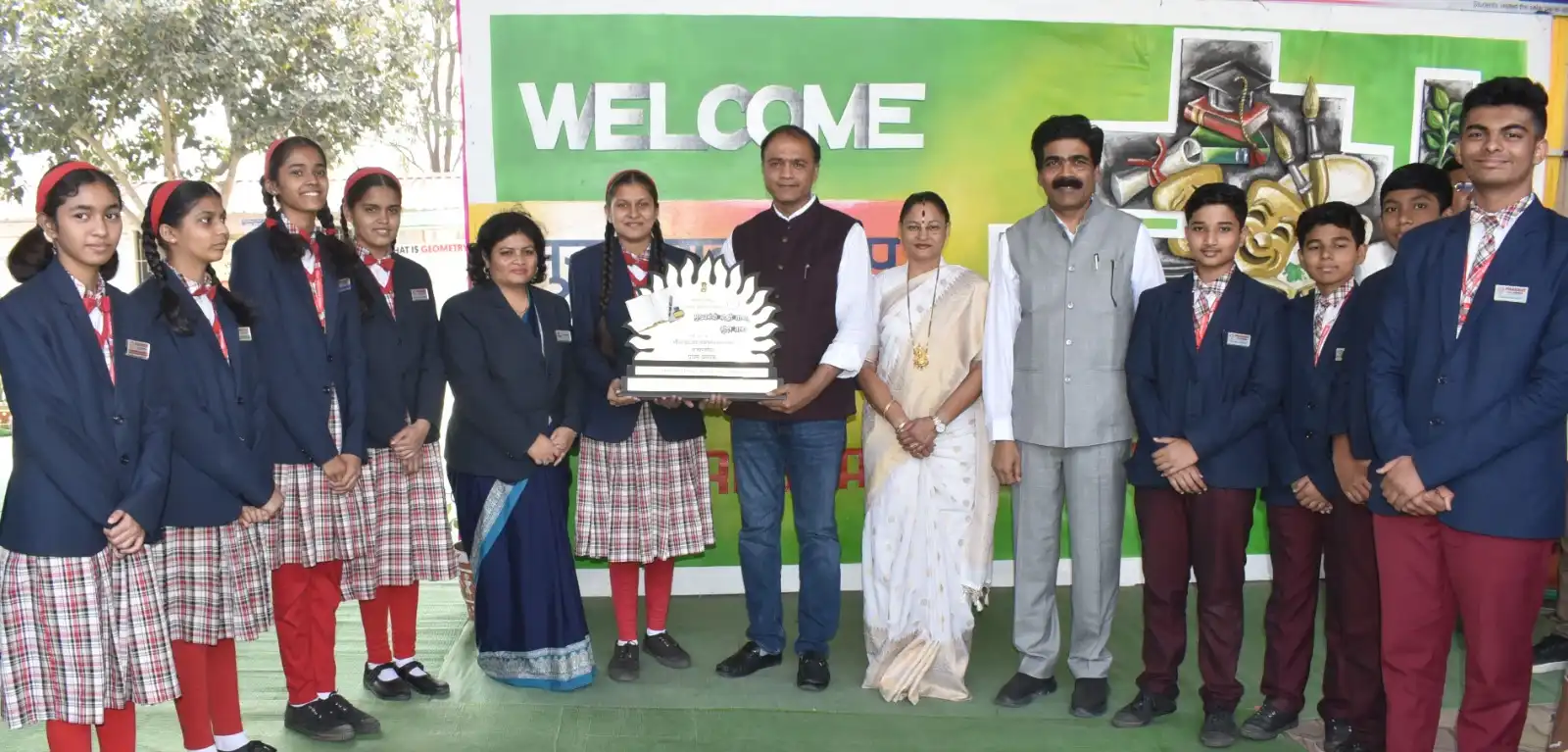
The Maharashtra government has launched a comprehensive inquiry into educational institutions suspected of misusing their minority status to evade the Right to Education (RTE) Act. Minister of State for School Education, Pankaj Bhoyar, confirmed that the scrutiny aims to identify schools obtaining the tag solely to bypass the mandatory 25% seat reservation for economically disadvantaged students.
State Initiates Scrutiny of Minority Status Schools
The move follows growing concerns regarding the rapid increase in the number of institutions claiming minority tags across the state. According to official reports, nearly 8,000 schools in Maharashtra currently operate under this status. While genuine minority institutions are legally exempt from the RTE’s reservation quota, the government has received several complaints suggesting that many schools have sought this classification primarily to avoid enrolling students from underprivileged backgrounds.
Minister Pankaj Bhoyar, addressing the legislative assembly, emphasized that the Minority Status Schools probe will look into the legitimacy of these claims. “We have received representations alleging that several institutions do not meet the core criteria for minority status but have secured the tag through procedural loopholes,” Bhoyar stated.
Allegations of Irregularities in Certification Process
One of the most startling revelations mentioned by the minister involved the speed at which these permissions were granted. Reports suggest that as many as 75 schools received their minority certification in a single day. This anomaly has prompted the state to investigate whether the vetting process was compromised.
The Chairman of the Minority Commission has already taken cognizance of these developments. The upcoming inquiry will not only check current compliance but will also re-evaluate the documents submitted at the time of the initial application. If a school is found to have misrepresented its administrative or demographic composition, its status will be revoked immediately.
Balancing Institutional Rights and Social Equity
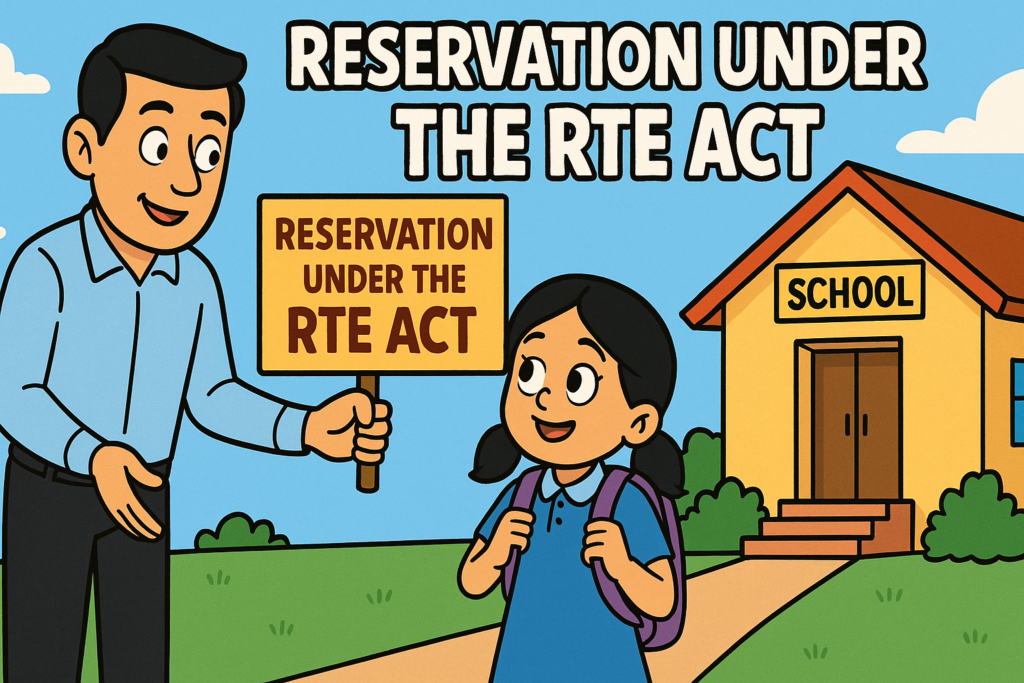
Under the current legal framework, minority institutions—whether linguistic or religious—enjoy certain protections under Article 30 of the Indian Constitution. This includes the right to establish and administer educational institutions of their choice, which the Supreme Court has previously interpreted as an exemption from the 25% RTE quota.
However, the state argues that this exemption should not become a shield for commercialized education providers to exclude local, needy children. The objective of the RTE Act is to provide quality education to poor and genuinely eligible students. When the system is gamed, it deprives the most vulnerable sections of society of their fundamental right to education.
Addressing Forgery and Local Enrollment Loopholes
The investigation is not limited to school managements alone. Minister Bhoyar also highlighted complaints regarding parents who allegedly forged income or caste certificates to secure “free seats” under the existing RTE quotas. “Transparency must work both ways. If parents are found providing false information to gain an unfair advantage, they will face appropriate legal action,” he added.
Furthermore, the government recently modified RTE norms, including a strict 1-km eligibility criterion for admissions. This change was introduced to ensure that benefits reach local residents and to prevent “seat-shopping” by families residing far from the school zones.
Strict Action Against Non-Compliance
The state government has made it clear that the size or influence of an institution will not protect it from the consequences of fraud. The proposed inquiry will be exhaustive, covering both urban and rural clusters. Schools found to be using their status beyond its intended scope or those that obtained it through improper channels will face de-recognition or heavy financial penalties.
Education activists have welcomed the move, noting that a “clean-up” of the minority database is long overdue. They argue that while the rights of genuine minority communities must be protected, the label should not be a “get-out-of-jail-free card” for schools looking to avoid social responsibility.
To learn more, follow Shabdsanchi’s social media pages today and stay updated.
- Facebook: shabdsanchi
- Instagram: shabdsanchiofficial
- YouTube: @shabd_sanchi
- Twitter: shabdsanchi