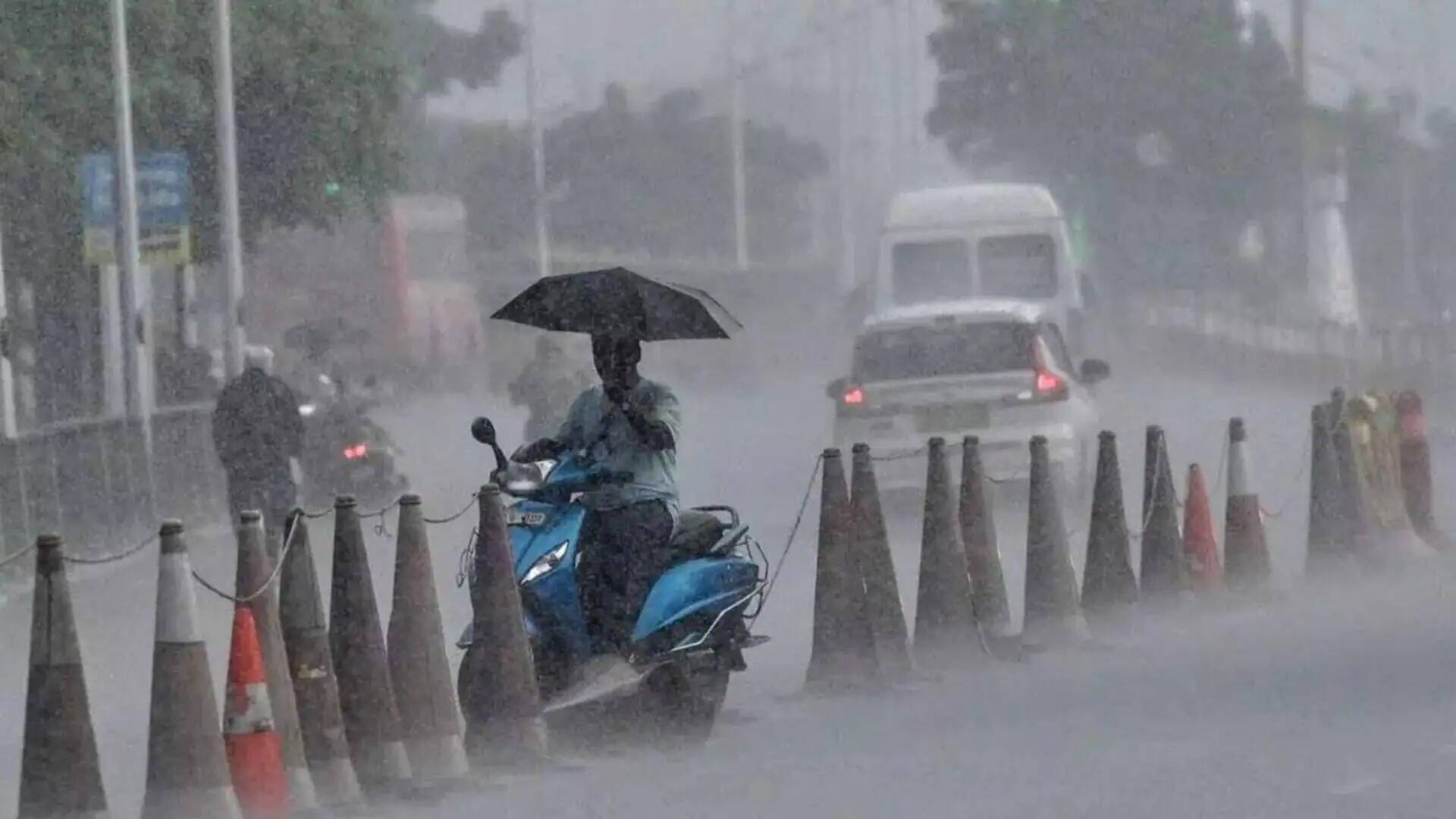
The ongoing conflict in the Middle East has heavily disrupted global energy supply chains, triggering a noticeable LPG shortage in India. In a temporary but significant move, the central government has reintroduced kerosene and coal as alternative cooking fuels for households and commercial establishments. This step aims to manage rising domestic demand and ensure energy security amid geopolitical uncertainties.
Impact of Geopolitical Tensions on Energy Supply
The temporary shift back to older fossil fuels directly results from the closure of the Strait of Hormuz. This narrow sea lane between Iran and Oman is a critical artery for global trade. Previously, India obtained more than half of its 5.8 million barrels of crude oil, 55 percent of its cooking gas (LPG), and 30 percent of its liquefied natural gas (LNG) through this specific route.
With the supply chain severely bottlenecked by the ongoing war, oil marketing companies have had to recalibrate their distribution strategies. The immediate priority has shifted to securing LPG supplies for essential household kitchens. Consequently, authorities have significantly cut back allocations for commercial users, including the hospitality sector.
Government Steps to Tackle the LPG Shortage in India
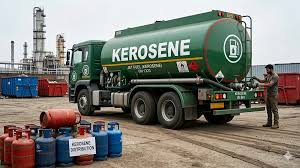
To mitigate the crisis, the central government has announced increased state-wise allocations of alternative fuels. According to official reports, an additional 48,000 kilolitres (kl) of kerosene has been allocated to states. This is on top of the regular baseline quota of 1 lakh kl.
This decision marks the first increase in the monthly kerosene quota released to states in more than a decade. For years, the government’s stated objective was to phase out the heavily subsidized fuel completely, primarily to curb pollution and prevent its use in the adulteration of petrol.
Reversal of the Kerosene-Free Initiative
The reintroduction of kerosene temporarily pauses long-standing environmental and public health initiatives. Delhi, for instance, was officially declared the first kerosene-free city in India on June 17, 2014.
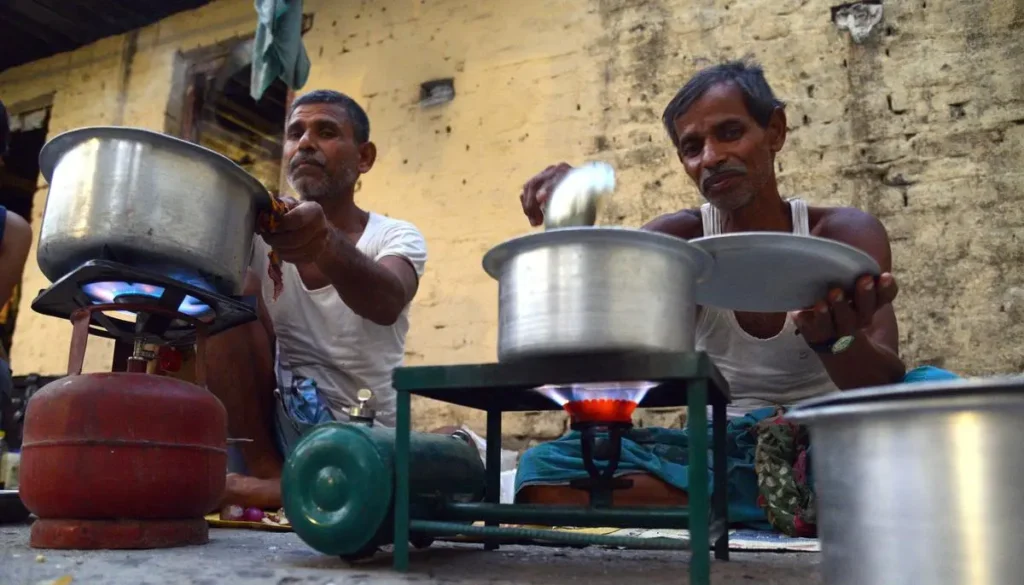
Furthermore, the mass roll-out of the Pradhan Mantri Ujjwala Yojana in 2016 was specifically designed to grant free LPG connections to poor families. The core goal was to eliminate the usage of firewood, coal, and kerosene in rural households. However, prioritizing limited LPG resources for homes, hospitals, and educational institutions has forced this temporary return to older, less clean energy sources.
Alternative Fuels for Commercial Establishments
While households receive kerosene through the Public Distribution System (PDS), the commercial sector is adapting to different alternatives. The oil ministry has requested environmental bodies to permit the use of biomass, RDF (Refuse-Derived Fuel) pellets, and coal for commercial bodies in the hospitality industry for a one-month period.
RDF pellets offer a low-emission alternative to traditional coal. These fuels are manufactured from processed municipal solid waste, industrial by-products, and agricultural residues. Allowing these alternatives helps restaurants and hotels maintain operations while the government works to stabilize commercial LPG supplies.
Combating Panic Buying and Hoarding
Consumer anxiety has exacerbated the current supply challenges. Field reports indicate hoarding and panic-booking at both the distributor and retail levels.
To manage this rush and ensure equitable distribution, the government has extended the LPG refill ordering window for rural users to 45 days. This is a significant increase from the 25-day limit set recently, which had already replaced the standard 21-day norm. Officials emphasize that the standard time from booking to delivery for domestic LPG cylinders remains exactly 2.5 days, unchanged from pre-crisis operations.
Expanding Delivery Authentication Systems
To prevent the undocumented diversion of subsidized cylinders into the black market, the government is expanding its Delivery Authentication Code coverage. The system currently covers 50 percent of consumers and will rapidly scale up to 90 percent.
Under this secure protocol, a cylinder is only logged as delivered when the consumer confirms receipt through a one-time password (OTP) sent to their registered mobile number. This digital safeguard makes fuel diversion extremely difficult to conceal.
Diversification and Assured Supply Channels
Oil Minister Hardeep Singh Puri recently addressed the Lok Sabha to calm public concerns. He stated that India’s crude supply position remains entirely secure and that current volumes exceed what the Hormuz route would have typically delivered.
India imports approximately 60 percent of its LPG, primarily relying on Gulf nations like Qatar, the UAE, Saudi Arabia, and Kuwait. To counter the current disruption, procurement is rapidly diversifying. Cargoes are now being actively secured from the United States, Norway, Canada, Algeria, and Russia.
Furthermore, the government has directed domestic refineries to maximize their LPG output. This involves cutting petrochemical feedstock streams and barring certain export-oriented units from utilizing LPG as raw material. Through these aggressive measures, domestic LPG production has successfully increased by 28 percent.
To learn more, follow Shabdsanchi’s social media pages today and stay updated.
- Facebook: shabdsanchi
- Instagram: shabdsanchiofficial
- YouTube: @shabd_sanchi
- Twitter: shabdsanchi