Global energy markets are facing severe volatility as geopolitical tensions escalate. The direct impact of Iran war on fuel prices is becoming visible across South Asia. While India has managed to keep retail petrol and diesel rates steady, neighboring countries like Pakistan and Bangladesh are struggling with massive price hikes and severe supply shortages.
How Global Conflicts Disrupt Oil Supply Chains
The ongoing conflict involving the United States, Israel, and Iran has sent shockwaves through global energy markets. Shipping routes in the Middle East face unprecedented risks. Brent crude oil prices climbed to nearly $120 per barrel earlier this week before retreating to below $90. Such immense volatility makes it difficult for importing nations to plan their economic budgets. The ripple effects are testing the resilience of South Asian economies.
Stable Petrol Prices in India Despite Crude Volatility
Despite the surge in global crude costs, Indian consumers have not felt the immediate burden at the fuel pump. Officials suggest that retail petrol and diesel rates in India are unlikely to be raised in the near term. State-run oil marketing companies are currently absorbing the price fluctuations. India’s massive domestic refining capacity and strategic crude purchases provide a buffer against sudden global market shocks.
Current Petrol and Diesel Rates Across Major Indian Cities
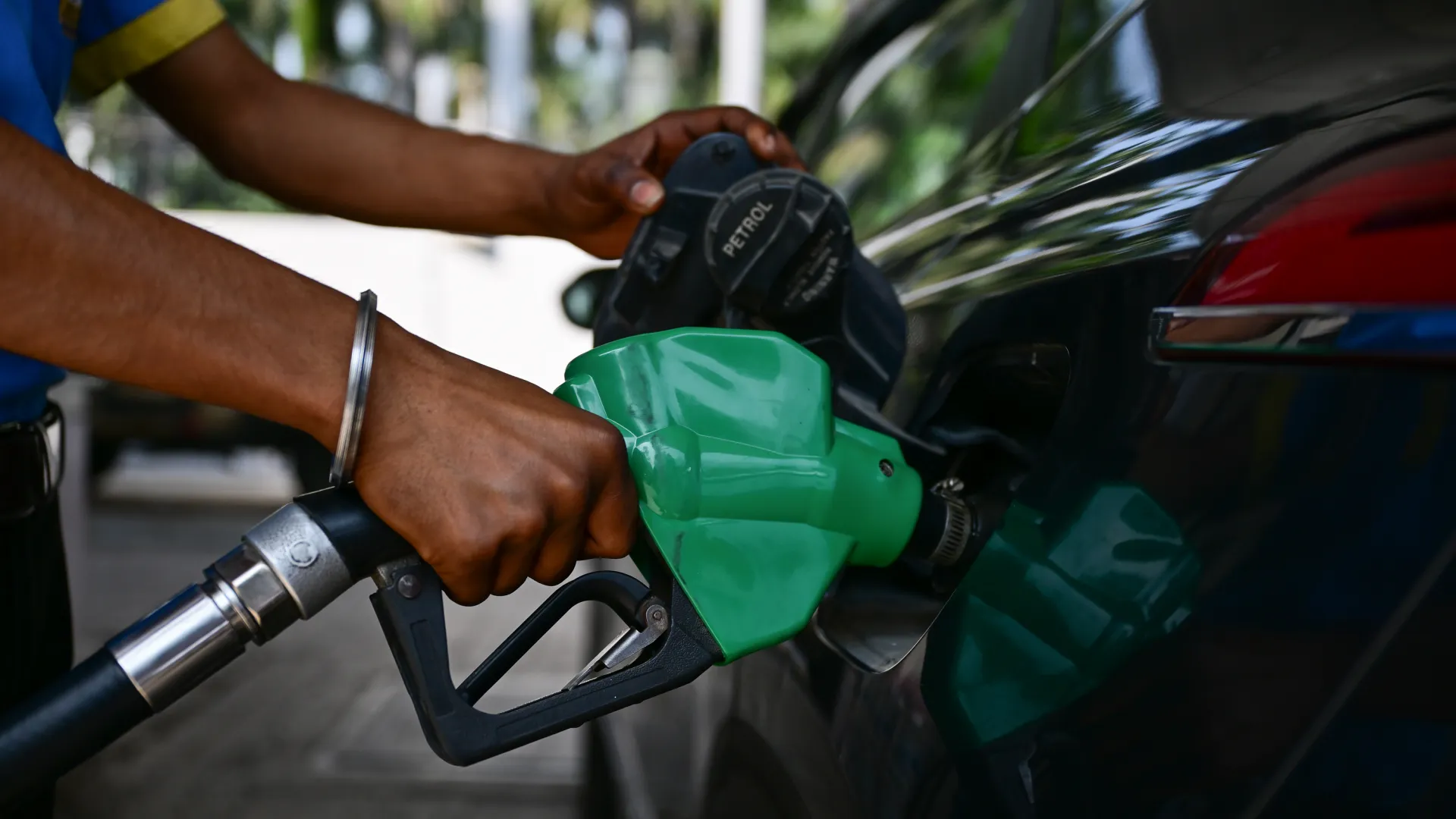
Currently, petrol prices in India vary by state due to local taxes. In New Delhi, petrol is priced at Rs 94.77 per litre. Consumers in Mumbai are paying Rs 103.50 per litre. Meanwhile, the petrol price stands at Rs 105.45 in Kolkata and Rs 101.23 in Chennai. Interestingly, diesel remains significantly cheaper. Diesel costs Rs 87.67 per litre in Delhi and Rs 92.39 in Chennai. This stability offers critical support to India’s transport and logistics sectors.
Pakistan Faces Steep Fuel Price Hikes
The situation is drastically different across the border. In Pakistan, fuel prices have risen sharply. The government recently announced a major hike in retail rates in direct response to higher global oil prices. According to Reuters, petrol prices were increased by a massive 55 Pakistani rupees. This brings the current cost to 321.17 rupees per litre. High-speed diesel also saw a steep rise, reaching 335.86 rupees per litre. This sudden jump is expected to trigger widespread inflation across essential commodities.
Bangladesh Battles Severe Fuel Shortages and Rationing
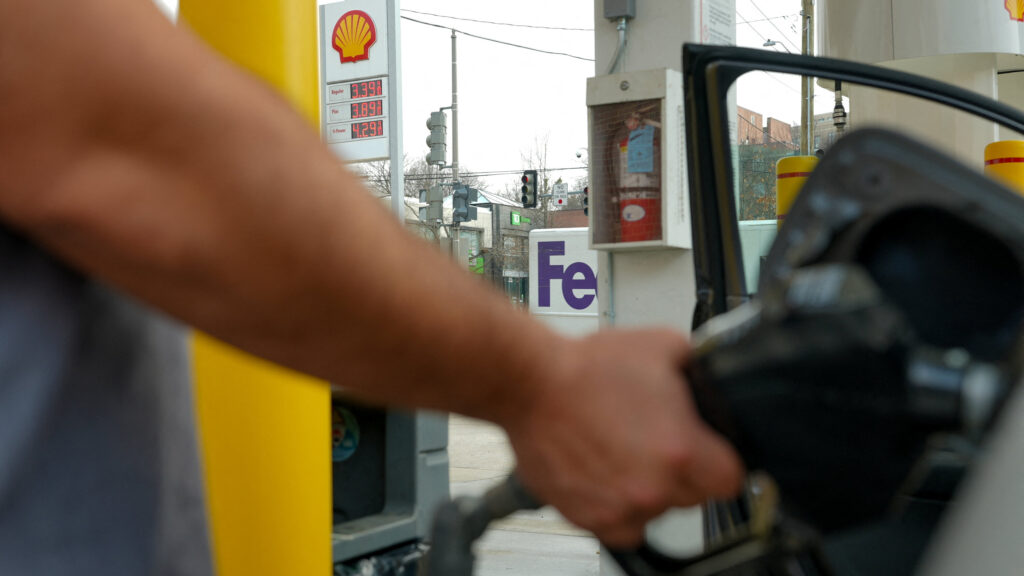
Bangladesh is facing a different kind of crisis. The country imports approximately 95 per cent of its energy requirements. The Middle East conflict has severely disrupted oil shipments destined for Dhaka. Petrol currently sells for around 116 Bangladeshi taka per litre, while diesel costs about 100 taka per litre. These prices have remained mostly unchanged since February. However, authorities have introduced strict fuel rationing measures. Limits on diesel sales have been implemented to stretch the available supplies.
The Strategic Importance of the Strait of Hormuz
The shortage of fuel and the surge in global prices directly follow the US-Israel-Iran conflict. This war has disrupted critical shipping routes. Iran has issued warnings about blocking shipments from the Gulf region. This raises massive concerns about oil passing through the Strait of Hormuz. This narrow waterway is vital for global energy security, as it covers the transit of around 20 per cent of the world’s total oil flow. Any blockade here could push crude prices to record highs.
Prolonged US-Israel-Iran Conflict Raises Economic Alarms
The geopolitical landscape shows no signs of stabilizing. The US-Israel joint strikes on Iran started 12 days ago. Unlike previous swift operations, there is no indication that this conflict will end quickly. Previous escalations halted after American B-2 bombers targeted alleged Iranian nuclear sites. Currently, neither is the Islamic Republic regime collapsing, nor is Iran retreating. Tehran has declared a complete pause to all negotiations.
Future Outlook for Energy Markets
Regime change and the capitulation of Iran were the supposed aims of the war. However, the prolonged nature of this conflict means that energy markets will remain in a state of uncertainty. South Asian countries must brace for continued volatility. While India’s economic buffer is holding strong for now, an extended war or a blockade of key straits could eventually force a reassessment of domestic fuel pricing strategies.
To learn more, follow Shabdsanchi’s social media pages today and stay updated.
- Facebook: shabdsanchi
- Instagram: shabdsanchiofficial
- YouTube: @shabd_sanchi
- Twitter: shabdsanchi