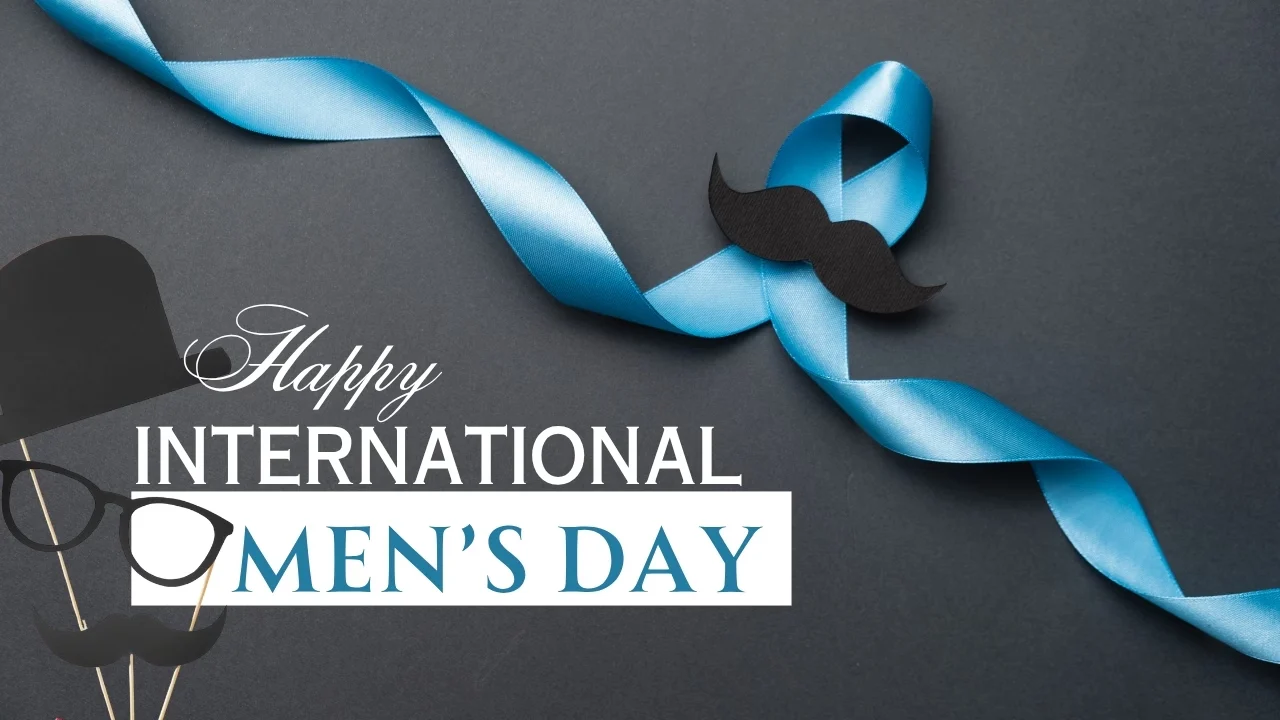
Observed on 19 November, International Men’s Day brings attention to men’s health, well-being, positive role models, and evolving social expectations across India and around the world. While light-hearted tropes about everyday habits draw widespread laughs, the observance underscores a serious shift as more men question rigid stereotypes around silent strength, financial status, and emotional restraint.
Why International Men’s Day Matters Beyond Everyday Humor
Light-hearted observations about men—from overconfident DIY fixes to struggling to spot food sitting right in front of them in the refrigerator—give humor a familiar stage. Those moments often reflect real patterns in how men navigate daily life, friendship, and family dynamics.
Yet treating International Men’s Day solely as a day for jokes misses its core purpose. The observance is designed to highlight men’s health and well-being, recognize constructive role models, celebrate contributions to society and family life, and encourage healthier relationships.
“International Men’s Day is not just an occasion for memes about men, their habits and their occasional inability to locate things in the refrigerator. Observed on 19 November, the day also highlights men’s health and well-being, celebrates positive male role models, recognises men’s contributions to society and encourages healthier relationships.”
The Many Roles Indian Men Play Every Day
Daily life often requires men to shift between distinct roles depending on the setting. At work, a professional might steer discussions with quick phrasing or analyze market trends over breakfast, only to hesitate when asked to pick a restaurant for dinner.
With friends, bonds frequently run on shorthand, humor, and loyalty rather than long speeches. A brief check-in, a shared meme, a cricket debate, or a straightforward offer to show up can carry deep meaning without formal fanfare.
At home and in relationships, care often appears in practical gestures:
- Checking that someone reached home safely or ate dinner
- Refueling a vehicle or handling errands without being asked
- Showing up quietly for family members and friends during tough moments
- Learning to listen and communicate more openly over time
Confidence can occasionally tip into overconfidence—whether debating a lineup, insisting on a shortcut, or attempting a home repair before checking the manual. Acknowledging those quirks keeps the conversation grounded without reducing men to a single caricature.
Changing Expectations Around Strength and Care
For generations, many men have grown up under heavy pressure to equate self-worth with income, career milestones, and never appearing vulnerable. That expectation can leave little room to admit stress, ask for help, or say “I don’t know.”
Across urban and semi-urban India, that script is gradually changing. More men are talking openly about mental health, taking on caregiving and parenting duties, cooking at home, and choosing career paths that fit their values rather than inherited formulas.
“The man who cooks dinner, takes parental leave, goes to therapy, talks about his insecurities or chooses a less conventional career isn’t breaking some sacred rule. He’s simply living life on his own terms.”
Public health organizations such as the World Health Organization and India’s Ministry of Health and Family Welfare emphasize that mental well-being and timely support matter for everyone. Normalizing emotional honesty helps men build stronger partnerships, healthier families, and more sustainable lives.
What Happens Next for Families, Workplaces, and Culture
As workplace norms and family structures continue to adapt, expectations around men’s roles will likely keep evolving. Organizations that support balanced work-life habits and health awareness stand to benefit from stronger engagement and healthier teams.
In families and friendships, progress depends on everyday habits rather than grand declarations. Giving men space to be imperfect, express worry or sadness, and grow at their own pace makes relationships more resilient.
Retirement of the myth that a man must always have every answer does not diminish strength. Instead, it makes room for accountability, empathy, and genuine connection one day at a time.
Frequently Asked Questions
When is International Men’s Day observed each year?
International Men’s Day is observed annually on 19 November. The day focuses on men’s health and well-being, positive role models, societal contributions, and healthier relationships.
Why do conversations around masculinity in India emphasize emotional expression?
Traditional norms have often pressured men to stay silent and self-reliant, making it harder to talk about stress, mental health, or vulnerability. Encouraging open communication supports healthier relationships and overall well-being.
How do men often show care when they struggle with emotional speeches?
Many men express care through practical actions, such as checking in on travel safety, helping with errands, sharing humor, or showing up reliably when someone needs support. Pairing practical actions with direct communication helps prevent misunderstandings.
How are caregiving and family roles changing for modern Indian men?
A growing number of men are participating more actively in parenting, household management, and caregiving rather than treating those duties as strictly gendered. Shared responsibilities often ease pressure on partners and strengthen family bonds.
What role do workplaces play in supporting men’s well-being?
Workplaces can support well-being by promoting healthy boundaries, encouraging open conversations around stress and mental health, and respecting balanced family commitments. Culture shifts gain traction when leadership models healthy habits consistently.
Conclusion
International Men’s Day on 19 November serves as a timely reminder to look past narrow stereotypes and pay attention to how men actually live, love, and cope. Humor captures familiar daily habits, while serious attention to mental health, shared care, and emotional honesty addresses real pressures.
Over the coming years, the biggest shifts will happen in ordinary moments—at the dinner table, in friendships, in parenting, and in how men treat themselves when things go wrong. Moving away from rigid expectations of perfection toward growth, accountability, and basic decency offers a healthier path forward for men and the people around them.

Manish Kumar began his professional journey in digital marketing and performance marketing, and currently works as a Digital Marketing Excutive and SEO expert. With over 3 years of professional experience, he handles both strategy and execution. Currently, he manages digital marketing and performance marketing at ‘Shabd Sanchi’ (shabdsanchi.com).