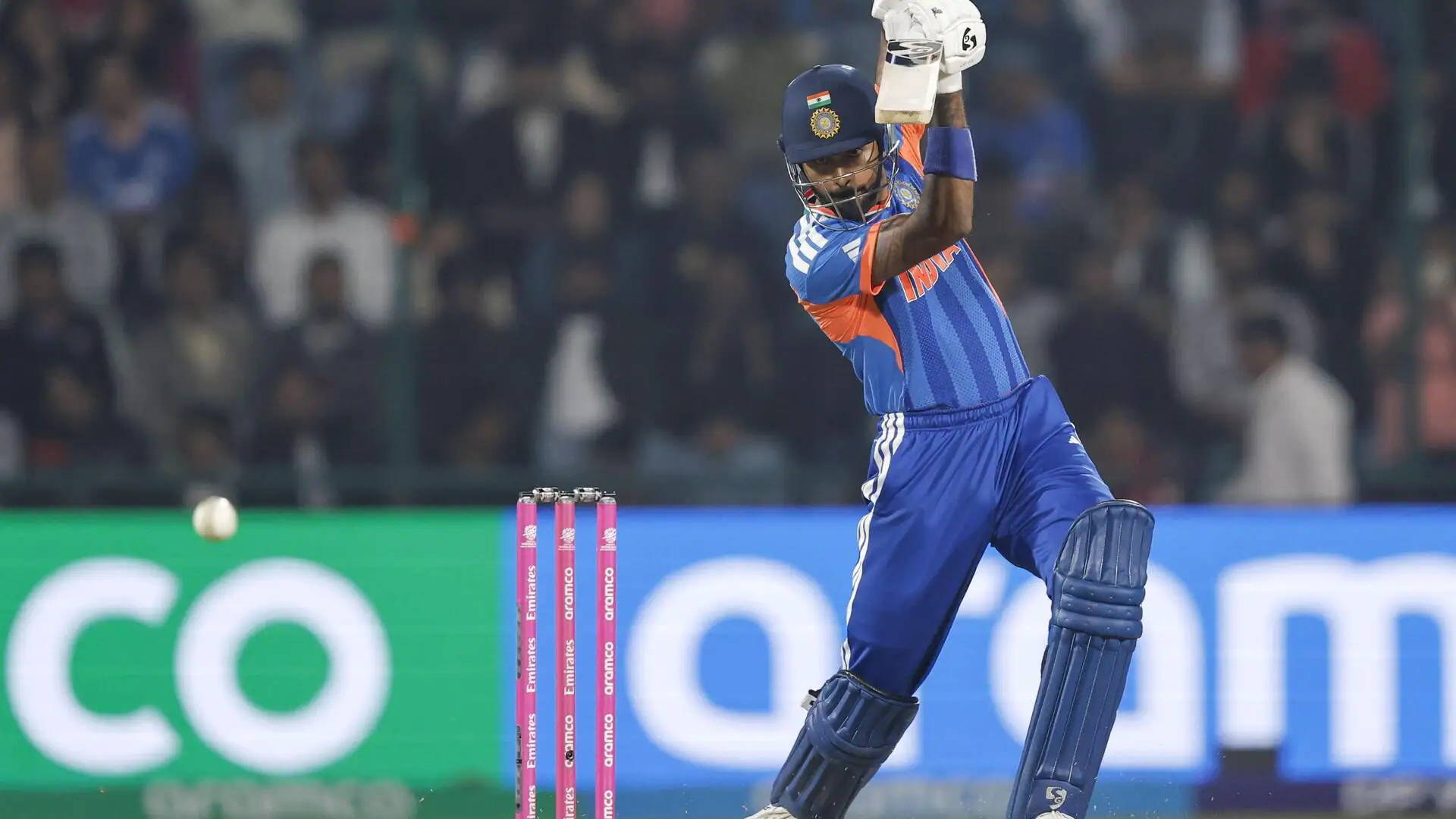
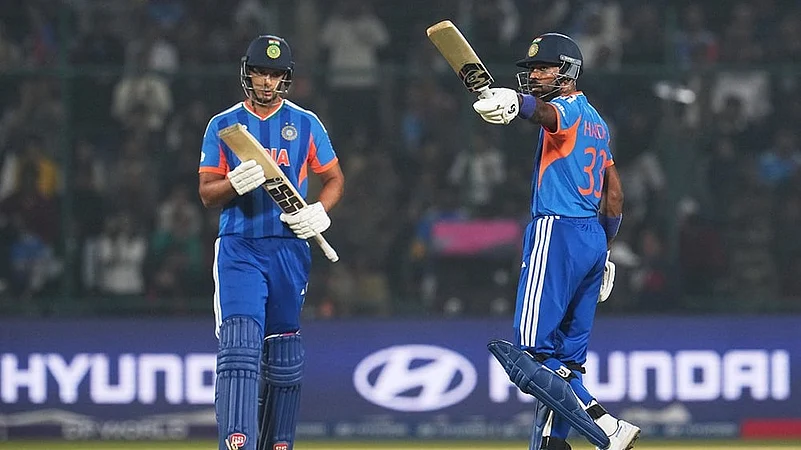
India’s vice-captain Hardik Pandya seeks flatter wickets in the ongoing T20 World Cup despite the team securing a record-breaking victory against Namibia in Delhi. While India posted a massive 209-run total, the all-rounder highlighted the difficulties of playing on surfaces that offer significant assistance to bowlers, forcing the Men in Blue to curb their natural aggressive style.
India’s campaign in the T20 World Cup has been clinical so far, with two comprehensive wins in as many matches. However, the nature of the pitches has emerged as a primary talking point within the dressing room. Following the clinical dismantling of Namibia, Hardik Pandya admitted that the surfaces encountered so far have been far from the “belters” typically associated with high-scoring T20 cricket.
Receiving his Player-of-the-Match award, Pandya was candid about the tactical adjustments required. He noted that the team has had to move away from the high-tempo approach they have perfected over the last year. “Two back-to-back pitches haven’t been batting-friendly,” Pandya remarked. He explained that the wicket in Delhi was “holding a bit,” making it difficult for batsmen to time the ball from the onset of their innings.
Tactical Adaptation Over Raw Power
The Indian middle-order powerhouse emphasized that while the team is winning, the conditions are demanding a more cautious approach. According to Pandya, the current strategy revolves around reading the surface quickly and letting individual skill-sets take over rather than relying on pre-meditated power hitting. “You just adapt and let your skill-set work,” he added, before making his preference clear for more consistent, flatter tracks as the tournament progresses.
Interestingly, India still managed to post 209 against Namibia, marking their largest margin of victory by runs in T20 World Cup history. This paradox—scoring over 200 on a “difficult” pitch—underscores the sheer depth of the Indian batting lineup, even when they feel they are playing below their optimum tempo.
Ishan Kishan on the Death Over Struggle
Opener Ishan Kishan, who looked in sublime touch during the powerplay, echoed Pandya’s sentiments. While the southpaw made batting look effortless during his stay at the crease, he confessed during the post-match press conference that the conditions were deceptive. Kishan noted that the ball wasn’t coming onto the bat as expected, which became evident during the latter half of the Indian innings.
India’s scoring rate saw a noticeable dip after a blistering start. After racing to 120 runs in the first ten overs, the team added only 89 in the final ten. The innings concluded with a minor collapse, where India lost five wickets for just four runs in the closing stages.
Why Hardik Pandya Seeks Flatter Wickets for the Next Round
The demand for flatter surfaces isn’t just about scoring more runs; it is about predictability and intent. In modern T20 cricket, top-tier teams like India build their strategies around “par scores” that exceed 200. On two-paced tracks, calculating a safe total becomes a gamble. By asking for flatter wickets, Pandya is signaling that India wants to unleash their full offensive potential without the fear of the pitch playing tricks.
Credit to Namibia’s Death Bowling
Despite the pitch conditions, Ishan Kishan was quick to offer credit where it was due. He praised the Namibian bowling attack for their disciplined performance in the death overs. The associate nation’s bowlers managed to stifle the Indian power-hitters with a barrage of well-aimed yorkers and deceptive slower deliveries.
“I think we need to also give credit to Namibia bowlers because they were bang on with their yorkers,” Kishan said. He viewed the struggle in the final overs as a vital learning experience. He suggested that if other teams employ similar tactics on slow tracks, the Indian batters might need to use the crease more effectively or find unconventional ways to “irritate” the bowlers and disrupt their rhythm.
To learn more, follow Shabdsanchi’s social media pages today and stay updated.
- Facebook: shabdsanchi
- Instagram: shabdsanchiofficial
- YouTube: @shabd_sanchi
- Twitter: shabdsanchi