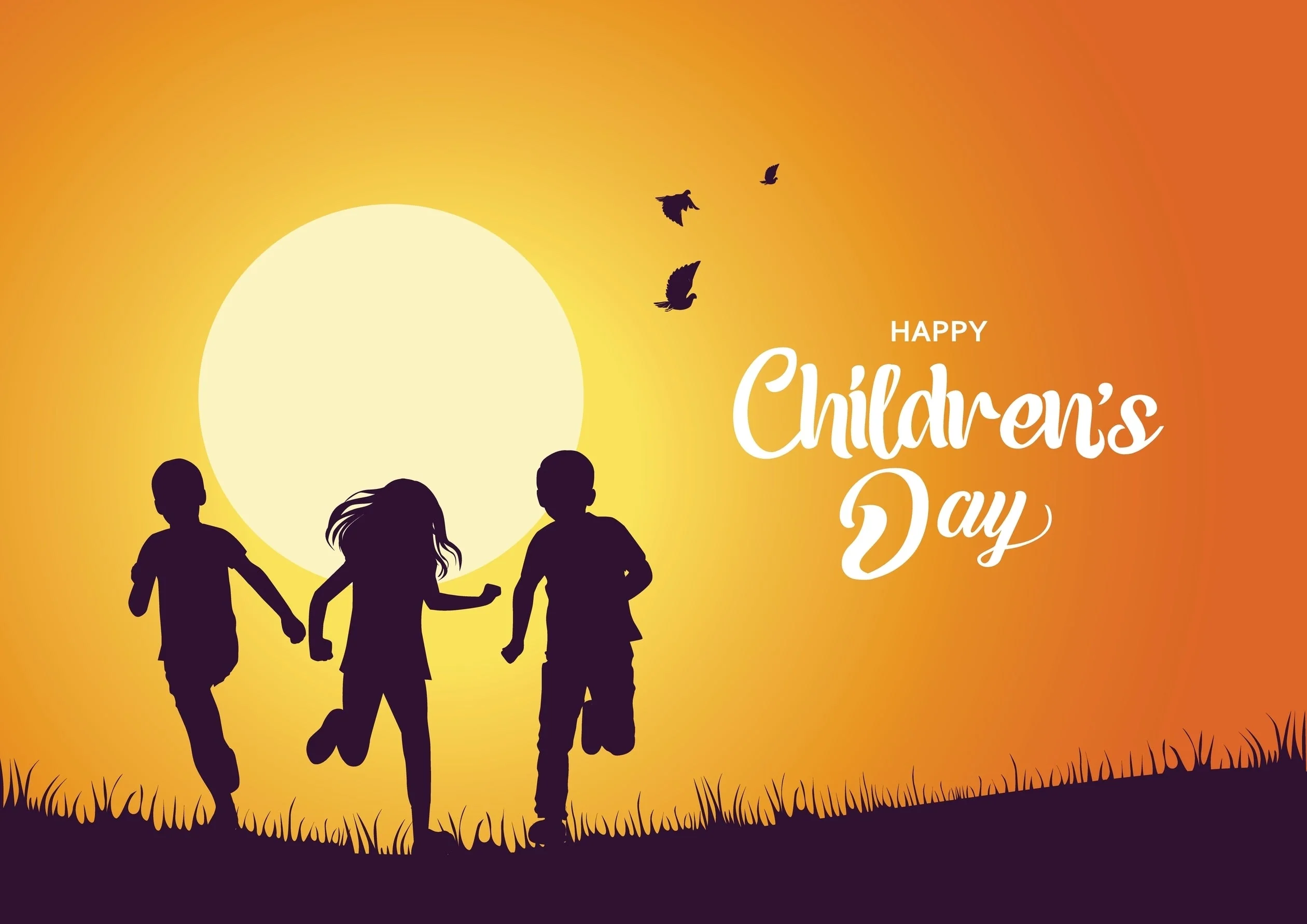
India celebrates Children’s Day on November 14 every year to commemorate the birth anniversary of the nation’s first prime minister, Jawaharlal Nehru. While the United Nations observes World Children’s Day globally on November 20, India maintains its unique historical date, a tradition formalised by a parliamentary resolution following Nehru’s passing in 1964.
The Historical Shift: From Global Date to National Tribute
For the early years following independence, India aligned loosely with international observances. However, the cultural and political landscape regarding how the nation viewed youth development shifted dramatically after the death of Pandit Jawaharlal Nehru.
Fondly remembered across the country as ‘Chacha Nehru,’ the statesman held an unmatched reputation for his affection toward the younger generation. He firmly maintained that the future of a sovereign republic depends entirely on the care, nutrition, and education provided to its youth. Recognizing this profound philosophical alignment, the Indian Parliament passed a formal resolution in 1964 to designate his birthday, November 14, as the official national Children’s Day, or ‘Bal Diwas’.
“The way children are brought up in a country determines its future.” — Pandit Jawaharlal Nehru
Policy, Education, and Nehru’s Vision for the Youth
Nehru’s dedication to children was not merely sentimental; it was rooted in a rigorous structural vision for nation-building. During his tenure, laying the foundation for primary education, institutional expansion, and scientific temperament among youth became paramount.
The annual observance of Bal Diwas serves as a policy checkpoint for society. It moves beyond token celebrations to evaluate critical metrics regarding:
- Universal access to foundational education
- Childhood health and nutritional security
- Comprehensive child rights enforcement
- The creation of safe, nurturing domestic and civic environments
By anchoring these developmental goals to a national icon, the state continuously renews its pledge toward safeguarding vulnerable youth populations against systemic gaps.
Modern School Celebrations and Cultural Impact
Across the country, educational institutions transform November 14 into a vibrant showcase of student talent and community engagement. Morning assemblies feature faculty members recounting Nehru’s pioneering educational frameworks and his aspirations for independent India’s youth.
Key elements of modern Bal Diwas celebrations include:
- Cultural Programs: Students actively participate in fancy dress competitions, historical storytelling, and regional poetry recitations.
- Creative Expression: Skits, classical and modern dances, and musical performances dominate school stages.
- Physical Well-being: Schools organize structured games, athletic sports, and carnivals to encourage fitness and teamwork while offering a welcome break from rigid academic routines.
This dynamic environment fosters peer collaboration and unbridled joy, directly mirroring Nehru’s idealized vision of an unfettered, curious childhood.
Frequently Asked Questions (FAQs)
Why does India celebrate Children’s Day on November 14?
India celebrates Children’s Day on November 14 to honor the birth anniversary of independent India’s first prime minister, Jawaharlal Nehru.
When was November 14 officially declared as Children’s Day in India?
November 14 was officially established as Children’s Day following a parliamentary resolution passed after Jawaharlal Nehru’s death in 1964.
Why is Children’s Day not celebrated on November 20 in India?
While November 20 is recognized globally by the United Nations as World Children’s Day, India chose its own historical date to commemorate Chacha Nehru’s immense contributions to youth education and welfare.
What is Children’s Day called locally in India?
Children’s Day is widely known as ‘Bal Diwas’ across the country.
What are the primary objectives of observing Bal Diwas?
The day aims to promote children’s rights, health, education, overall development, and the necessity of providing a safe, nurturing environment.
Conclusion and Future Implications
The observance of Children’s Day on November 14 remains far more than a routine school holiday; it acts as an enduring cultural touchstone for India’s socio-educational priorities. As contemporary India navigates modern digital transformations and evolving educational demands, revisiting Nehru’s foundational philosophy ensures that child welfare, equitable education, and institutional safety remain central to national policy development.

Manish Kumar began his professional journey in digital marketing and performance marketing, and currently works as a Digital Marketing Excutive and SEO expert. With over 3 years of professional experience, he handles both strategy and execution. Currently, he manages digital marketing and performance marketing at ‘Shabd Sanchi’ (shabdsanchi.com).