

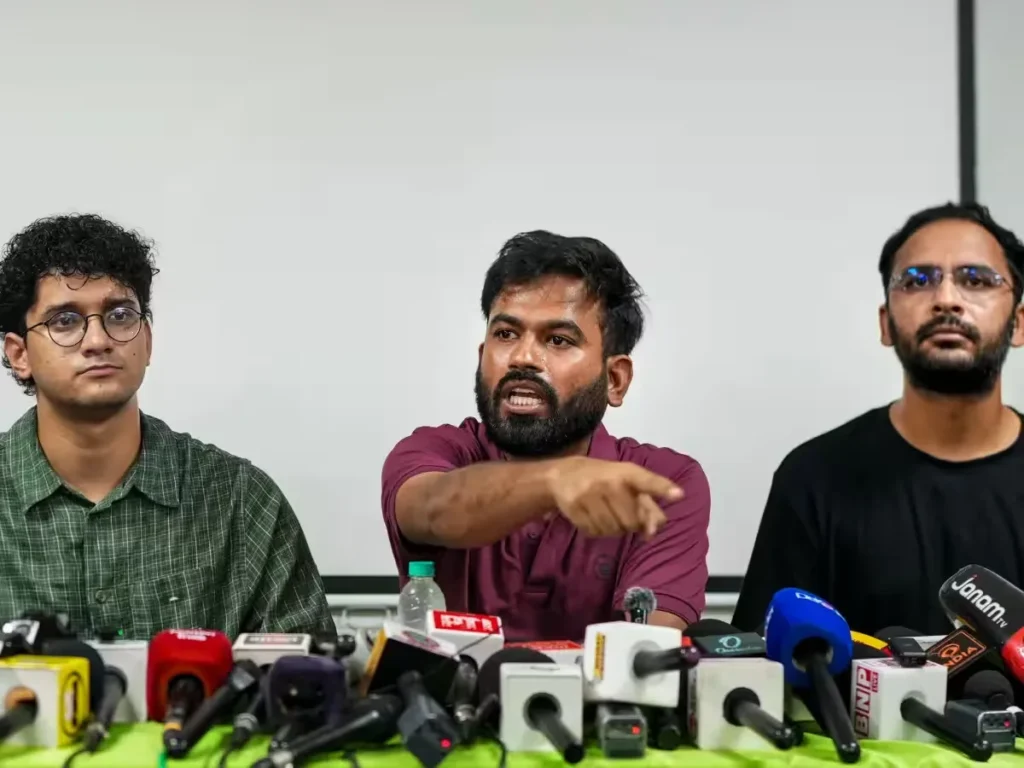
NEW DELHI — Cockroach Janata Party (CJP) chief spokesperson Saurav Das claimed on October 5, 2026, that the government is planning to arrest him alongside several senior party leaders, including Abhijeet Dipke, Ashutosh Ranka, and Ratna Singh, prompting an immediate call for nationwide mass mobilization starting October 10, 2026.
CJP Leadership Alleges Impending Government Crackdown
Speaking during an urgent press address in the national capital, Saurav Das detailed alarming intelligence regarding coordinated legal and state actions targeting the core operational committee of the party.
According to Saurav Das, administrative authorities are preparing targeted warrants against him, CJP key organizers Abhijeet Dipke, Ashutosh Ranka, and Ratna Singh.

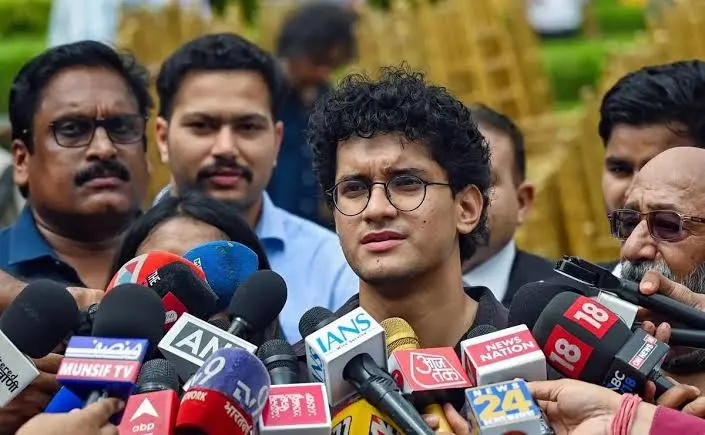
“We appeal to everyone to continue fighting for our rights and future, with or without us. We have always been ready to face jail or worse. But this will be a big mistake; the young will not tolerate this,” stated Saurav Das.
The leadership emphasized that despite mounting security pressure and targeted political pushback, the party’s institutional framework will remain functional.
Call for Nation-Wide Mass Mobilization Starting October 10
In response to the anticipated state action, the Cockroach Janata Party announced a major political strategy calling on citizens and youth groups across the country to participate in the biggest public rally to date.
The mass mobilization, scheduled to begin on October 10, 2026, aims to bring thousands of demonstrators into political hubs.
Saurav Das urged citizens not to let potential leadership detentions stall their civic momentum. He stressed that the October 10 protests must proceed regardless of whether top organizers are remanded into custody.
Security Preparations and Delhi Police Deployment
The Delhi Police and central security agencies have heightened surveillance around major central zones, including Jantar Mantar and key border entry points into the capital, following previous clashes between student activists and law enforcement personnel.
Official regulatory authorities have not yet issued formal statements regarding the arrest claims made by CJP leaders. However, law enforcement officials indicated off the record that public safety protocols and strict anti-unrest measures will be enforced to prevent unauthorized blockades.
The upcoming October 10 demonstration follows weeks of intensified youth advocacy and public debates regarding student welfare, civil rights, and systemic administrative transparency across India.
Frequently Asked Questions (FAQs)
What did Cockroach Janata Party (CJP) leader Saurav Das claim?
Saurav Das claimed that the government is orchestrating targeted plans to arrest him and other prominent CJP figures, including Abhijeet Dipke, Ashutosh Ranka, and Ratna Singh, to derail their political activities.
When is the CJP protest scheduled to start in Delhi?
The Cockroach Janata Party has officially called for a massive nationwide mobilization starting on October 10, 2026, urging supporters to assemble in high numbers despite potential arrests of party leaders.
Who are the key CJP leaders facing potential arrest?
The key leaders named by Saurav Das include himself (Chief Spokesperson), alongside party leadership members Abhijeet Dipke, Ashutosh Ranka, and Ratna Singh.
How are the Delhi Police preparing for the October 10 mobilization?
The Delhi Police and law enforcement authorities are stepping up security around key protest zones like Jantar Mantar, issuing strict advisories to maintain law and order across the capital region.
Is the Cockroach Janata Party an officially registered political party?
No, the Cockroach Janata Party (CJP) is an unregistered civic and youth political movement formed largely by independent activists, student groups, and digital campaign leaders focusing on governance and systemic reform.
Analytical Conclusion & Long-Term Implications
The confrontation between the Cockroach Janata Party leadership and government authorities marks a significant escalation in India’s youth-led political movement. If the state executes arrests against figures like Saurav Das and Abhijeet Dipke, it risks catalyzing wider public backlash and accelerating participation in the October 10 mobilization. Conversely, strict law enforcement measures could restrict physical gatherings in central Delhi, pushing the movement toward broader digital campaigns and decentralized regional protests across the country. The events following October 10 will serve as a crucial test of how civic movements navigate administrative pushback in modern Indian politics.