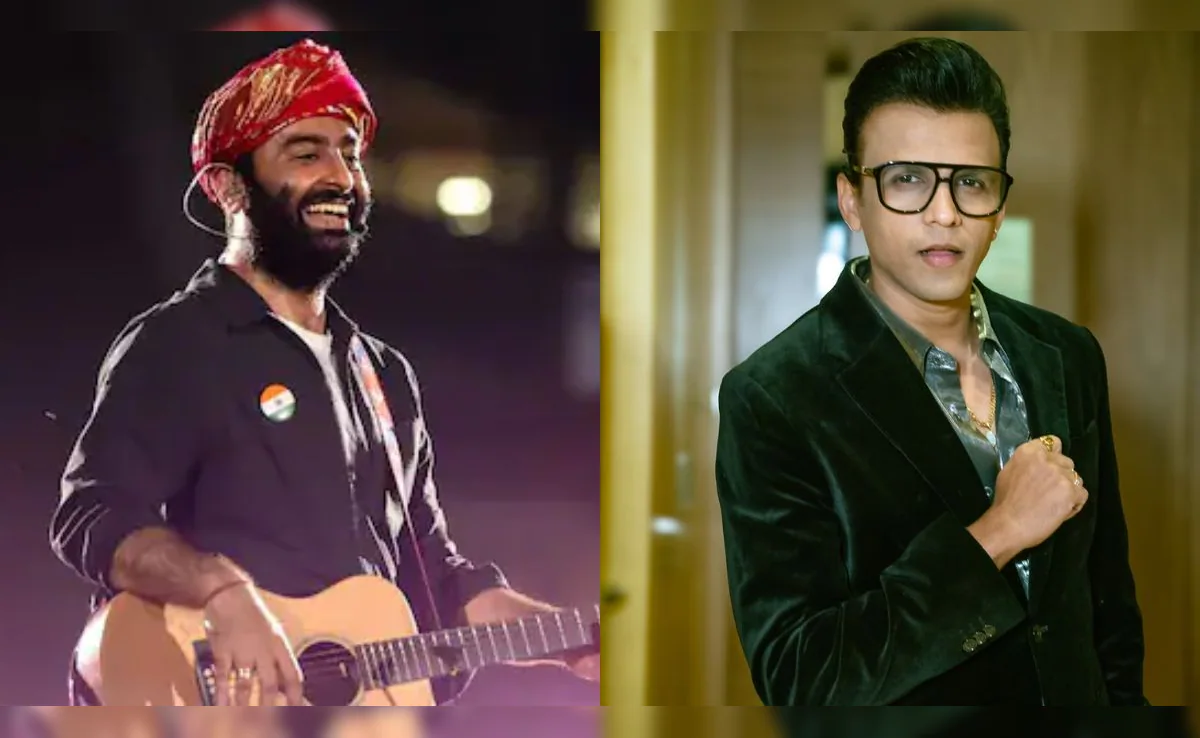
The Indian music industry is reeling from the sudden announcement by Arijit Singh regarding his retirement from playback singing. While fans struggle to process the loss of his soulful voice in cinema, the move has reignited a fierce debate over the financial treatment of vocalists. Indian Idol winner Abhijeet Sawant recently weighed in, suggesting that Arijit Singh’s playback retirement reflects a deeper systemic issue where singers are often exploited and denied long-term financial security.
The Shocking Announcement by Arijit Singh
On January 27, Arijit Singh took to social media to share a heartfelt note that left the film industry and millions of fans in disbelief. Entering 2026 with a life-altering decision, the singer expressed gratitude for the love he received over the years. However, he explicitly stated that he would no longer accept new assignments as a playback vocalist.
Singh’s departure marks the end of an era. For over a decade, his voice has been synonymous with Bollywood’s biggest hits. His decision to walk away at the peak of his career suggests a shift in priorities, perhaps moving toward independent music or live performances where artists retain more creative and financial control.
Abhijeet Sawant Exposes Industry Vulnerabilities
Shortly after the news broke, Abhijeet Sawant appeared on a popular digital platform to discuss the harsh realities of being a singer in India. Sawant did not hold back, pointing out that the industry is designed to keep singers from becoming “bigger than the film.” According to him, the remuneration structure is fundamentally flawed, favoring production houses and labels over the actual performers.
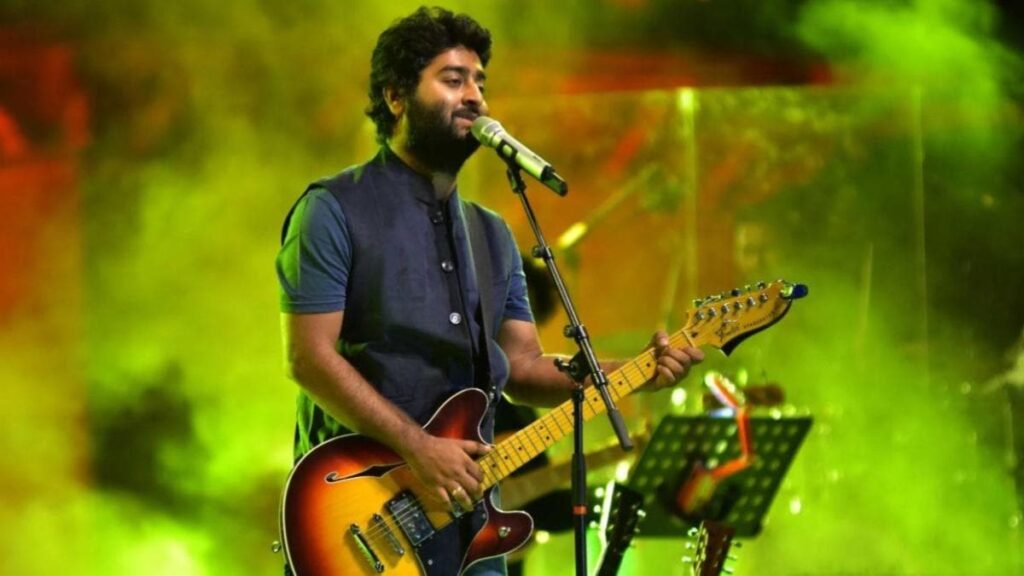
Sawant noted that while international artists live comfortably off royalties, Indian playback singers are often paid a one-time fee. He cited the example of composer Biddu, whose work in the West generates enough royalty to sustain a lifetime, contrasting this with the hand-to-mouth existence of many Indian artists.
The Royalty Gap in Indian Music
The core of the “exploitation” Sawant mentions lies in the absence of a robust royalty system. In most global music markets, singers receive a percentage of the revenue every time a song is played, streamed, or broadcast. In India, most film contracts require singers to sign away these rights.
This lack of passive income makes singers dependent on live shows and brand endorsements. When a singer of Arijit Singh’s stature chooses to quit, it signals that even the most successful individuals may find the playback model unrewarding or restrictive in the long run.
Why Singers Accept Low Pay
Sawant also touched upon the psychological aspect of this exploitation. He admitted that singers are often “greedy for opportunities.” The lure of having a top-tier Bollywood star lip-sync to their voice is a powerful motivator. This desperation creates a “supply and demand” problem.
If one singer demands fair pay, there are hundreds of others willing to do the job for free or for a nominal fee just for the exposure. Producers capitalize on this competition, knowing they can easily replace any artist who becomes “difficult” regarding financial negotiations.
The Future of Playback Singing
With Arijit Singh’s playback retirement, the industry faces a vacuum. Singh was not just a singer; he was a brand that guaranteed a song’s success. If the industry’s biggest revenue-generator feels the need to step away, it raises questions about the sustainability of the current playback model for newcomers.
Industry experts suggest that this could lead to a rise in independent music. Without the shadow of big film banners, singers can own their masters and collect royalties directly from streaming platforms. This shift might be the only way for artists to escape the exploitation Sawant described.
To learn more, follow Shabdsanchi’s social media pages today and stay updated.
- Facebook: shabdsanchi
- Instagram: shabdsanchiofficial
- YouTube: @shabd_sanchi
- Twitter: shabdsanchi