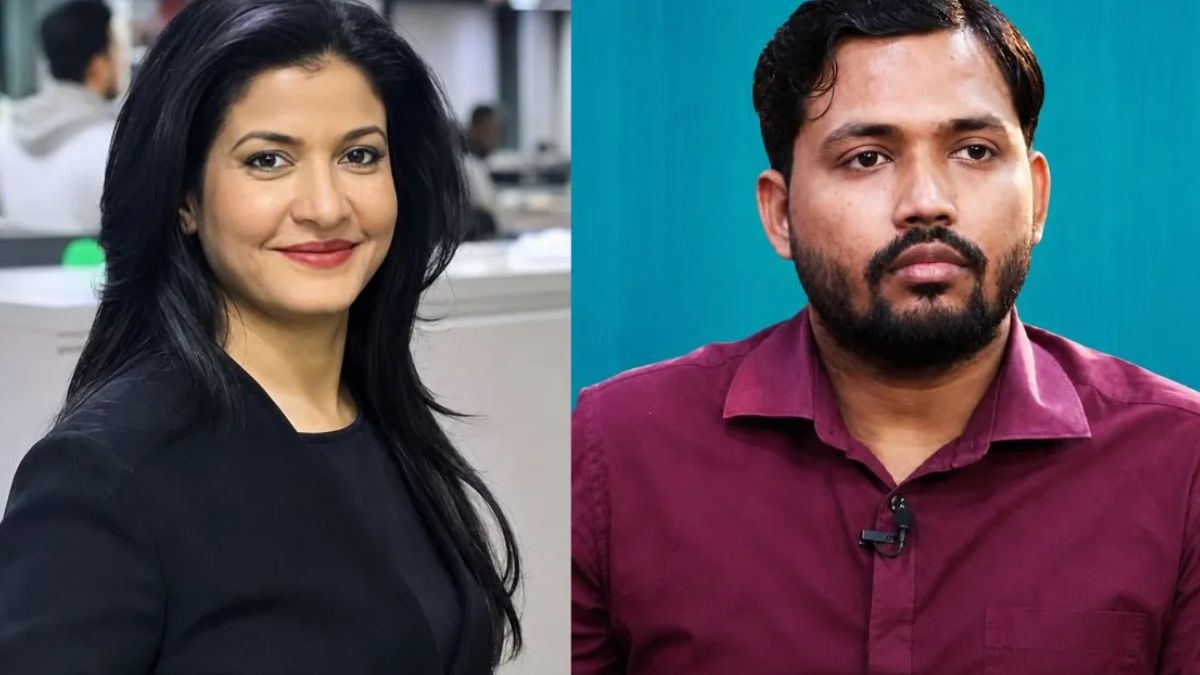
The Anjana Om Kashyap defamation case has drawn attention after the senior television journalist approached a court seeking damages of ₹2 crore. The legal action follows remarks allegedly made by educator Khan Sir and other online teaching personalities during a controversy linked to the NEET paper leak debate.
What Led to the Legal Dispute?
According to details mentioned in the petition, the dispute stems from a television debate on the NEET paper leak issue. During the discussion, Anjana Om Kashyap reportedly criticized certain online coaching educators and their role in public discourse surrounding the examination controversy.
The petition claims that the criticism was followed by responses from several YouTube-based educators, including Khan Sir. These responses allegedly included objectionable remarks directed at the journalist.
Among the statements cited in the legal complaint is the use of the term “bikau patrakar” (sold-out journalist), which the petitioner argues damaged her professional reputation and public image.
The matter has now moved from public debate to a courtroom, where the allegations and counterarguments are expected to be examined through legal proceedings.
Anjana Om Kashyap Defamation Case and the Claims Made
The lawsuit reportedly seeks compensation of ₹2 crore for alleged reputational harm. Defamation cases in India generally require the complainant to demonstrate that statements made by another party caused damage to reputation and were communicated publicly.
The petition argues that the remarks went beyond criticism and entered the territory of personal attacks. It further claims that such statements were viewed by large audiences through digital platforms, increasing their impact.
Legal experts note that courts typically evaluate several factors in defamation matters. These include the context of the statement, whether it was presented as fact or opinion, the intent behind it, and the extent of publication.
The court will determine whether the remarks qualify as defamatory under applicable laws and whether compensation is warranted.
Public Debate Around Media and Online Influencers
The controversy has also reignited discussions about the relationship between mainstream media and digital content creators.
Over the past few years, online educators and social media influencers have gained significant public reach. Many now comment on social, political, and educational issues beyond their primary fields of expertise.
At the same time, television journalists continue to play a major role in shaping public discussions. Differences between these groups often become visible during high-profile controversies, especially when debates attract millions of viewers online.
The current dispute reflects broader tensions between traditional media institutions and independent digital personalities.
Why the Case Has Attracted Attention?
The case has generated widespread interest because both parties have substantial public visibility.
Anjana Om Kashyap is among the country’s most recognizable television news anchors, while Khan Sir has built a large following through educational content and online teaching initiatives.
The involvement of prominent public figures has amplified discussion across social media platforms. Supporters of both sides have expressed views regarding media accountability, freedom of expression, and responsible public communication.
However, legal observers caution that public opinion should be distinguished from judicial assessment. The court’s role will be to evaluate evidence and legal arguments rather than online sentiment.
Read Also: IND-W vs WI-W: India Women Begin T20 World Cup Preparations with Mixed Start Against West Indies
Legal Perspective on Defamation in India
Indian law provides both civil and criminal remedies in defamation matters. Civil defamation generally focuses on compensation for reputational harm, while criminal defamation can involve separate legal consequences under applicable provisions.
Courts often balance two important principles: protection of individual reputation and the right to free expression.
As a result, not every critical statement automatically qualifies as defamation. The specific wording, context, and intent behind a statement can become important factors during proceedings.
In cases involving public figures, courts may also consider the wider public interest surrounding the comments in question.
What Happens Next?
The legal process is expected to move forward through hearings and submissions from both sides. The respondents will have an opportunity to present their version of events and respond to the allegations contained in the petition.
At this stage, the filing of a lawsuit does not amount to a judicial finding. The claims made by the petitioner remain subject to examination by the court.
The outcome could influence discussions around public criticism, online commentary, and the responsibilities of influential personalities in India’s rapidly evolving digital landscape.
FAQs
Why did Anjana Om Kashyap file a defamation case?
Anjana Om Kashyap reportedly filed a ₹2 crore defamation suit alleging that remarks made by Khan Sir and certain other online educators harmed her professional reputation. The case is linked to comments made after a debate on the NEET paper leak controversy.
What is the Anjana Om Kashyap defamation case about?
The Anjana Om Kashyap defamation case centers on allegations that objectionable statements, including the term “bikau patrakar,” were used against the journalist following her criticism of some online coaching educators during a television debate.
How much compensation has been sought in the lawsuit?
According to reports, the lawsuit seeks damages of ₹2 crore for alleged reputational harm caused by the statements cited in the petition.
Is Khan Sir guilty in the case?
No. The matter is currently before the court. The allegations made in the petition have not been proven, and no judicial finding has been made against Khan Sir at this stage.
What happens next in the legal proceedings?
The court is expected to hear arguments from all parties involved. The respondents will have an opportunity to respond to the allegations, and the court will examine the evidence before reaching any conclusion.
What is defamation under Indian law?
Defamation generally refers to statements that allegedly harm a person’s reputation. Indian law provides both civil and criminal remedies, although courts assess each case based on its specific facts, context, and evidence.
For more information, follow Shabdsanchi‘s social media pages today and stay updated.
- Facebook: shabdsanchi
- Instagram: shabdsanchiofficial
- YouTube: @shabd_sanchi
- Twitter: shabdsanchi