


Six years after the historic 2020 announcement, searches for a lockdown in India have suddenly spiked again. While the country is entirely free from pandemic threats, a mix of grim memories and emerging anxieties over the ongoing US-Iran conflict has pushed this phrase back to the top of internet trends today.
The Memory of March 24: A Historic Announcement
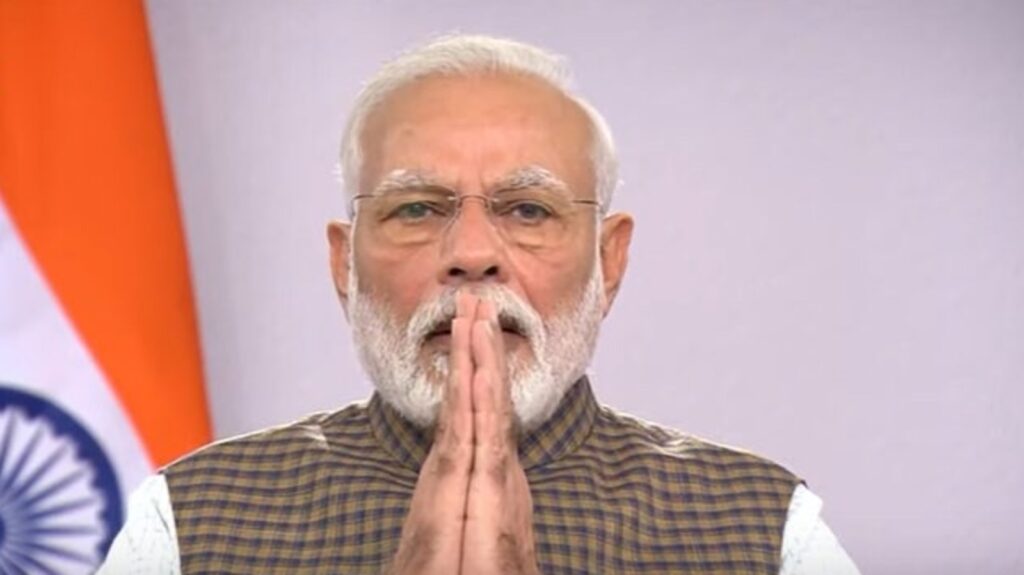
Today marks the exact anniversary of the day that changed the nation. On March 24, 2020, Prime Minister Narendra Modi announced a strict nationwide shutdown to contain the rapid spread of the novel coronavirus. The world had no blueprint for treating Covid-19 at the time.
The immediate aftermath left a lasting impact on the public consciousness. Citizens witnessed deserted highways, a massive exodus of migrant workers returning to their home states, and a sudden shift to remote work. These profound memories remain fresh for millions. Consequently, people naturally look back on this date, driving a significant portion of today’s search traffic.
Current Health Reality: No Risk of a Lockdown in India
Despite the trending searches, the medical reality in 2026 is vastly different. India successfully battled the pandemic through months of rigorous health measures and a massive nationwide vaccination drive. The country does not face any major public health threat from the SARS-CoV-2 virus today.
Medical data confirms this stability. As of early February 2026, health authorities reported only seven active infections across the entire nation. The situation is firmly under control. Therefore, citizens have no immediate cause for concern, and the government has zero reasons to consider any health-related public restrictions.
Also Read: Gold Price Today: Rates Crash by ₹1,200; Silver Plummets ₹30,000
US-Iran Conflict Triggers Fresh Global Anxieties
If health is not a concern, why are people still worried? The answer lies in current geopolitics. While the pandemic is over, the recent escalation in the Middle East has created a new wave of global anxiety. The military strikes between the US and Iran, which intensified on February 28, have disrupted crucial international supply chains.
The conflict heavily impacts the Strait of Hormuz. This critical maritime route handles nearly 20 percent of the world’s oil and natural gas supplies. Disruptions here directly threaten global energy flows and economic stability. This geopolitical tension has led some internet users to panic-search whether wartime supply chain breakdowns could lead to civil restrictions or another shutdown.
PM Modi Assures Protection from Supply Chain Shocks
The Indian government is actively monitoring the Middle Eastern crisis. Speaking in the Lok Sabha during the ongoing Budget Session, Prime Minister Modi addressed these global supply chain disruptions. Interestingly, he drew direct parallels between the logistical nightmares of the Covid-19 era and the current US-Iran conflict.

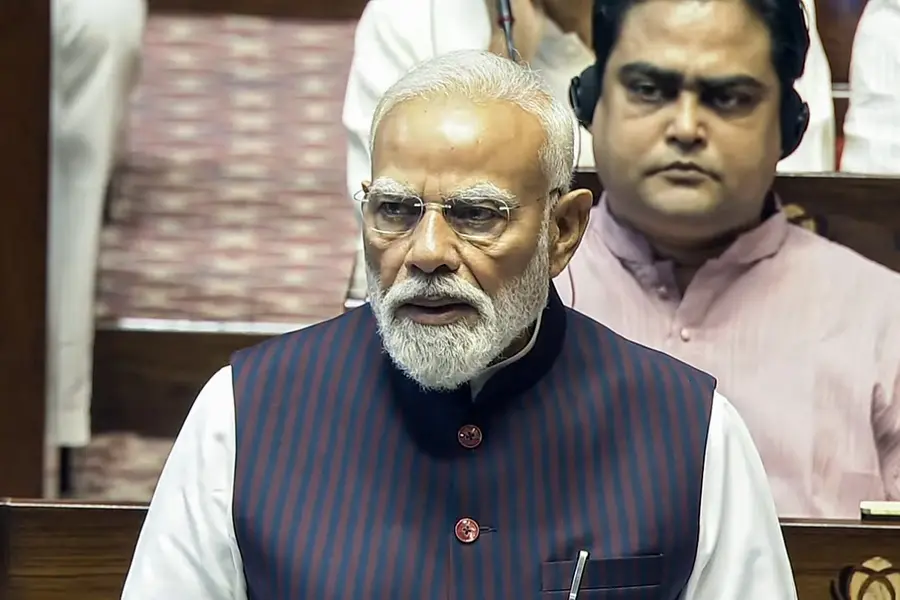
He assured lawmakers and the public that the administration is prepared. “In the past too, our government did not allow the burden of global crises to fall on the farmers,” he stated. The administration remains focused on insulating the domestic economy from international energy shocks.
Government Advisory on Energy Usage
Federal authorities have issued multiple statements clarifying the situation. They strongly emphasize that there is absolutely no need for panic regarding domestic oil and gas availability. Strategic reserves remain stable, and alternative supply routes are functioning.
Also Read: Sensex Nifty Rally Today As US-Iran Ceasefire Hopes Grow
However, officials have urged citizens to practice mindful usage of key natural resources. This pragmatic approach aims to reduce unnecessary strain on the national grid while global markets navigate the ongoing Middle Eastern instability.
To learn more, follow Shabdsanchi’s social media pages today and stay updated.
- Facebook: shabdsanchi
- Instagram: shabdsanchiofficial
- YouTube: @shabd_sanchi
- Twitter: shabdsanchi