




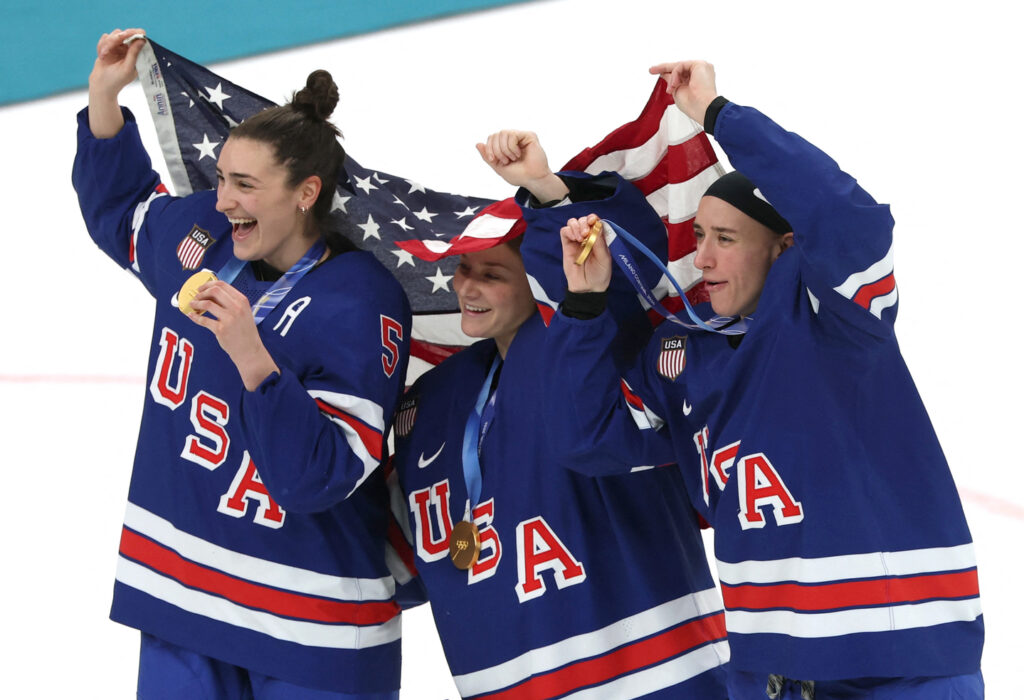
The intense rivalry between North American giants reached a fever pitch at Milan’s Santagiulia Ice Hockey Arena as US women’s ice hockey reclaimed their position at the summit of the sport. In a breathtaking final that lived up to its billing, the United States defeated defending champions Canada 2-1 in a sudden-death overtime thriller to clinch the Olympic gold medal.
A Historic Triumph in Milan
The victory marks the third Olympic title for the American women and their first since the 2018 Pyeongchang Games. After a grueling four-year journey of preparation and a dominant run through the tournament, the U.S. squad demonstrated remarkable resilience to overcome a disciplined Canadian side that pushed them to the absolute limit.
For much of the tournament, the Americans looked invincible, entering the final with a staggering 352-minute streak without conceding a single goal. That defensive wall was finally breached in the second period when Canada’s Kristin O’Neill found the back of the net, momentarily silencing the American supporters and putting the U.S. on the back foot for the first time in the competition.


The Captain’s Final Stand
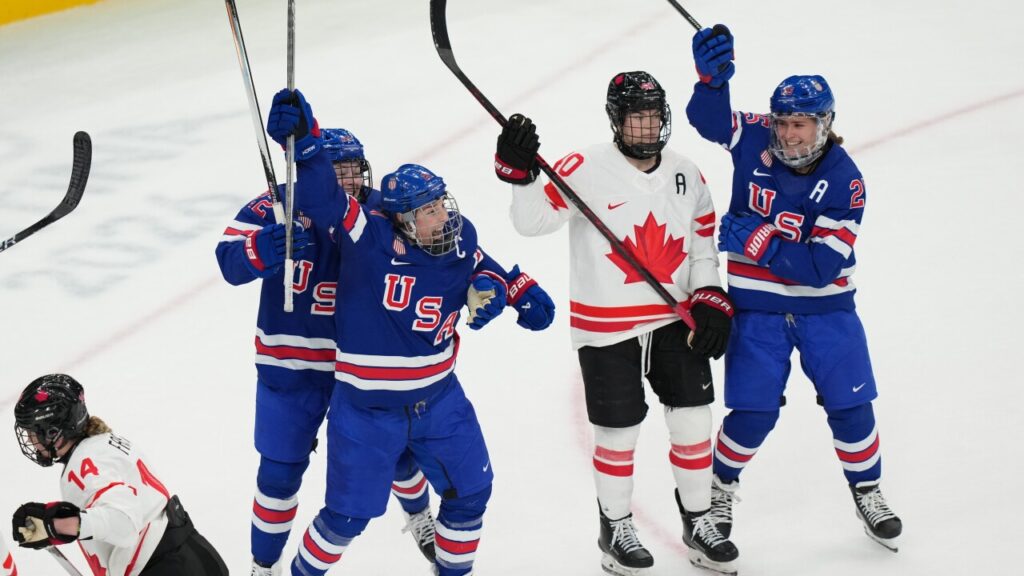
As the clock ticked down in the third period, it appeared Canada might hold on to their slender lead. However, with just over two minutes remaining, veteran captain Hilary Knight proved why she is considered one of the greatest to ever play the game. In what she had confirmed would be her final Olympic appearance, Knight scored her 15th career Olympic goal to level the proceedings.
The equalizer forced the game into a three-on-three sudden-death overtime. This marked the third time in the last four Olympic finals that these two powerhouses required extra time to decide the gold medal, underscoring the razor-thin margin between the two programs.
Megan Keller’s Golden Moment
Four minutes into the overtime period, the tension was finally broken. Defenseman Megan Keller took control of the puck, skillfully drawing her Canadian opponent out of position with a deceptive move before firing a precise shot past goaltender Ann-Renee Desbiens. The goal triggered an immediate eruption of joy, with the American bench clearing as players raced onto the ice to celebrate their hard-fought achievement.
“I’m lost for words. This is an incredible feeling,” an emotional Keller stated after the podium ceremony. She emphasized that the victory was a testament to the “effort and faith” the group maintained throughout their four-year Olympic cycle.
Analyzing the US Women’s Ice Hockey Dominance
The statistics from this Olympic campaign highlight a period of total “imperious form” for the U.S. team. Aside from the two goals conceded during the entire tournament, the Americans had previously signaled their intent with a commanding 5-0 victory over Canada in the group stages—Canada’s heaviest Olympic defeat in nearly three decades.


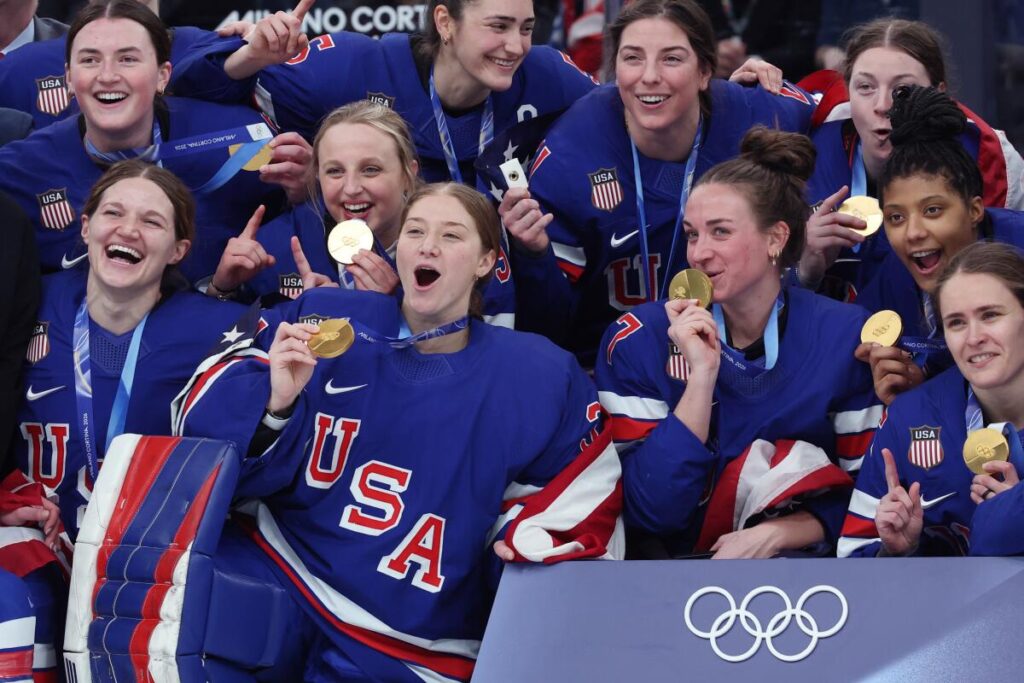
While Canada remains a powerhouse with five Olympic titles to their name, the tactical discipline and speed of the U.S. transition play proved to be the difference-maker in Milan. The rivalry remains the centerpiece of international women’s sports, with the two nations having contested every Olympic final since 1998, with the sole exception of the 2006 Turin Games.
Broader Olympic Context
The conclusion of the women’s tournament also saw Switzerland secure the bronze medal with a 2-1 victory over Sweden. Attention now shifts to the men’s competition, where the semi-finals feature a high-stakes clash between the United States and Slovakia, while Canada prepares to face Finland.
The American victory in the women’s category sets a high bar for their male counterparts, as the U.S. looks to potentially sweep the hockey gold medals for the first time in several decades.
To learn more, follow Shabdsanchi’s social media pages today and stay updated.
- Facebook: shabdsanchi
- Instagram: shabdsanchiofficial
- YouTube: @shabd_sanchi
- Twitter: shabdsanchi