




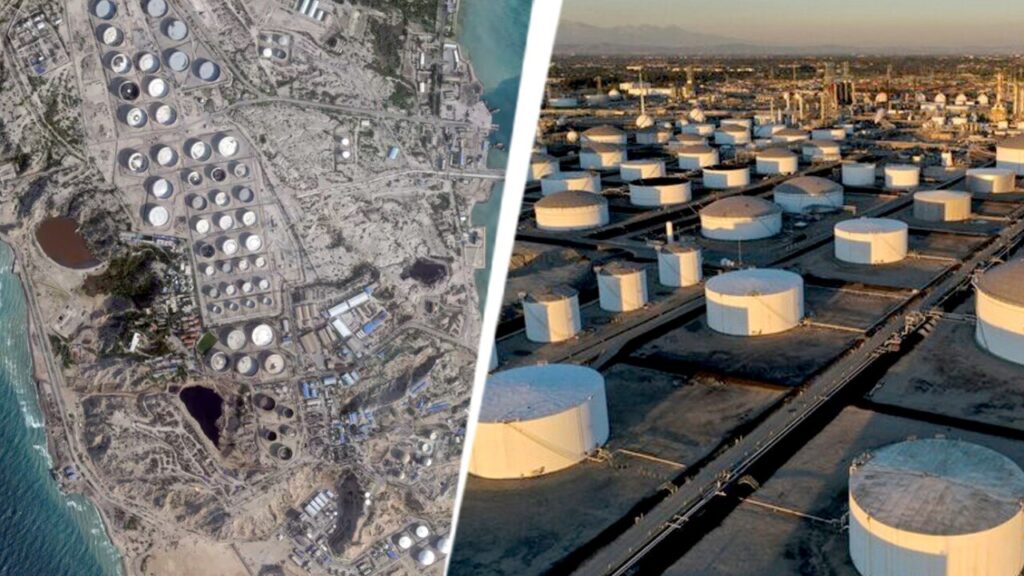
As the Middle East conflict escalates, the US strikes Kharg Island, targeting the crucial nerve center of Iranian oil exports. This rocky outpost in the Persian Gulf handles ninety percent of Tehran’s crude shipments. The sudden military action has immediately sparked fears of skyrocketing global oil prices and severe regional retaliation.
The Strategic Importance of Kharg Island
Spread over a mere 20 square kilometers, Kharg Island is an indispensable asset for the Iranian economy. Situated in the northernmost part of the Persian Gulf, roughly 28 kilometers off the mainland Bushehr province, this small limestone island plays a disproportionately massive role in global energy markets. Although President Donald Trump recently referred to it as Iran’s “crown jewel,” celebrated Iranian writer Jalal Al-e-Ahmad famously dubbed it the “orphan pearl of the Persian Gulf” many years ago.
The island’s facilities are extensive and highly specialized. They include massive storage tanks, deep-water loading terminals, and a complex network of subsea pipelines. These installations act as the vital processing hub for the nation’s energy sector. The terminal receives raw crude from three major offshore fields: Aboozar, Forouzan, and Dorood. Once extracted, the oil is transported via underwater pipelines to onshore processing facilities before being stored or shipped to international buyers.
Furthermore, major pipelines from Iran’s largest onshore oil fields—including Ahvaz, Marun, and Gachsaran—feed directly into the storage tanks located on Kharg. Overall, these facilities process and handle an astounding 95 crore barrels of crude oil every year.
Why the US Strikes Kharg Island Now
The timing and scale of this military action reflect a severe escalation in the ongoing regional conflict, which recently entered its fifteenth day. Petras Katinas, an energy researcher at the Royal United Services Institute, highlighted that this specific location is critical to funding both the Iranian government and its military operations. Without control over this export hub, the country’s economic and administrative functions would face near-total collapse.
Historically, the United States and Israel had treaded very carefully around this specific infrastructure to avoid triggering a global energy crisis. However, recent developments shifted this calculus. The Pentagon recently dispatched the Japan-based amphibious assault ship USS Tripoli to the region, accompanied by approximately 2,500 Marines, signaling a clear shift in military posturing.


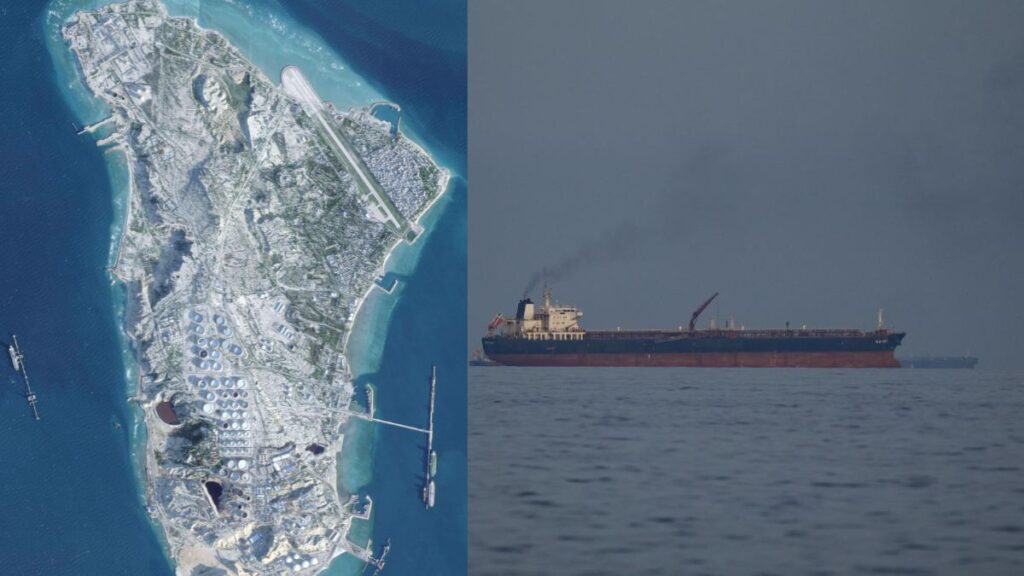
Following the offensive, Donald Trump stated that the US military had heavily bombed targets on the island while intentionally sparing the core oil infrastructure for now. He issued a stern warning on social media, indicating that if Iran or any aligned forces interfere with the free and safe passage of ships through the Strait of Hormuz, he would immediately reconsider this restraint and obliterate the oil facilities entirely.
Historical Significance: The Orphan Pearl
The development of this critical hub dates back several decades. The region underwent significant modernization during Iran’s rapid oil expansion in the 1960s and 1970s. Because much of the country’s mainland coastline is too shallow to accommodate massive supertankers, engineers transformed this deep-water island into the country’s primary export terminal.
Beyond its modern industrial significance, the island holds deep historical and cultural value. It is home to a population of native gazelles and features a rich tapestry of ancient heritage. According to archaeological records, the island houses the highly revered 7th-century Mir Mohammad Shrine. It also contains the Mir Aram Shrine, which features ancient inscriptions and torches dating back to the Achaemenid period. Visitors and historians can find Zoroastrian burial sites, Christian graves, Sassanid-era tombs, Islamic cemeteries, and the distinct remains of a 1747 Dutch fort and garden.
Threats to the Strait of Hormuz and Global Economy
The geopolitical fallout from this military strike extends far beyond the Persian Gulf. Top political leaders have delivered strong statements as Tehran continues to disrupt operations in the critical Strait of Hormuz. This narrow waterway is an essential global choke point, facilitating the passage of roughly 20 percent of the world’s total oil supply.
The disruptions have already hit the global economy with tremendous force. Energy markets reacted violently to the news, sending international oil prices skyrocketing to $100 a barrel. As the fourth-biggest crude producer within the Organization of the Petroleum Exporting Countries (OPEC), Iran has now vowed that not a single liter of oil will be exported from the Gulf while the conflict continues.
Anticipated Retaliation from Tehran
Financial and military analysts agree that this strike will not go unanswered. The immediate halt of Tehran’s crude exports places immense pressure on the Iranian leadership. Financial institutions are already modeling the potential fallout. JP Morgan recently warned investors that this event is highly likely to trigger severe retaliation, either directly within the Strait of Hormuz or against broader regional energy infrastructure.


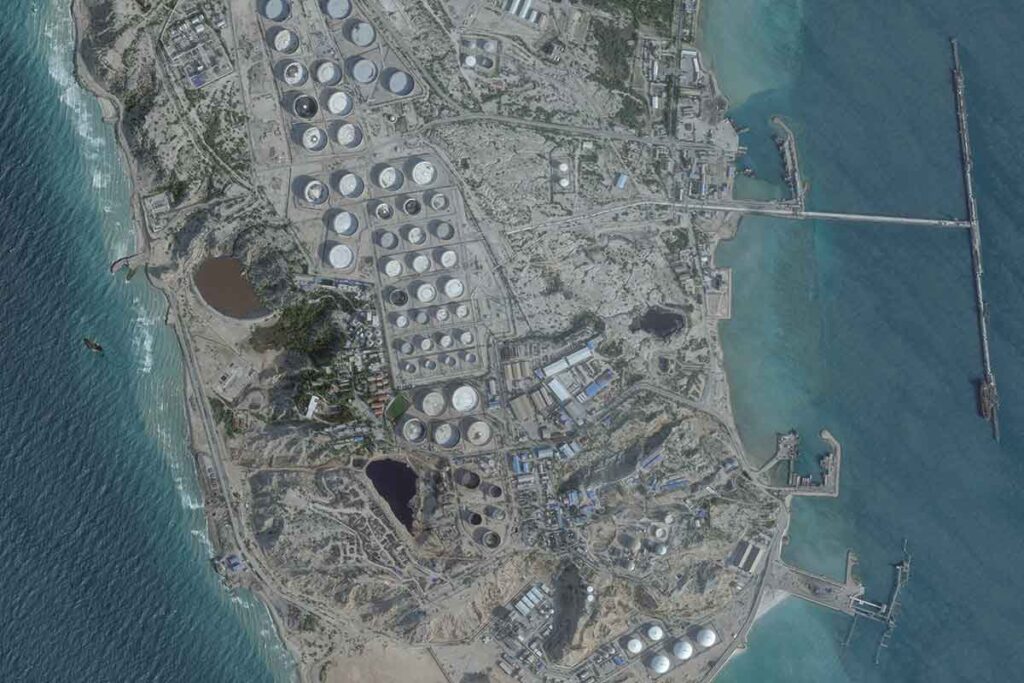
Iranian officials have echoed these warnings. Parliament Speaker Mohammad Bagher Qalibaf stated unequivocally that the nation will abandon all restraint following the attacks on their sovereign territory. He further warned that the United States would bear full responsibility for the ensuing casualties. Along with Qeshm Island and the smaller outposts of Abu Musa and the Greater and Lesser Tunb, these territories remain flashpoints that could dictate the trajectory of the entire Middle Eastern conflict.
To learn more, follow Shabdsanchi’s social media pages today and stay updated.
- Facebook: shabdsanchi
- Instagram: shabdsanchiofficial
- YouTube: @shabd_sanchi
- Twitter: shabdsanchi