




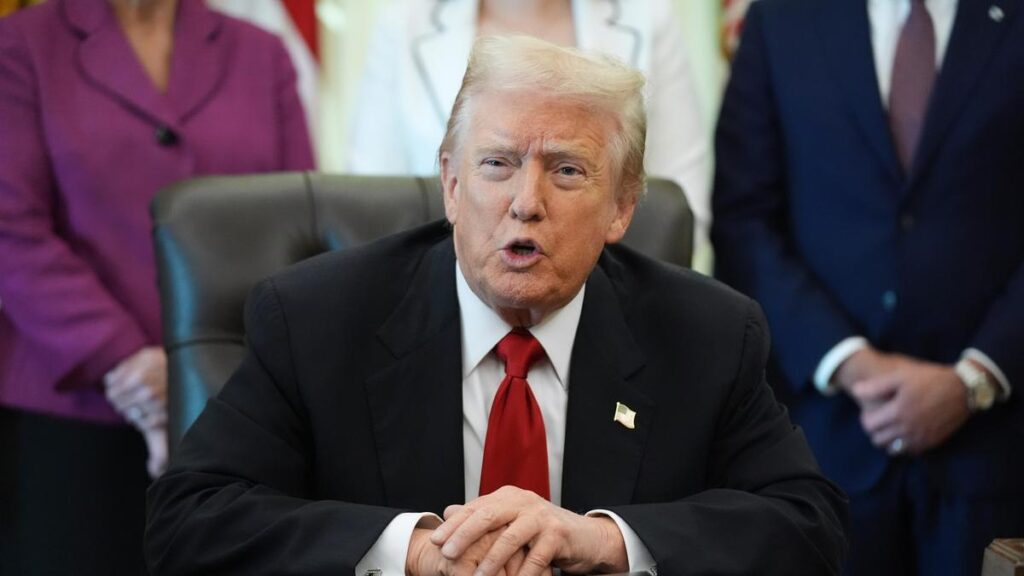
US Russia Sanctions Bill: The United States Congress recently passed the Lindsey O. Graham Sanctioning Russia and Iran Act, sending shockwaves through international markets. The bill grants discretionary power to President Donald Trump to levy tariffs of up to 100% on foreign nations purchasing oil and gas from Russia. As the second-largest buyer of Russian crude, India finds itself directly at the intersection of this sweeping legislation. In response to these fast-paced developments, India’s Ministry of External Affairs (MEA) released its first official statement. The response reflects a strong, sovereign stance prioritizing national interests while maintaining a pragmatic dialogue with Washington.
- Primary Focus : Energy Security for 1.4B People
- Strategy : Diversified Sourcing & Market Logic
- Engagement : High-Level Dialogue with US
- Protection : Support to Local Industry & Trade
Overview of the Sanctioning Russia and Iran Act
The legislation was cleared by the US House of Representatives following prior approval in the Senate. Designed to restrict Moscow’s energy revenues, the bill targets top global importers of Russian energy.
Key Provisions of the US House Bill
- Discretionary Tariffs: Gives authority to the US President to impose duties up to 100% on countries buying Russian crude or natural gas.
- Targeted Operations: Includes enforcement mechanisms aimed at logistics operators, maritime vessels, and financial networks used to trade energy.
- Executive Discretion: Gives the White House room to adjust timeline windows or offer waivers based on strategic considerations.
Official MEA Response: Core Highlights
New Delhi reacted swiftly following the legislative passage in Washington, reaffirming a consistent foreign policy framework.
| MEA Response Dimension | Strategic Standpoint |
|---|---|
| Energy Security | Non-negotiable commitment to 1.4 billion citizens |
| Sourcing Philosophy | Evolving market dynamics and diversified suppliers |
| Bilateral Communications | Clear warnings issued on international market stability |
| Economic Defense | Close coordination with trade and industry bodies |
Energy Security for 1.4 Billion Citizens First
The Ministry of External Affairs emphasized that India remains firmly committed to safeguarding the energy requirements of its 1.4 billion people. The statement noted that meeting domestic consumption needs is a fundamental national priority that cannot be compromised.
Diversified Sourcing and Market Dynamics
India made it clear that its crude oil purchases are guided strictly by commercial viability, evolving market conditions, and supply diversification. Rather than relying on a single supplier, Indian refiners evaluate global pricing dynamics to ensure cost-effective energy access.
Protecting National Economic Interests
The MEA highlighted its determination to take all necessary measures to defend national trade and economic stability. The government will work alongside domestic industrial bodies and trade groups to manage any economic side-effects resulting from US policy updates.
Strategic Impact on India-US Trade and Global Markets
The passage of this sanctions bill introduces new complexities to the broader geopolitical landscape.
Implications for Ongoing Trade Deal Negotiations
India and the US have been actively negotiating bilateral trade arrangements. New Delhi disclosed that the potential fallout of punitive tariffs was clearly communicated to US interlocutors during high-level meetings prior to the vote. Analysts suggest Washington may attempt to use tariff provisions as leverage, while India continues to push for balanced trade terms.
Global Energy Market Disruption Risks
Removing significant volumes of Russian crude from Asian refiners could trigger global supply shortages, leading to sharp spikes in global oil prices. India’s communication to Washington highlighted that restrictive measures affect not just bilateral relations, but also risk destabilizing the wider international energy market.
Frequently Asked Questions (FAQs)
Q. 1. What is the US Russia Sanctions Bill passed by Congress?
The bill, officially known as the Sanctioning Russia and Iran Act, allows the US President to levy up to 100% tariffs on nations importing Russian energy. It aims to reduce Moscow’s revenues while giving Washington discretionary leverage over major international crude oil purchasers.
Q. 2. What was the MEA’s immediate official response to the US bill?
The MEA stated it is monitoring developments, emphasizing that India’s top priority remains securing energy for its 1.4 billion citizens. India will continue procuring crude through diversified sources based on prevailing market dynamics while safeguarding its economic and trade interests.
Q. 3. How does this bill impact India-US trade relations?
The bill introduces potential tariff friction during crucial bilateral trade discussions. However, India has already warned US officials that imposing tariffs could harm bilateral ties and destabilize global energy markets, prompting ongoing diplomatic dialogue to protect mutual trade stability.
Q. 4. Will Donald Trump automatically apply 100% tariffs on India?
No, the tariffs are not automatic. The act grants discretionary authority to President Donald Trump, allowing options for waivers, negotiation periods, or partial implementations based on broader economic and foreign policy objectives.
Q. 5. Why is Russian oil vital for India’s domestic energy needs?
India imports over 88% of its crude oil requirements. Discounted Russian crude helps manage domestic inflation, stabilize fuel prices, and fulfill the massive energy consumption demands of 1.4 billion people amidst volatile global market conditions.
Conclusion
The passage of the Sanctioning Russia and Iran Act presents a delicate diplomatic challenge for India-US relations. By placing the energy security of its 1.4 billion citizens at the center of its response, the MEA has reiterated that strategic autonomy and commercial logic will continue to guide its foreign policy. As the bill awaits final executive action in Washington, proactive diplomatic engagement and domestic trade readiness will remain critical for navigating potential market shifts.